Willow Bark to Aspirin: The Tree That Gave Us the World's Most-Used Painkiller
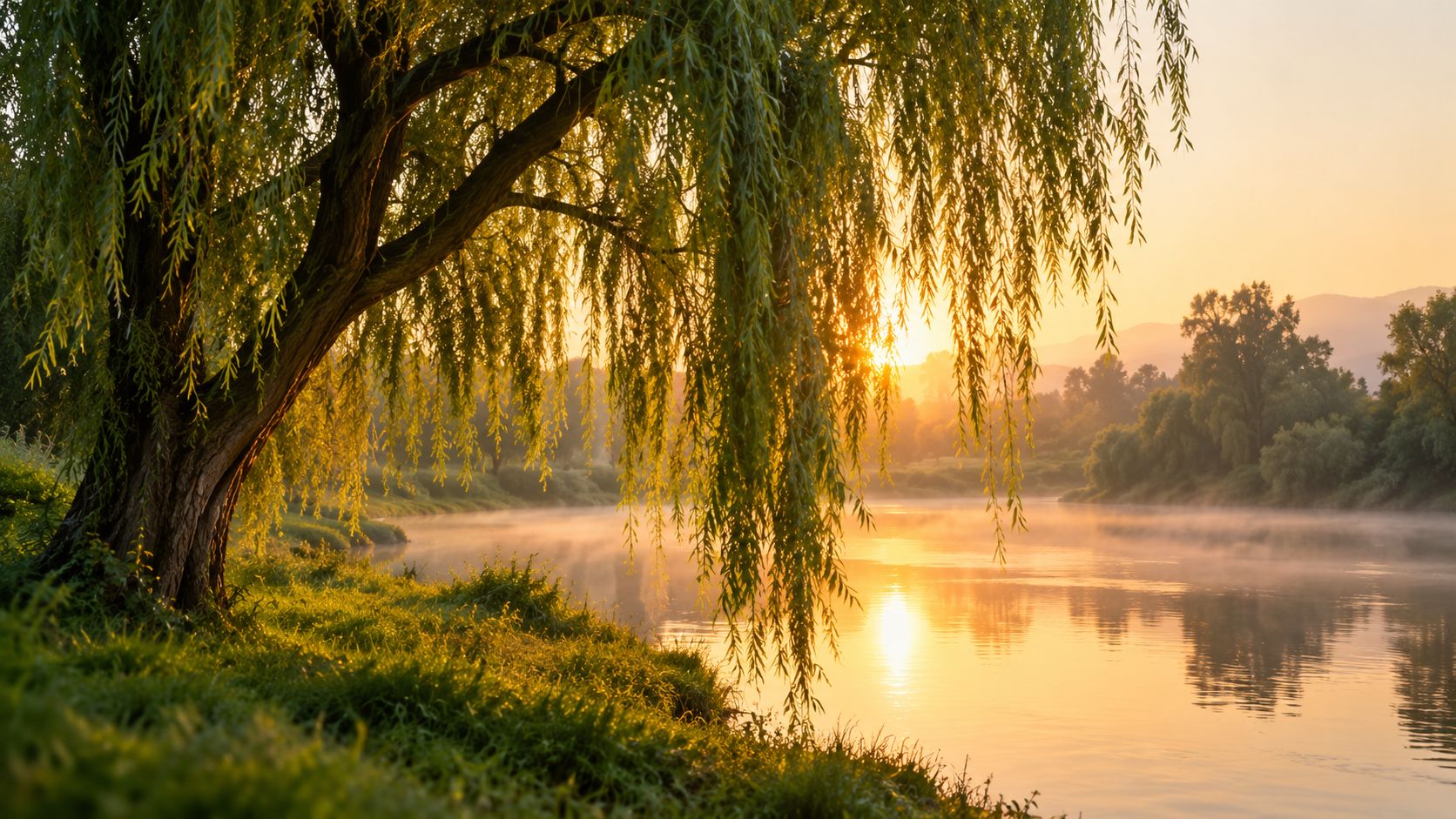
Your headache tablet started life as tree bark. For thousands of years, people chewed willow bark for pain and fever, and in 1897 a chemist turned it into aspirin.
Loading articles...
Expert plant care guides, growing tips, and nature stories to help you nurture your green journey — from seed to bloom.
Page 4 of 9 (81 articles)

Your headache tablet started life as tree bark. For thousands of years, people chewed willow bark for pain and fever, and in 1897 a chemist turned it into aspirin.

In 2001, a biotech company announced it had engineered corn to produce anti-sperm antibodies. The research vanished from public view within months. The companies that acquired it are the same companies now receiving hundreds of millions of dollars to feed Africa and South Asia. These are the documented facts. Draw your own conclusions.

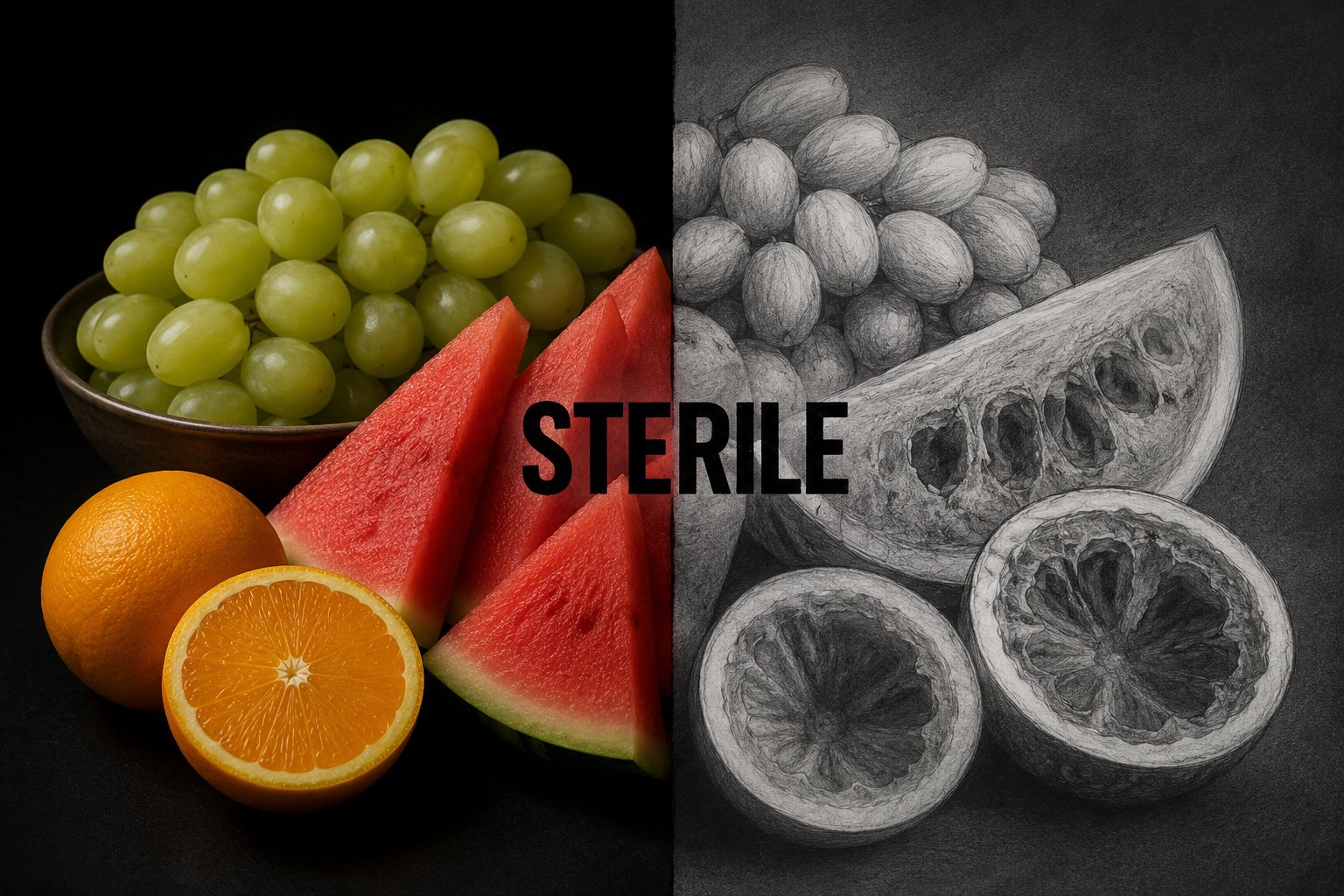
Every seedless grape you eat, every navel orange you peel, every watermelon slice without a pip — none of them can grow another plant. That is not a coincidence. It is a design. And the same logic is being applied to the entire food supply by a handful of corporations that now control most of the world's seeds.

Nine out of ten people reported high or extreme stress last year. Burnout is at a six-year high. The medical establishment has known about a free, accessible solution for decades. Most people have never heard about it.

Researchers at some of the world's leading universities have spent decades trying to understand what actually makes people feel better. The answer keeps pointing to the same thing — and it fits on a windowsill.

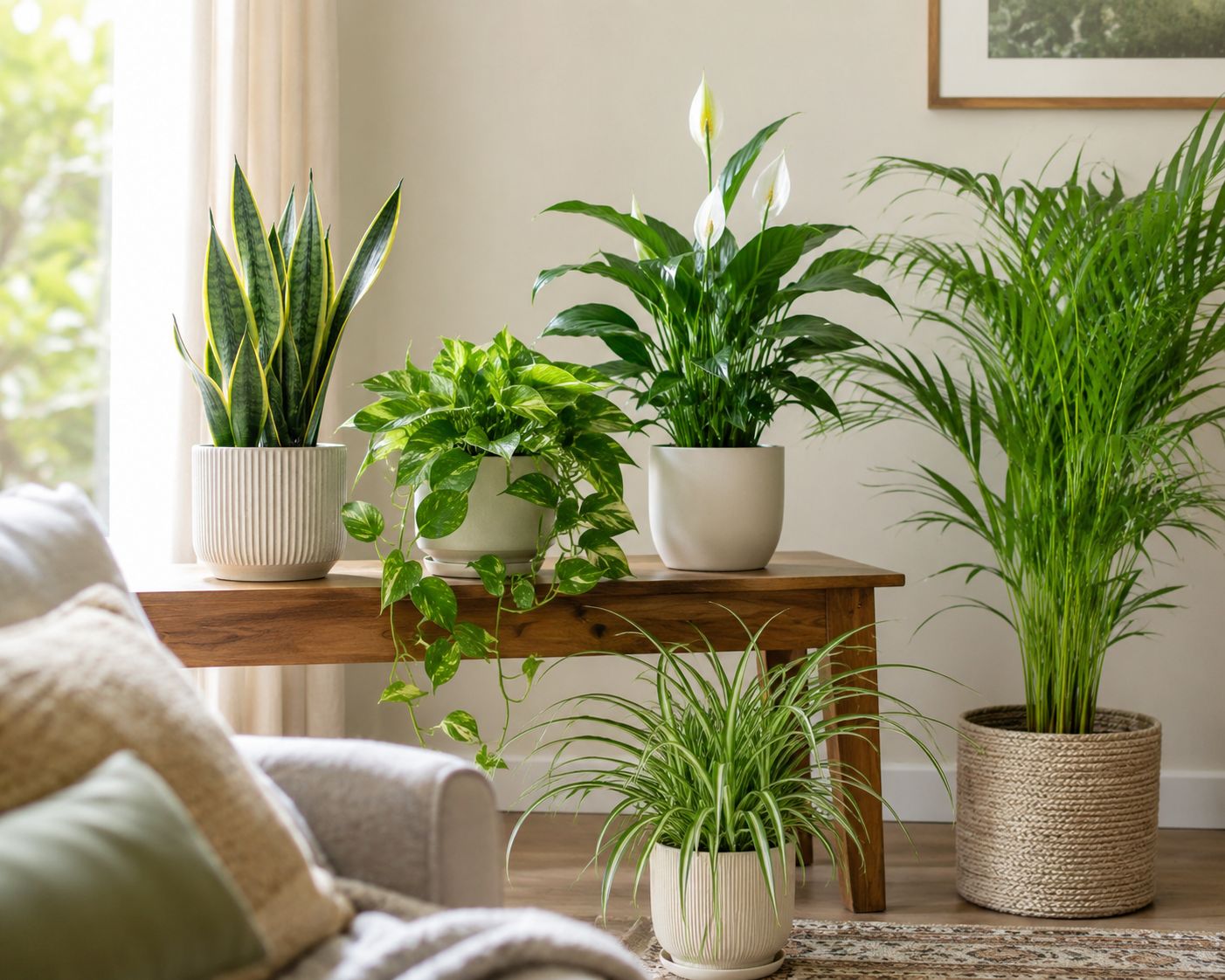
Five plants, one bundle, and a genuine reason each one is in it. This is the exact set of NASA-studied air-purifying houseplants that survive Pakistani homes, tolerate low light, and actually do something about the stale, sealed-up air most of us breathe indoors all day.

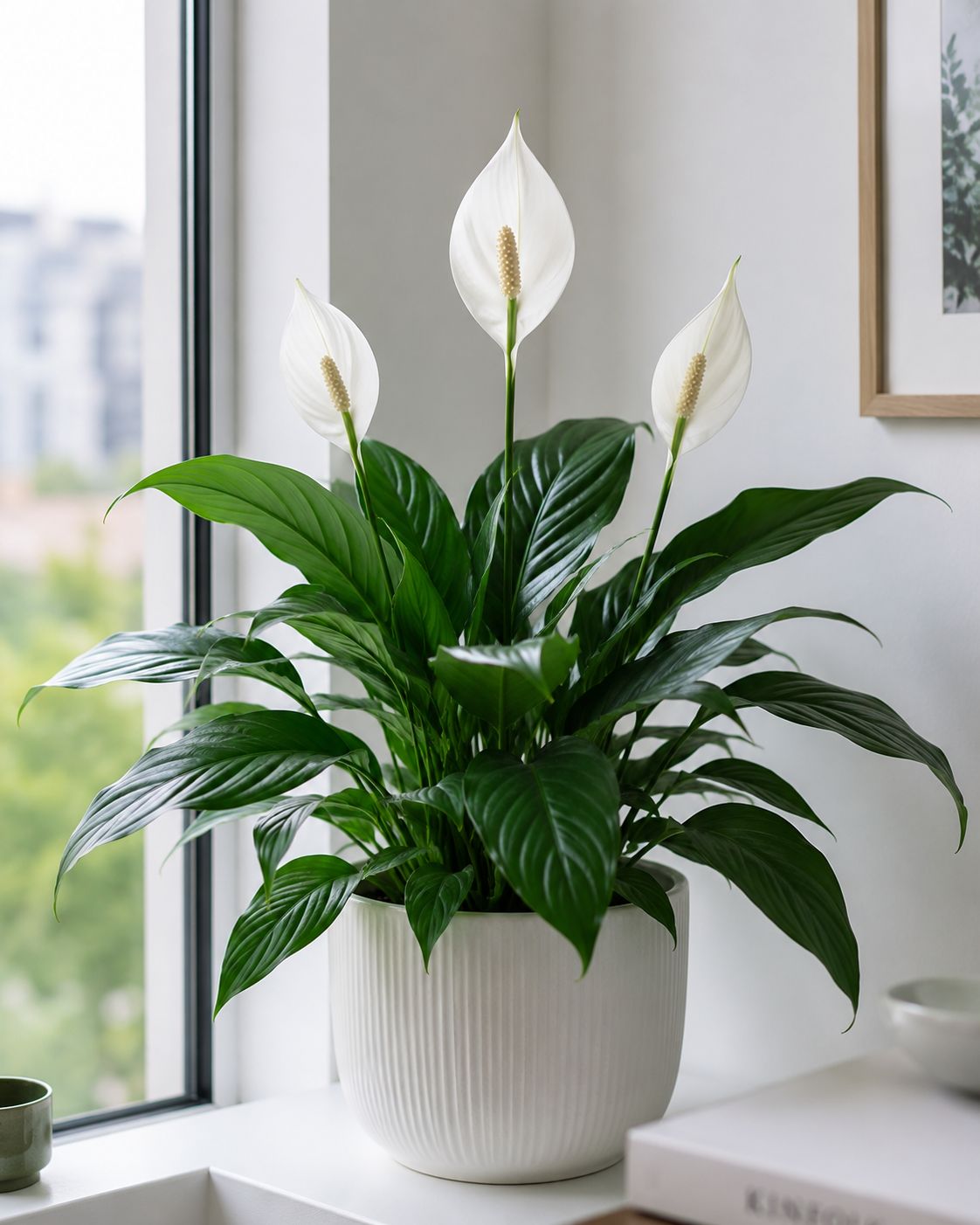
Peace lily does something almost no other flowering houseplant does — it blooms in low light, tells you when it needs water by drooping dramatically and then perking straight back up, and fills a room with elegant white flowers without asking for much in return. Here is the complete guide.

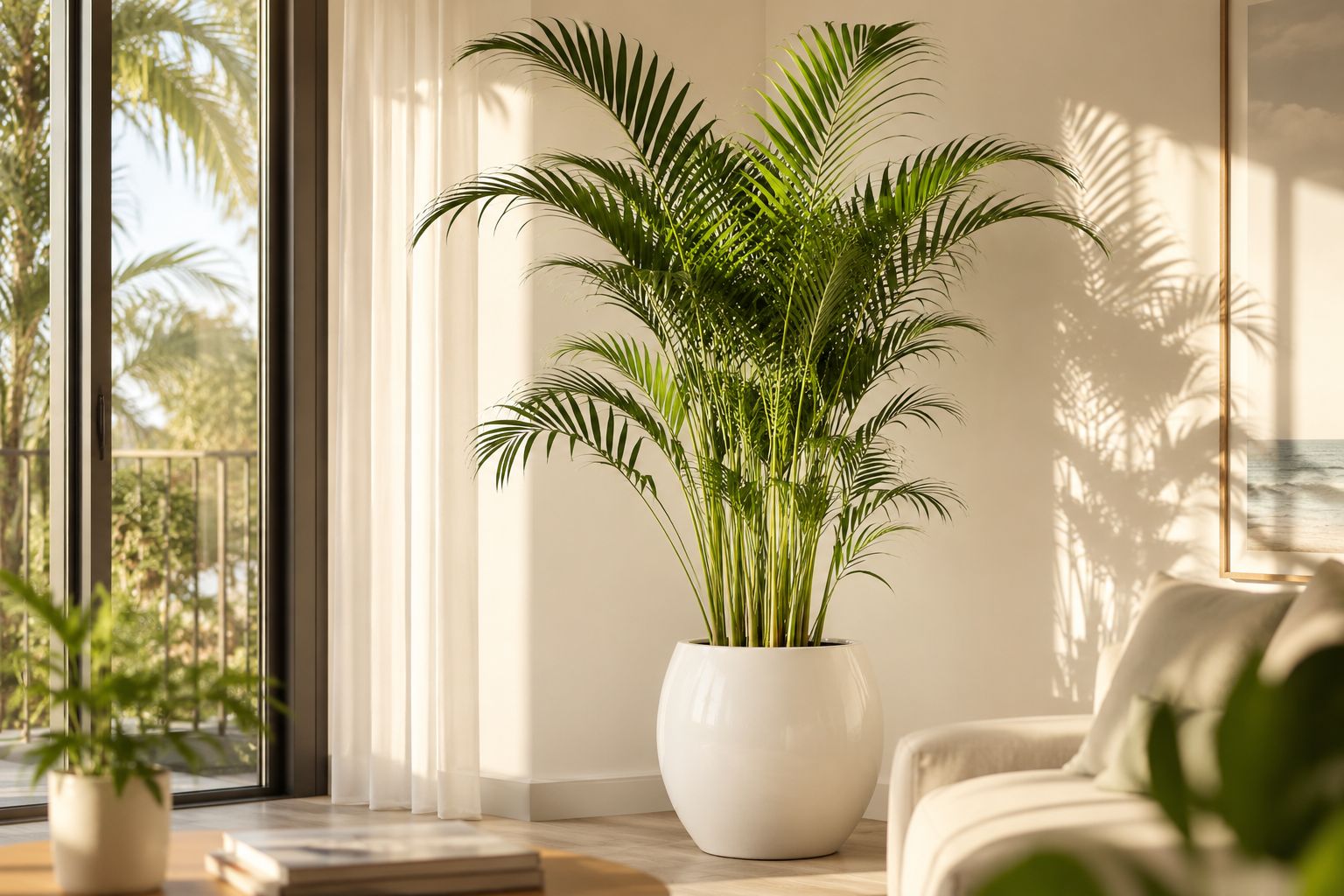
Areca palm brings the feeling of a tropical resort into any room — tall feathery fronds arching outward, golden cane-like stems, a lush density that transforms a corner completely. It is also one of the best natural humidifiers you can grow indoors. Here is everything you need to know to grow one well.

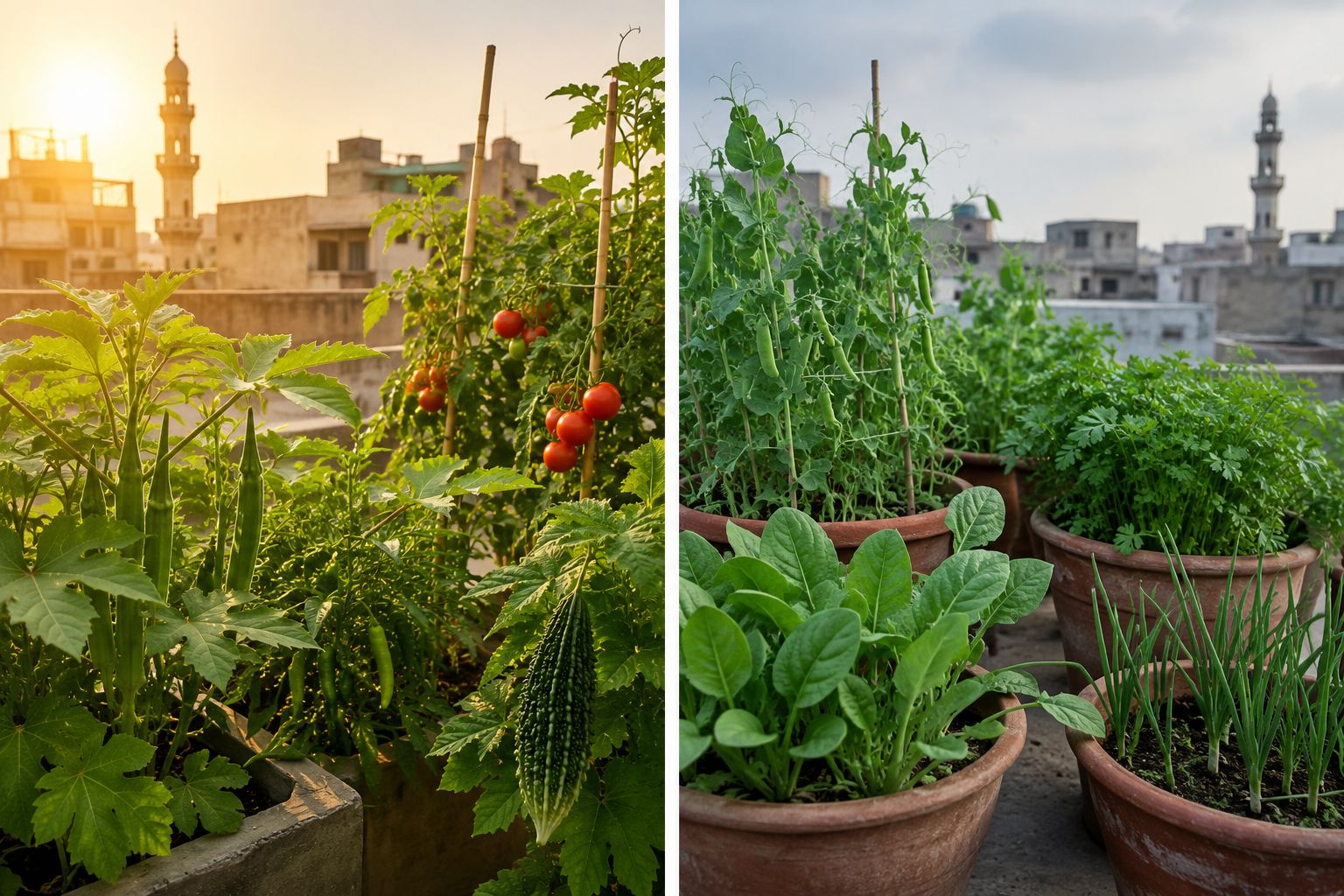
Pakistan has two distinct growing seasons — Kharif and Rabi — and planting the wrong crop in the wrong season is the most common reason home gardens fail. This guide breaks down exactly what to grow in each season, when to sow it, and what your kitchen gets out of it.

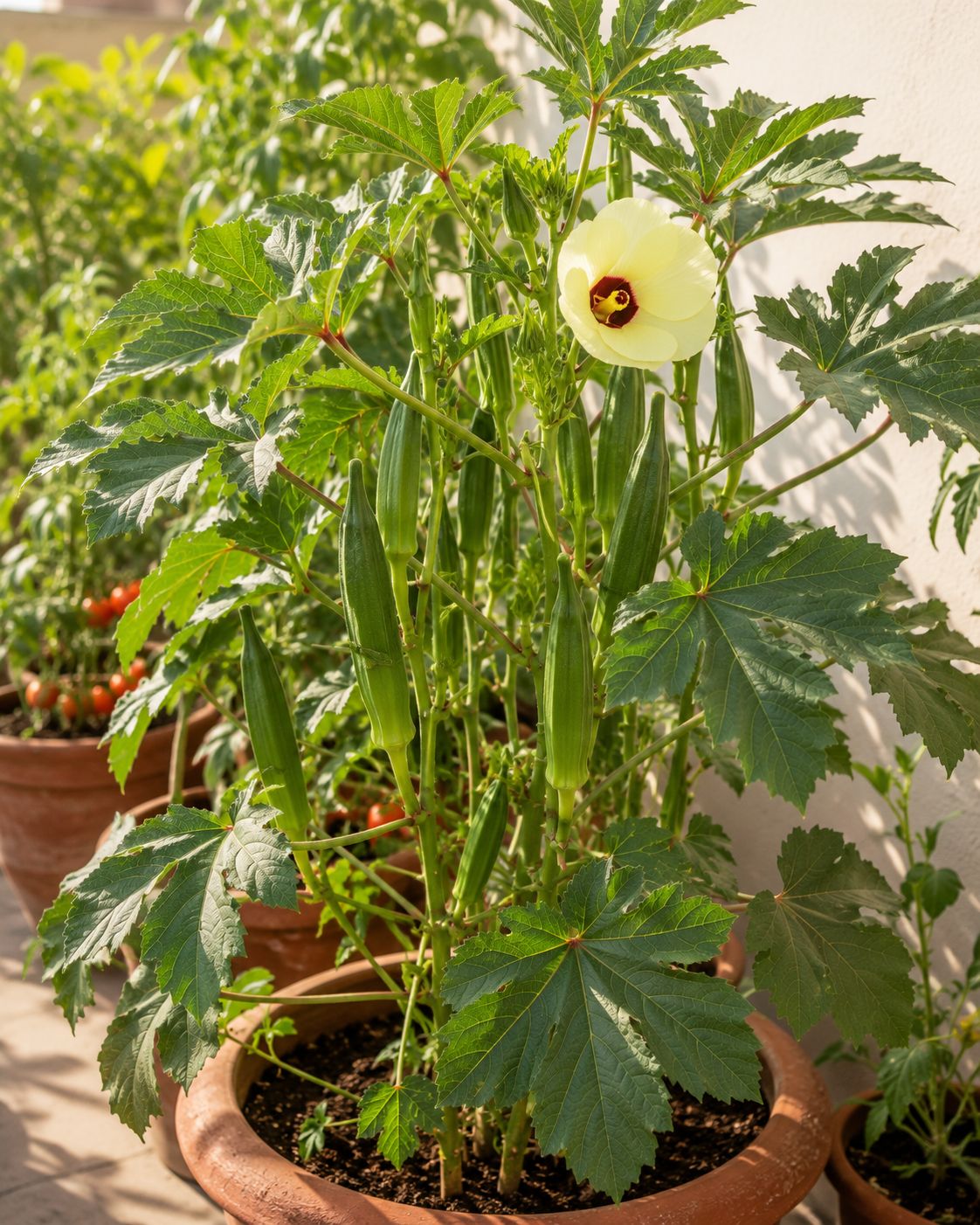
Okra is one of the most productive vegetables you can grow in a pot. Give it full sun, warm soil, and a container big enough to stretch its roots — and it will reward you with tender pods every other day from midsummer right through to autumn. Here is the complete guide.

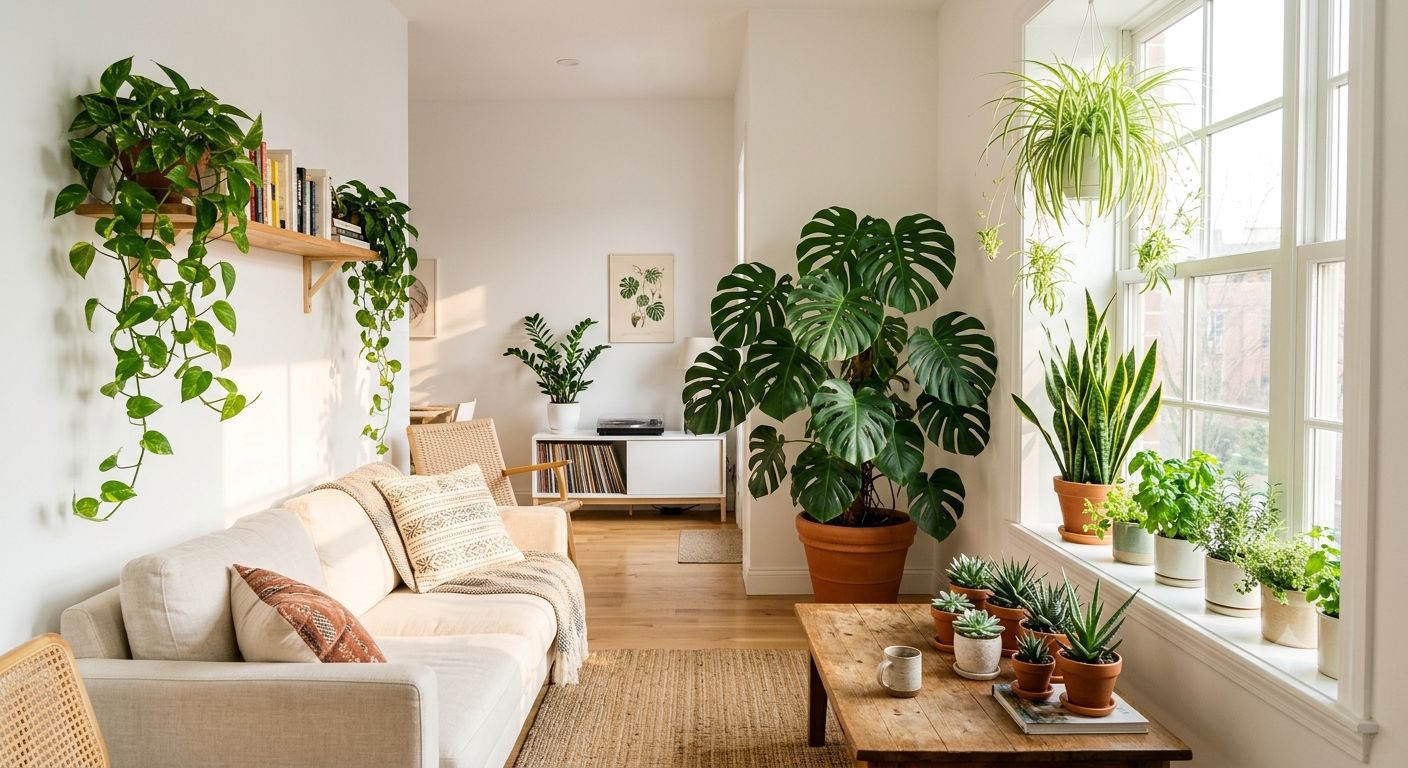
Whether you want something that survives on neglect, a dramatic statement plant, fresh herbs on your windowsill, or a trailing vine that takes over your shelves in the best possible way — this guide covers every great indoor plant and links to the full care guide for each one.

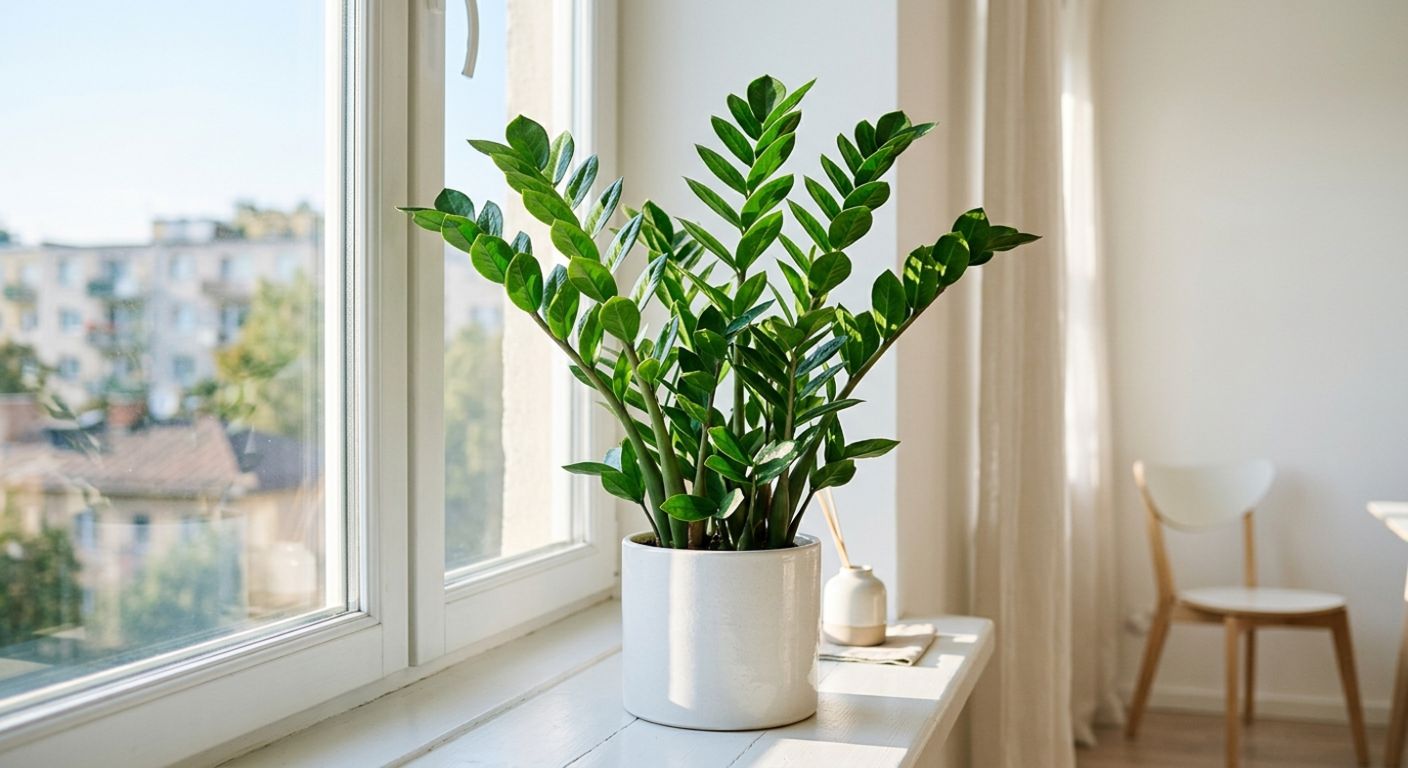
ZZ plant survives low light, weeks without water, neglect, dry air, and almost everything else a home can throw at it. Glossy, architectural, and quietly stunning — here is the complete guide to growing one successfully and understanding exactly why it is almost impossible to kill.

A bare concrete roof absorbs heat all day and pushes it straight into your home. A rooftop garden absorbs that same heat, converts it into plant energy, and keeps the rooms below significantly cooler. This guide covers everything — from structural checks to first harvest — plus the science of exactly how much money a rooftop garden saves.