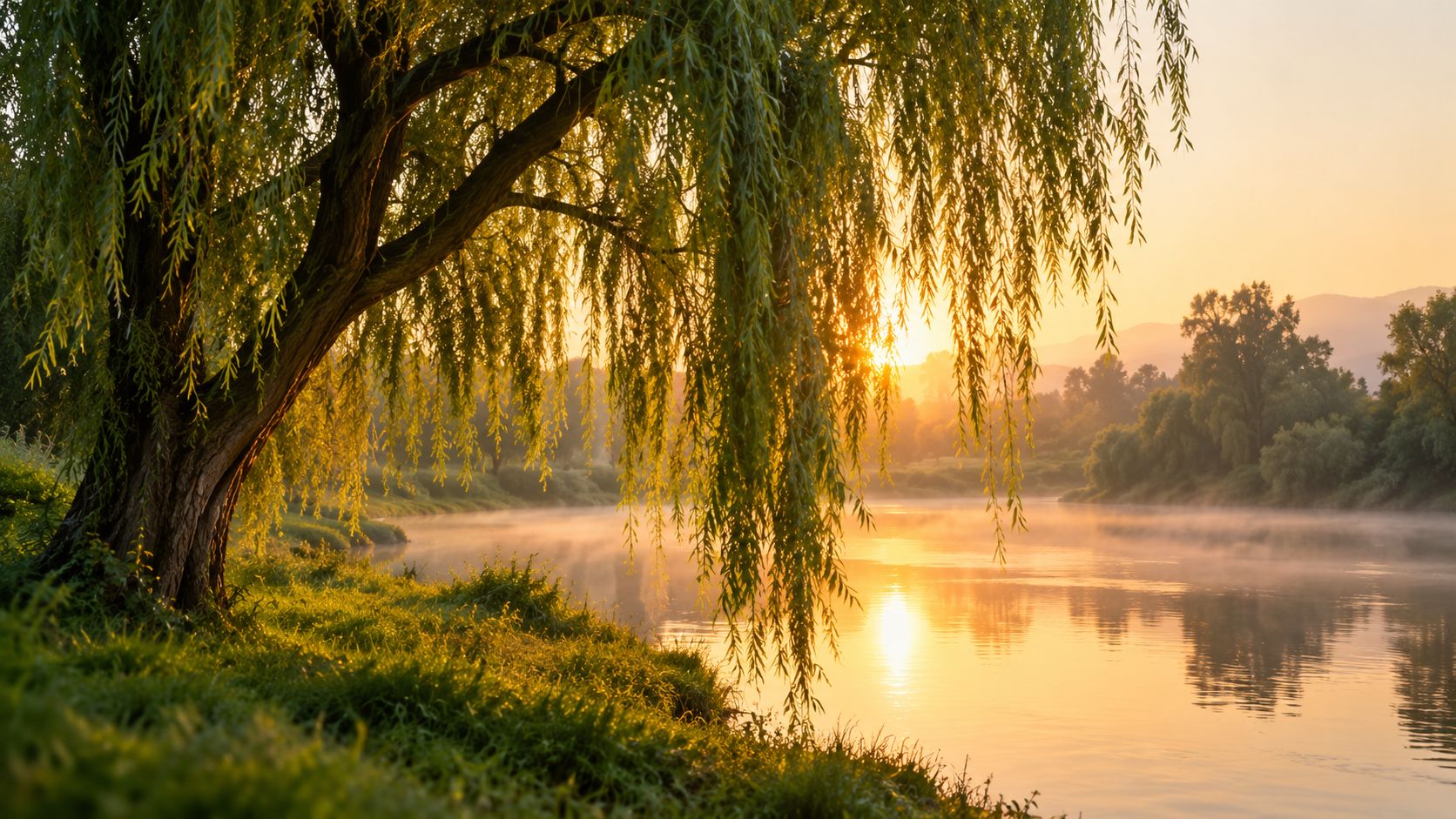
Willow Bark to Aspirin: The Tree That Gave Us the World's Most-Used Painkiller
Your headache tablet started life as tree bark. For thousands of years, people chewed willow bark for pain and fever, and in 1897 a chemist turned it into aspirin.
Loading articles...
Expert plant care guides, growing tips, and nature stories to help you nurture your green journey — from seed to bloom.
Page 1 of 9 (81 articles)

Your headache tablet started life as tree bark. For thousands of years, people chewed willow bark for pain and fever, and in 1897 a chemist turned it into aspirin.

In 2001, a biotech company announced it had engineered corn to produce anti-sperm antibodies. The research vanished from public view within months. The companies that acquired it are the same companies now receiving hundreds of millions of dollars to feed Africa and South Asia. These are the documented facts. Draw your own conclusions.

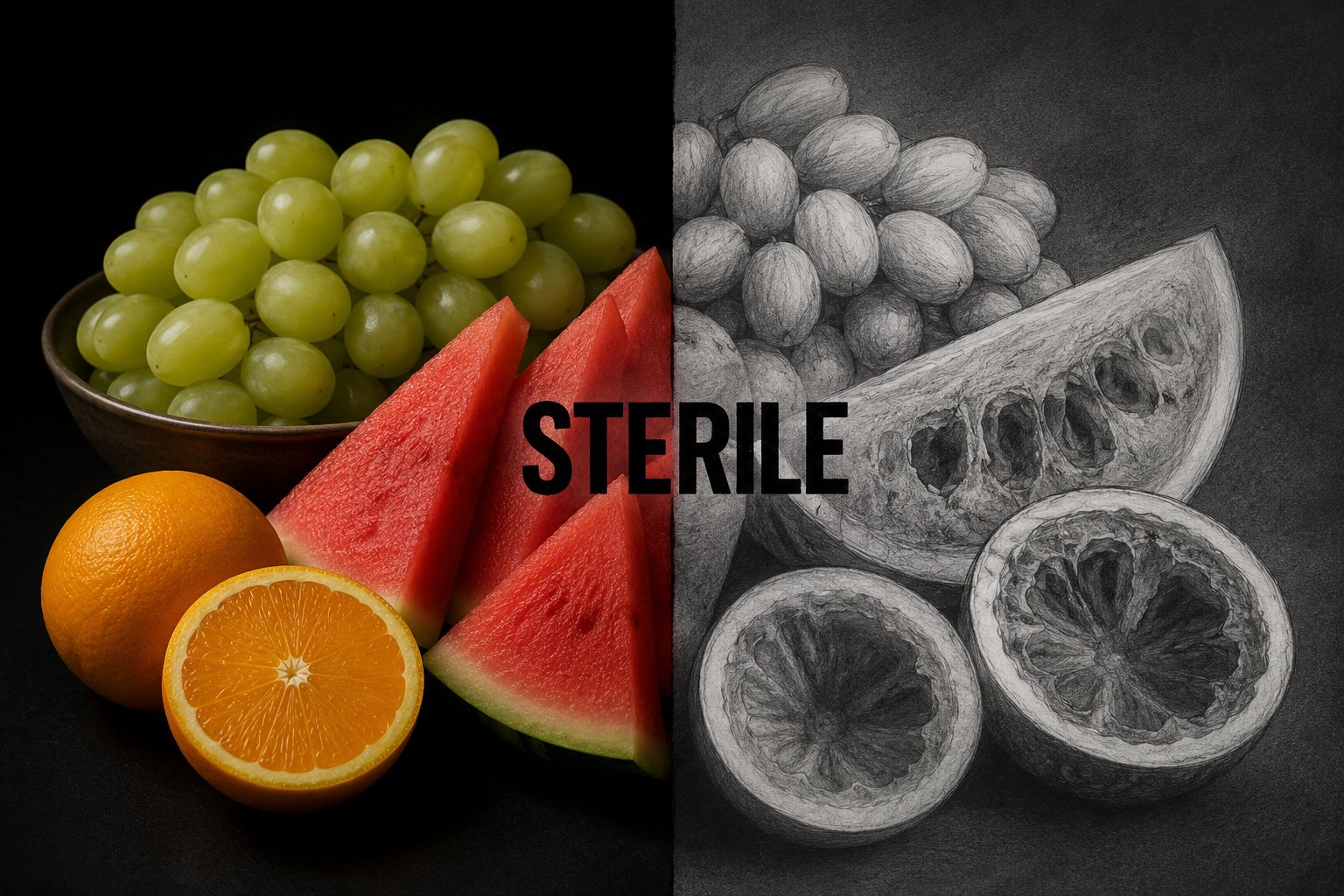
Every seedless grape you eat, every navel orange you peel, every watermelon slice without a pip — none of them can grow another plant. That is not a coincidence. It is a design. And the same logic is being applied to the entire food supply by a handful of corporations that now control most of the world's seeds.

A tiny handful of corporations now control most of the seeds that grow the world's corn, soybeans, and cotton — and in 2026, the U.S. government finally said out loud what farmers have argued for years: the system is rigged against competition. Here's what that means for your food, wherever you live.

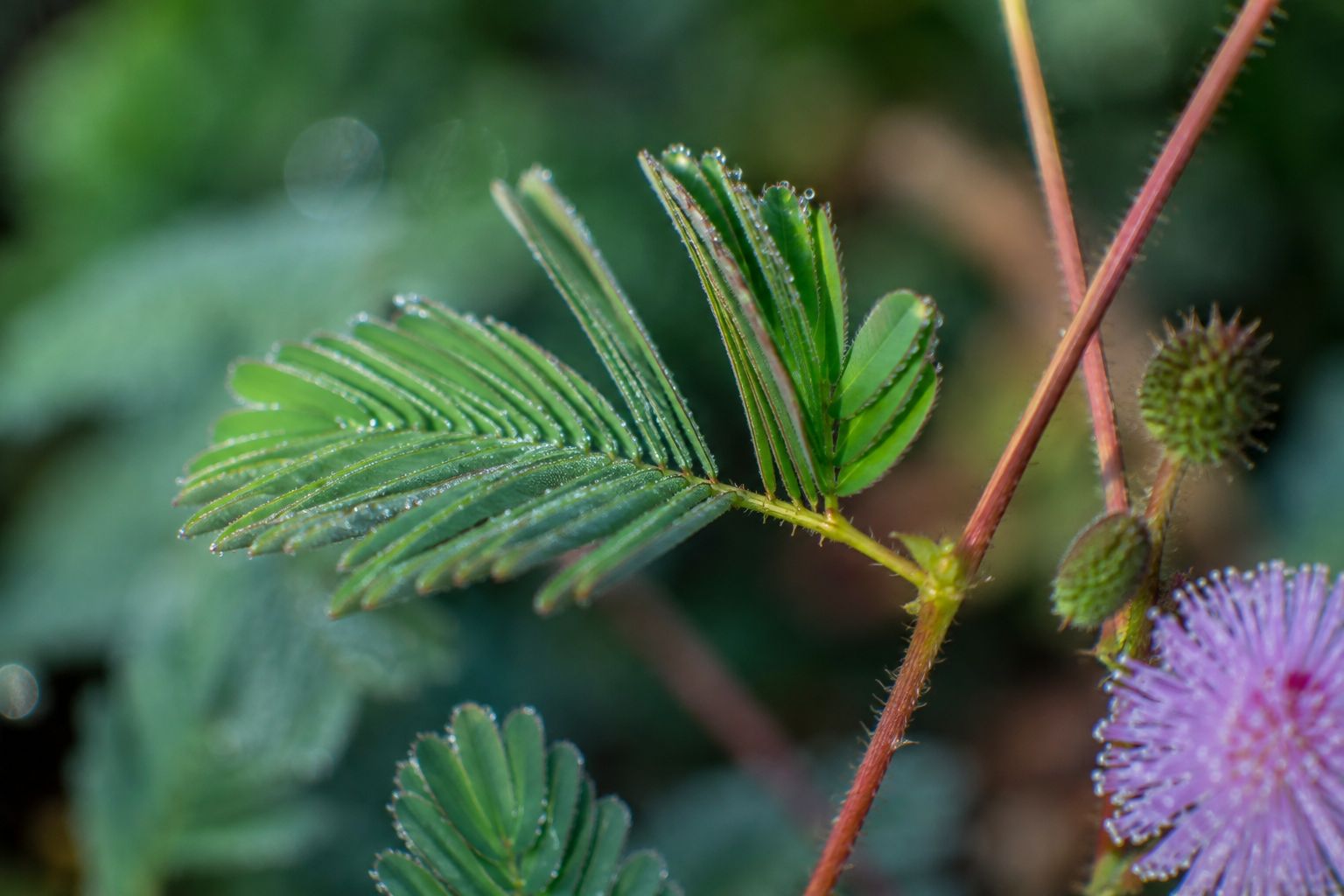
Cut a leaf, and the plant next to it already knows. Scientists have spent the last few years proving that plants "talk" through smell, sound, and a hidden underground network — and what they're saying might change how we farm, garden, and think about nature itself.

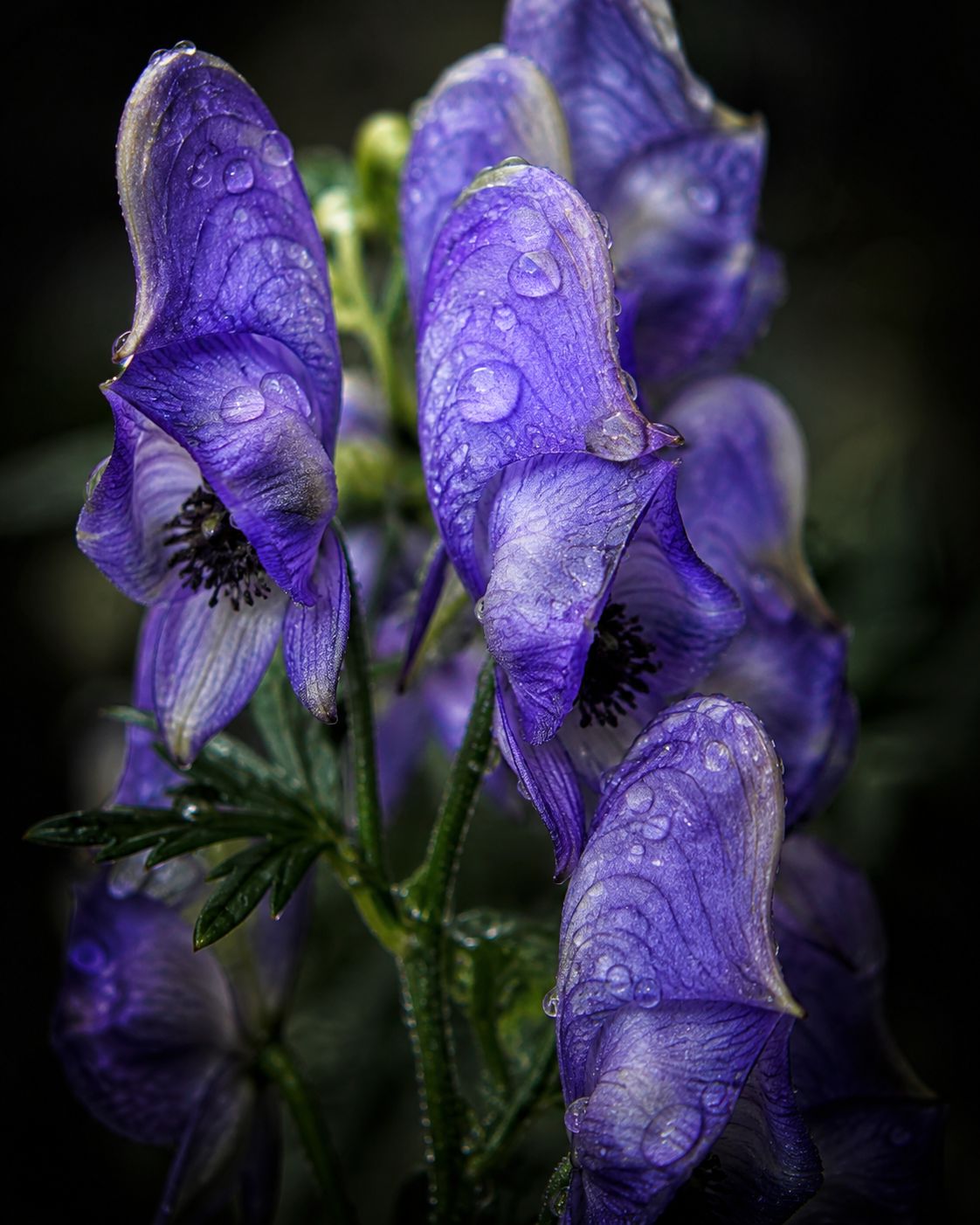
Wolfsbane and larkspur have poisoned kings and killed with a single touch for centuries. Now scientists have cracked the genetic code behind their toxins — and it could lead to new medicines for pain, cancer, and malaria.

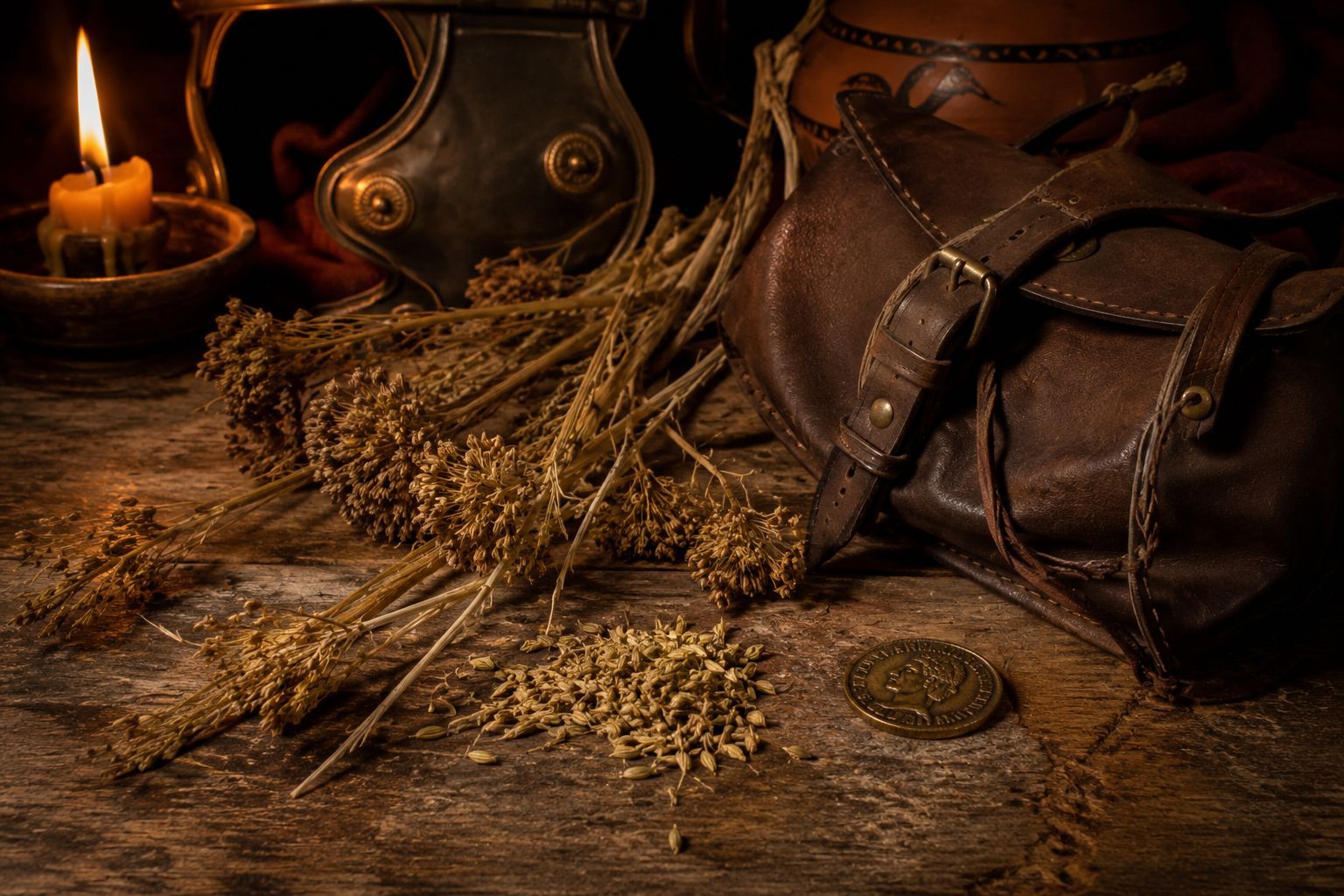
No modern soldier packs a herb in their kit. Roman ones did. Fennel rode in the ration bags of legions that built an empire — chewed for endurance, prescribed for two dozen ailments, and, it turns out, quietly backed by real chemistry the Romans had no way of understanding.

No brain. No nerves. No eyes or ears. And yet plants react to touch, warn each other of danger, and seem to "remember" things for weeks. Here's what the science actually says — no myths, no overselling.

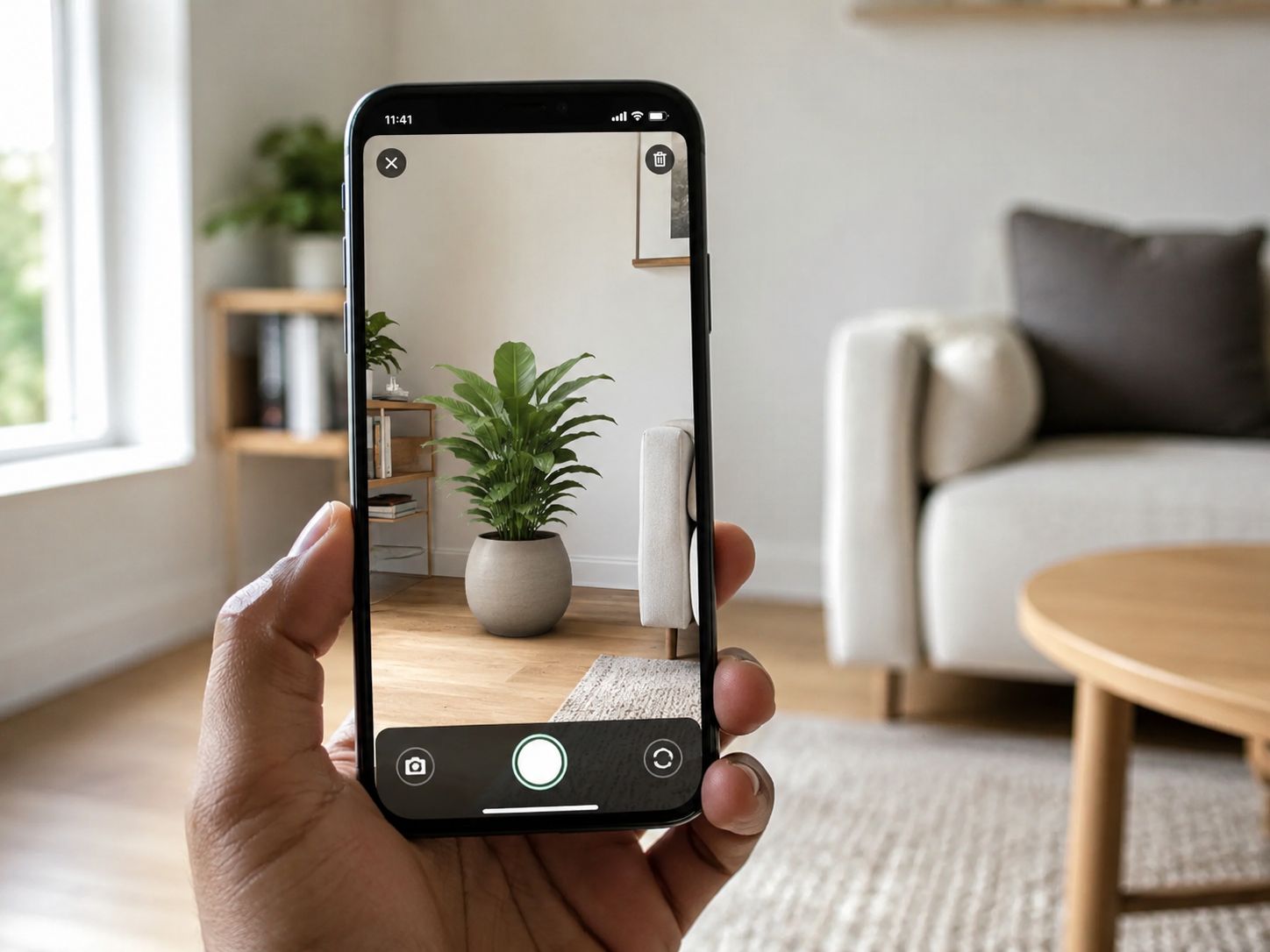
No more guessing how a plant will look in your home. With Seedora's new AR feature, you can place a life-size 3D plant or tree right in your room or yard — using just your phone camera.

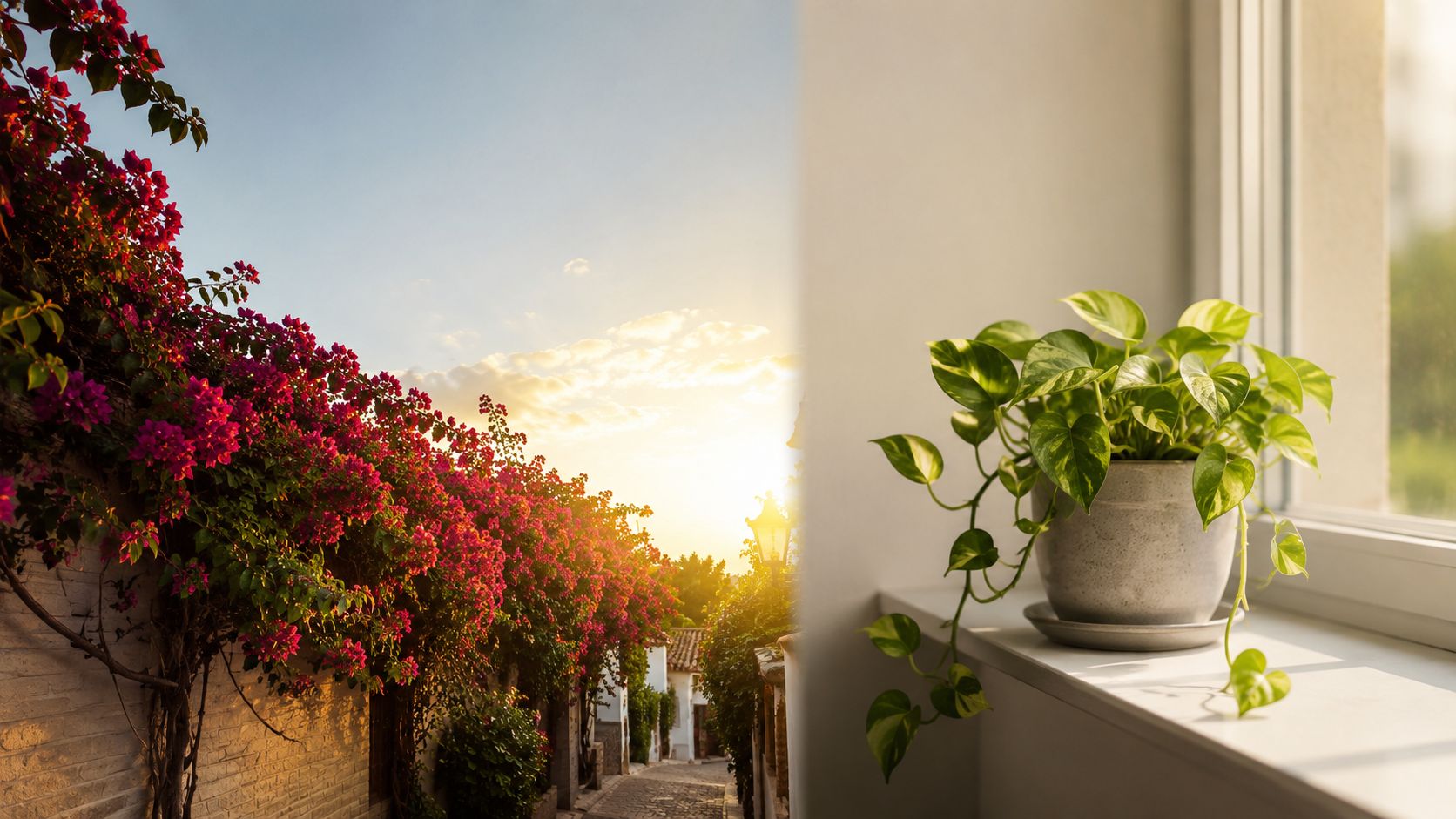
Some vines are meant to swallow an entire wall in green. Others just want a small pot on your windowsill. Here's how to tell which one fits your space, and how long each one actually takes to grow.

We shot our first walkthrough on an Infinix phone — no fancy gear, just us exploring plants. More nature videos are coming soon with better equipment, so subscribe to follow along.

Forget frost. Across South Asia, the question that decides your entire growing year is which monsoon reaches your land, and when. Four countries, four rainfall patterns, one radically different way of thinking about a planting calendar.