Quick question: when you take a tablet for a headache, do you ever wonder where that medicine came from?
A lab, right? A big factory, white coats, machines?
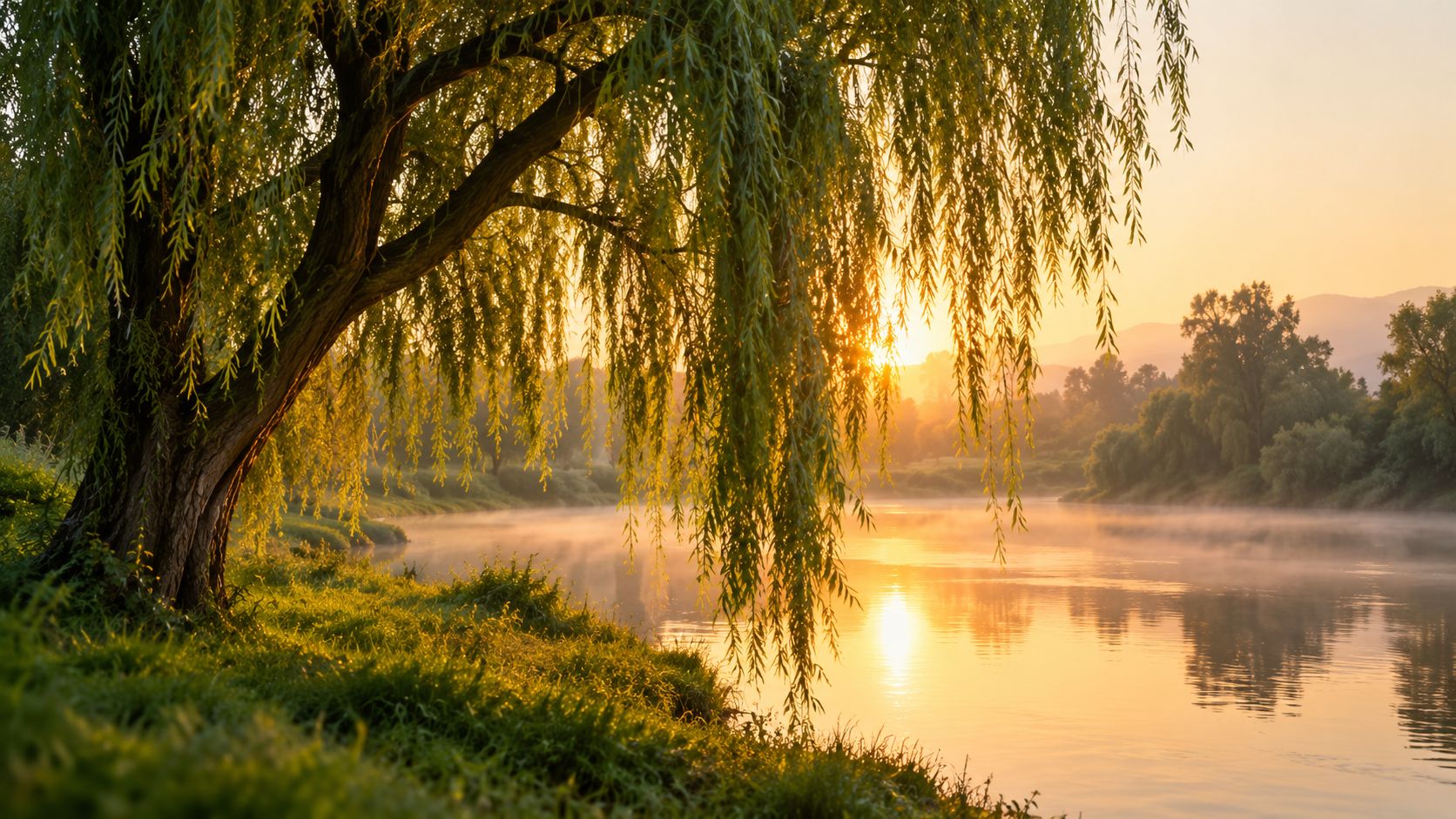
Well, partly. But the story starts somewhere much simpler: a tree growing by a river.
This isn't a folk tale. It's real history, and the tree is the willow.
The Tree People Chewed for Pain
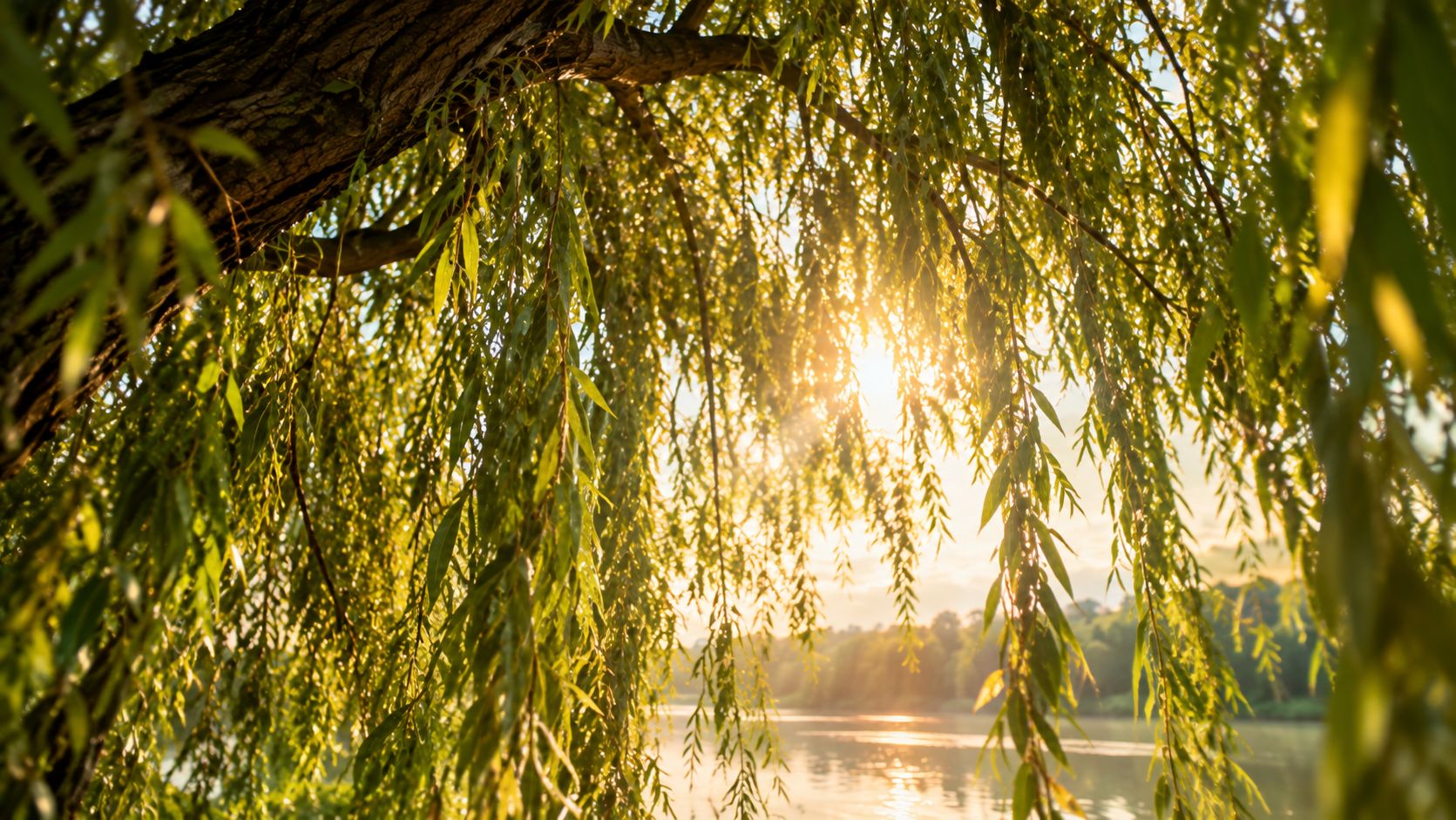
Let's go back a very long time. About 4,000 years ago, ancient Sumerians wrote about willow on clay tablets. The ancient Egyptians mentioned it in their medical writings too.
So they just ate a tree? Not exactly. They made teas, chewed the bark, and used the leaves. Later, around 400 BCE, the Greek doctor Hippocrates is said to have recommended willow tea for fever and pain.
Why willow? Nobody had a lab back then, so they noticed it by watching. Willows grow in wet, cold places, and people living near them found that the bark eased aches. Word spread, and the knowledge passed from one generation to the next.
Sounds too simple to work? It did work. We'll get to why in a moment.
The Vicar Who Tested It on 50 People
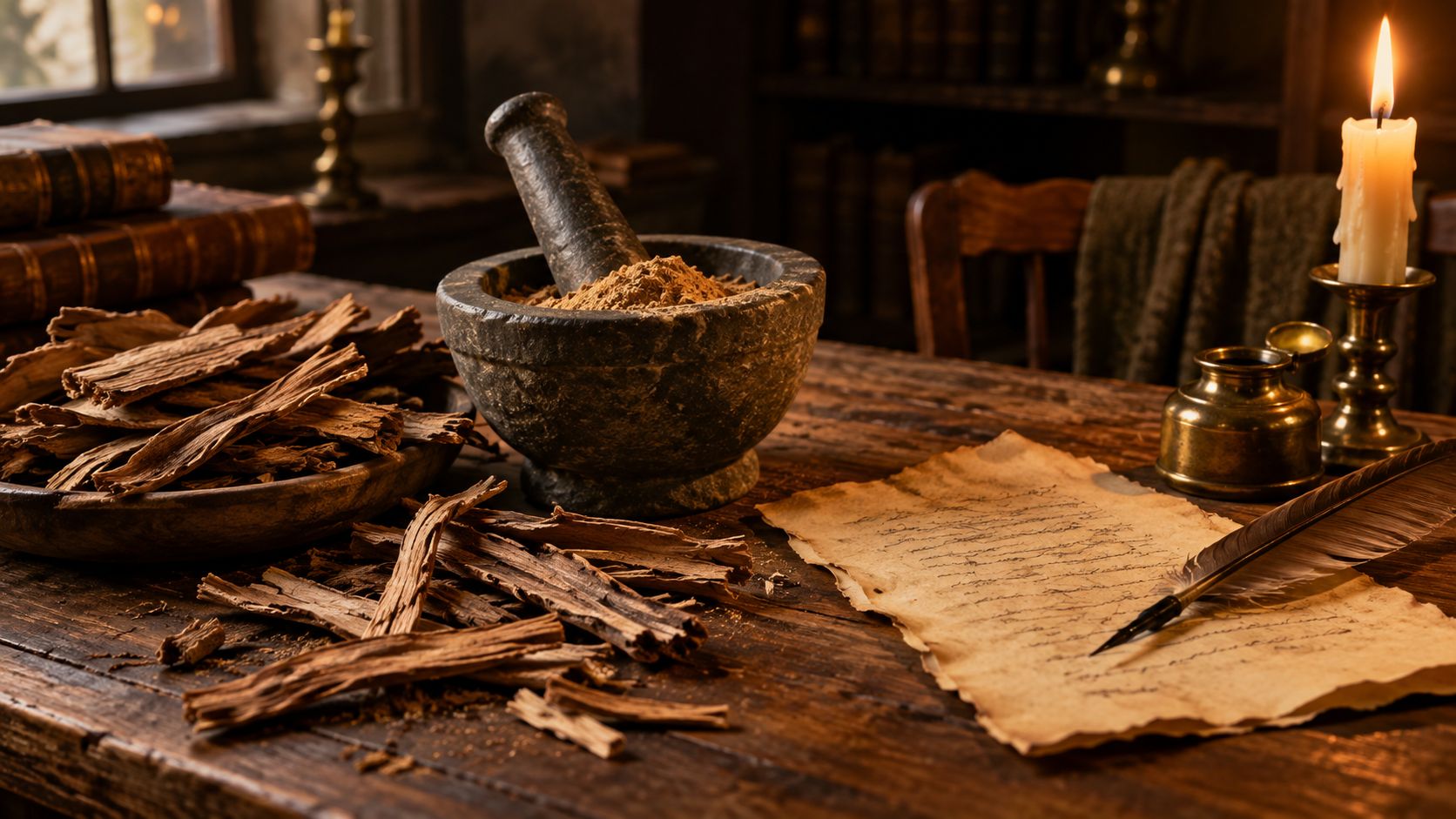
Fast forward to 1763, in England. A vicar named Edward Stone had an odd idea.
He had heard that willow bark was bitter, just like the bark used to treat fevers back then. He thought, "Maybe the tree that grows in damp places can cure the sickness that comes from damp places."
So did he just guess? Yes, but then he tested it. He dried the bark, ground it to powder, and gave it to about 50 people with fever. It seemed to help. He wrote a letter about it to the Royal Society in London, and that letter is one of the first written trials of willow bark as medicine.
Was it perfect science? No. But it made scientists ask a big question: what is inside this bark?
The Scientists Who Found the Secret Ingredient
Now the chemists took over.
In 1828, a German scientist named Johann Buchner pulled a yellow, bitter substance out of willow bark. He called it salicin, after Salix, the Latin name for willow. A year later, a French chemist purified it into crystals.
A few years after that, other chemists turned salicin into salicylic acid. It worked well against pain and fever.
So the problem was solved? Not quite. Salicylic acid was harsh. It burned the mouth and hurt the stomach, and many people preferred the pain to the medicine.
The Fix That Created Aspirin
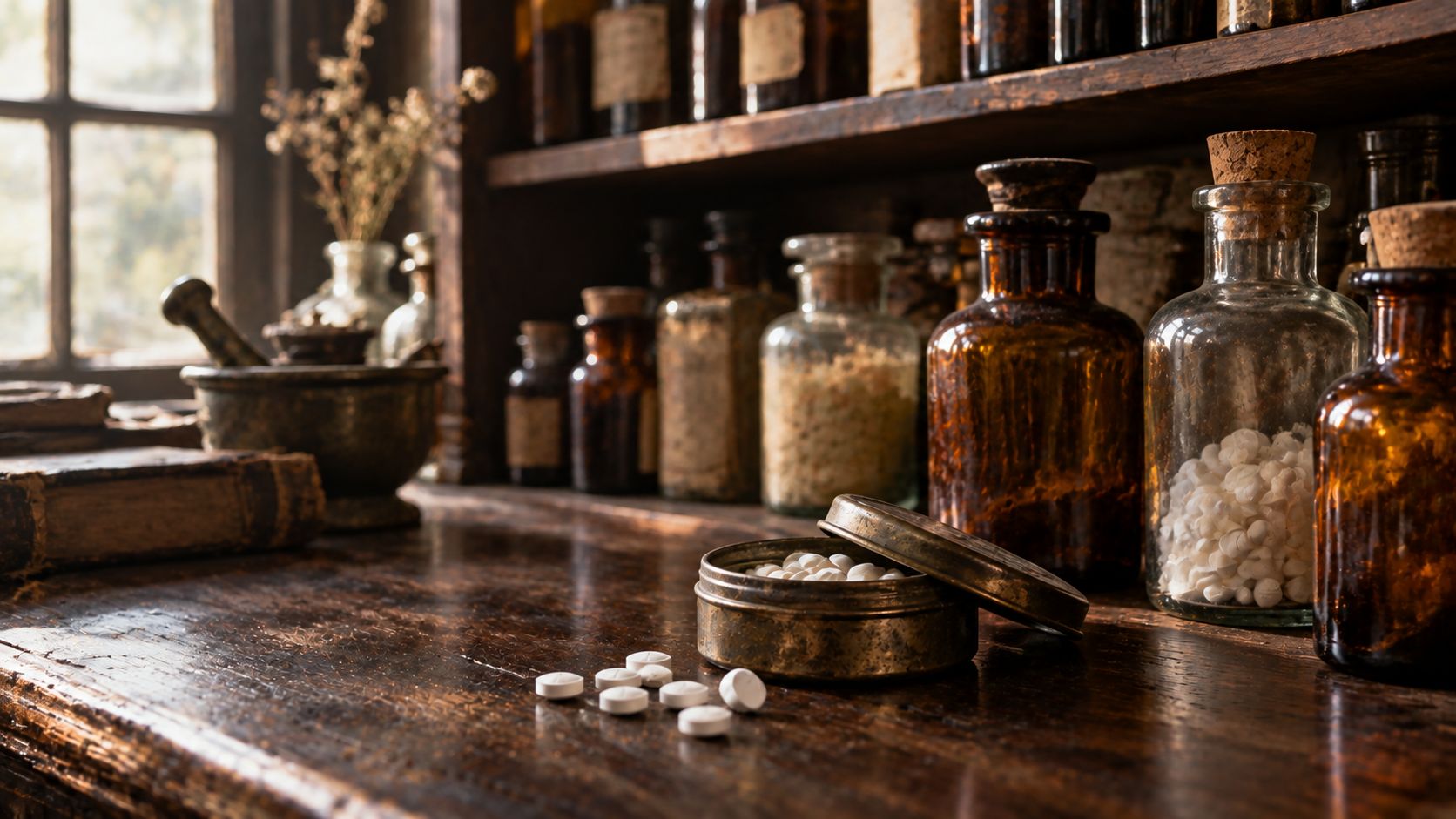
This is where a chemist named Felix Hoffmann enters the story. In 1897, he worked at the German company Bayer. He changed salicylic acid slightly to make acetylsalicylic acid, a gentler form.
Wait, why is it called aspirin, then? Here's the story behind the name. The "a" comes from acetyl. The "spir" comes from Spiraea, a plant that also holds salicylic compounds. The "in" was a common ending for medicine names back then.
In 1899, Bayer began selling it around the world. Aspirin was born. (Some historians say another Bayer chemist, Arthur Eichengrün, deserves more credit. The debate is still going.)
Nobody Knew How It Worked, Until 1971
Here's a strange fact. For about 70 years, people took aspirin without knowing why it worked.
Nobody knew? Correct. It was only in 1971 that British scientist John Vane figured it out. Aspirin blocks certain enzymes in your body (called COX enzymes) that make chemicals called prostaglandins. Those chemicals cause pain, swelling, and fever. Block them, and you feel better.
He won a Nobel Prize for this work in 1982.
And Here's a Plant Secret
Now the part gardeners will love.
Why does a willow make this chemical in the first place? Not for us, obviously. Plants use salicylic acid as a signal. When a leaf is attacked by insects or germs, the plant releases it to warn its other leaves and switch on its defences.
So the plant's own alarm system became our painkiller. Salicylic acid is still used today in acne creams and skin care for a similar reason.
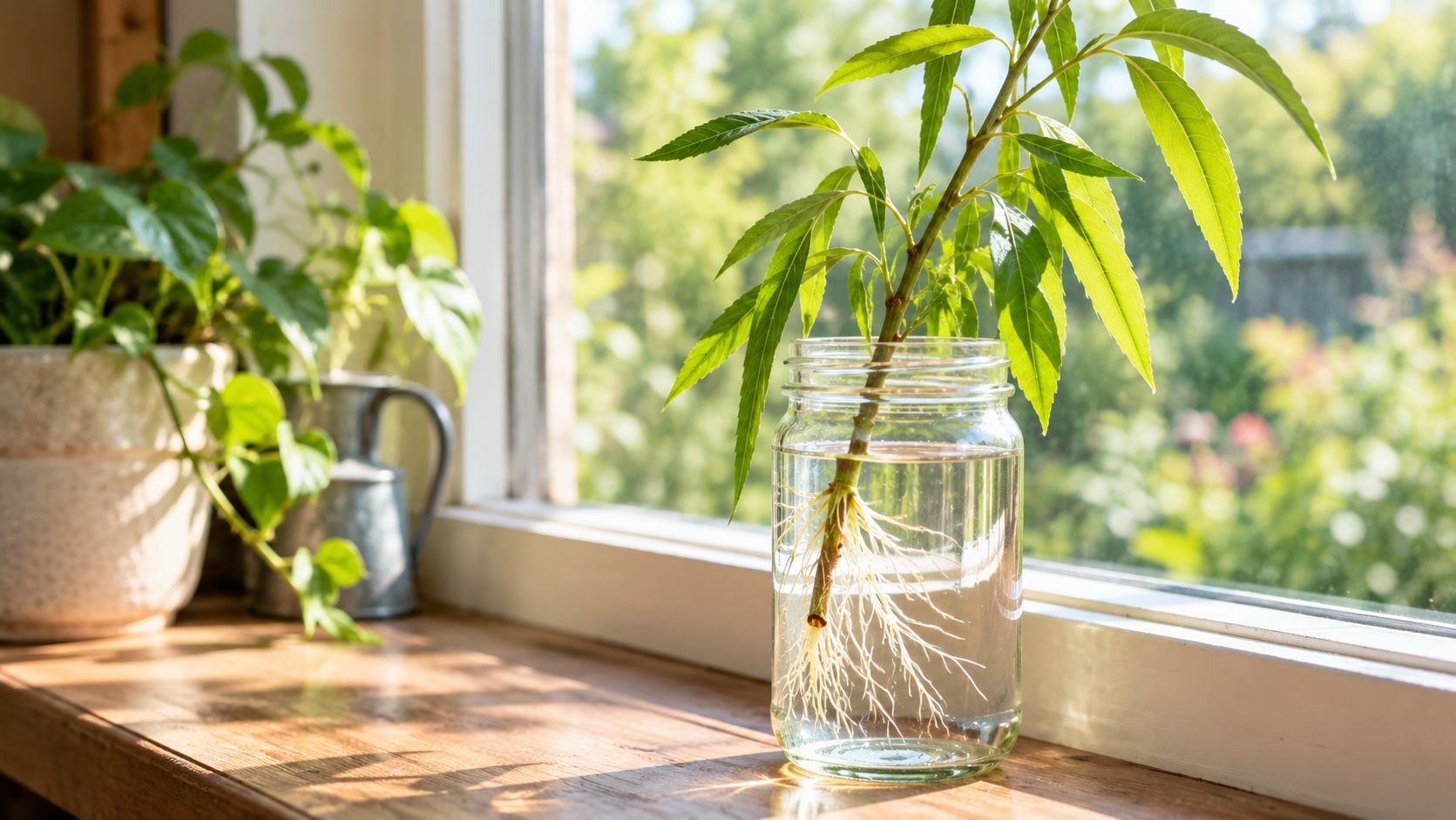
Want to see how tough a willow is? Cut a branch, put it in a jar of water, and roots often appear in a couple of weeks. That's one strong tree.
Before You Go Chewing Bark
Let's be careful here. Willow bark and aspirin are not the same thing, and neither is risk-free.
- Aspirin can cause stomach bleeding in some people.
- It should not be given to children or teenagers with fever or viral illness, because of a rare but serious condition called Reye's syndrome.
- People on blood thinners or with allergies to aspirin should check with a doctor first.
So can I just use willow bark tea instead? It contains salicin, but the amount varies a lot, and it has similar risks. If you're thinking of using it as medicine, talk to a doctor or pharmacist first.
The Bigger Picture
Look at the full chain. A tree, an observant vicar, a few curious chemists, and one clever fix. From that came a medicine that people around the world still take, with roughly 40,000 tonnes made every year by some estimates.
The next time you see a willow by a river, remember that it isn't just a pretty tree. It's part of the reason your medicine cabinet looks the way it does. And it's a reminder that plants still hold many secrets we have barely started to read.
Sources: Philosophical Transactions of the Royal Society (Edward Stone, 1763); Bayer historical archives on aspirin; NobelPrize.org (John Vane, 1982); NIH/PubMed reviews on the history of salicylates. This article is for general education and is not medical advice.