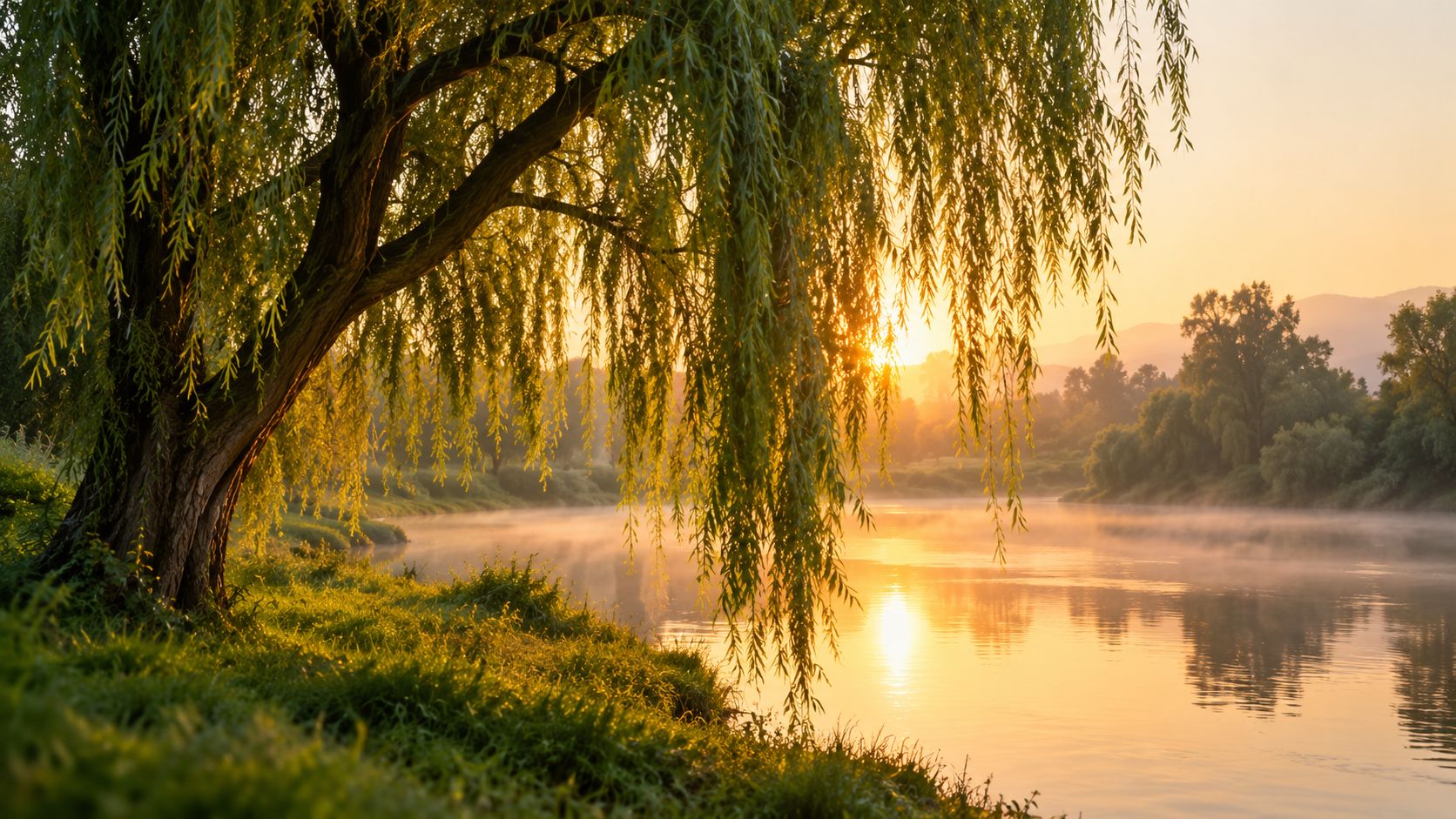
Willow Bark to Aspirin: The Tree That Gave Us the World's Most-Used Painkiller
Your headache tablet started life as tree bark. For thousands of years, people chewed willow bark for pain and fever, and in 1897 a chemist turned it into aspirin.
Loading articles...
Expert plant care guides, growing tips, and nature stories to help you nurture your green journey β from seed to bloom.

Your headache tablet started life as tree bark. For thousands of years, people chewed willow bark for pain and fever, and in 1897 a chemist turned it into aspirin.

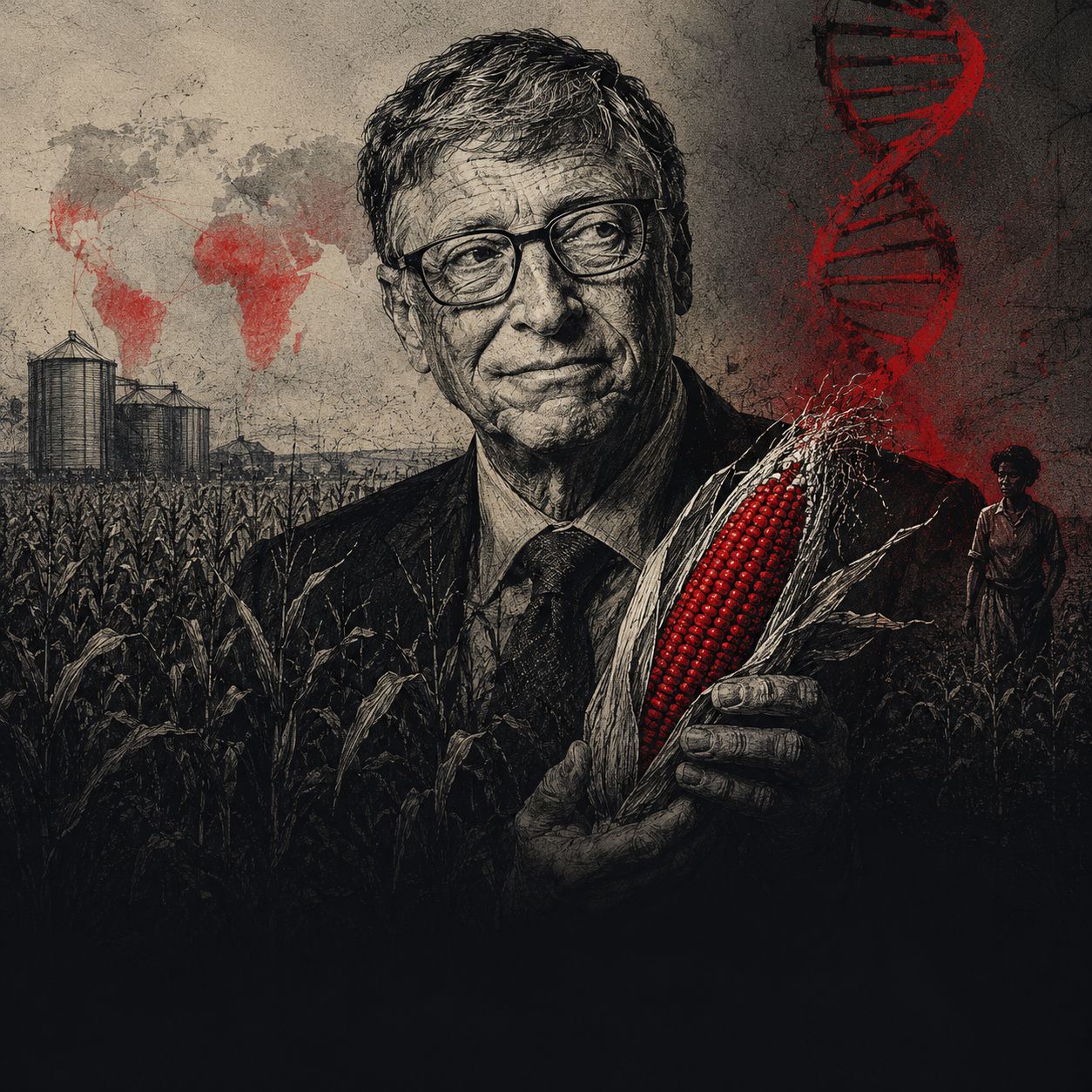
In 2001, a biotech company announced it had engineered corn to produce anti-sperm antibodies. The research vanished from public view within months. The companies that acquired it are the same companies now receiving hundreds of millions of dollars to feed Africa and South Asia. These are the documented facts. Draw your own conclusions.

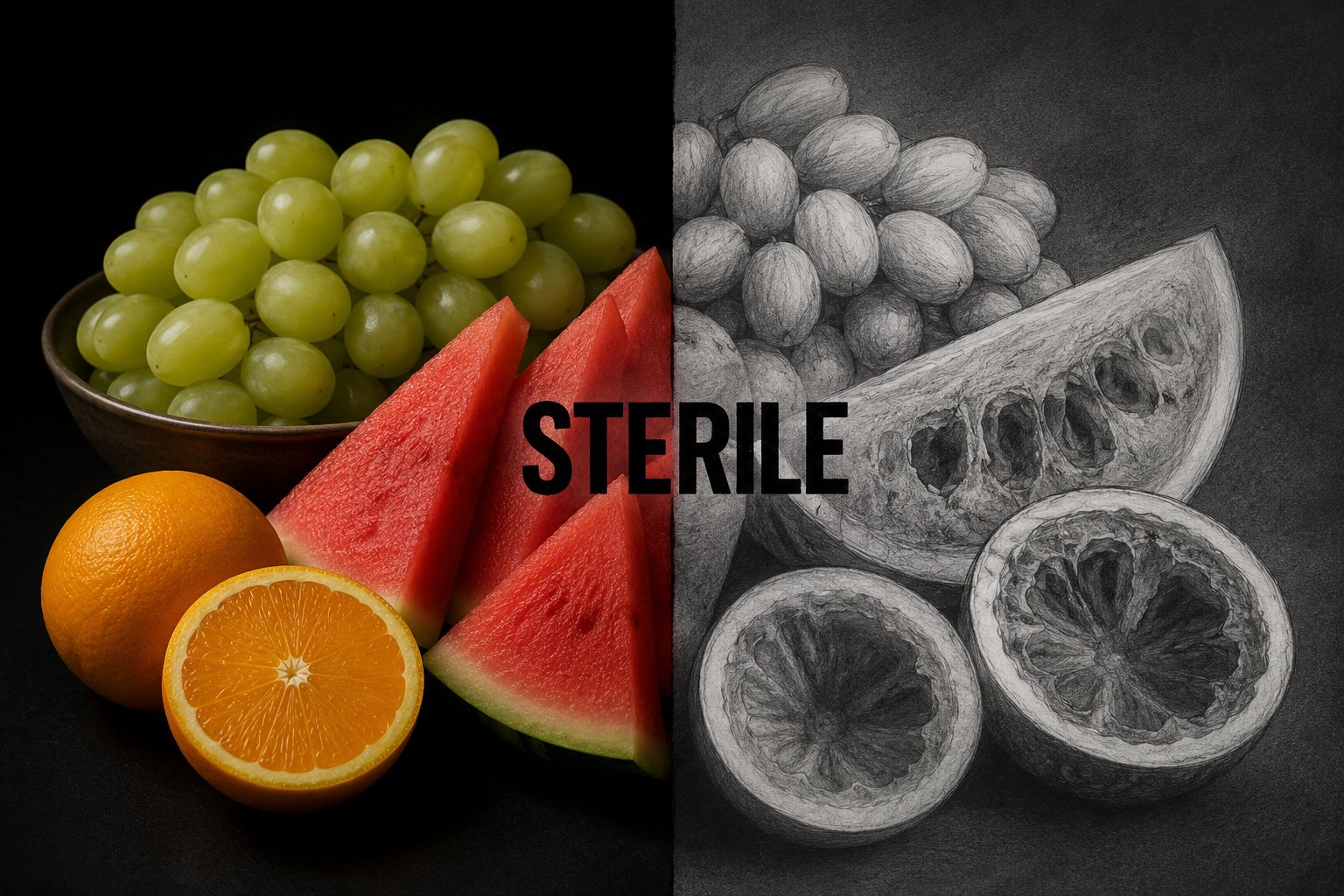
Every seedless grape you eat, every navel orange you peel, every watermelon slice without a pip β none of them can grow another plant. That is not a coincidence. It is a design. And the same logic is being applied to the entire food supply by a handful of corporations that now control most of the world's seeds.

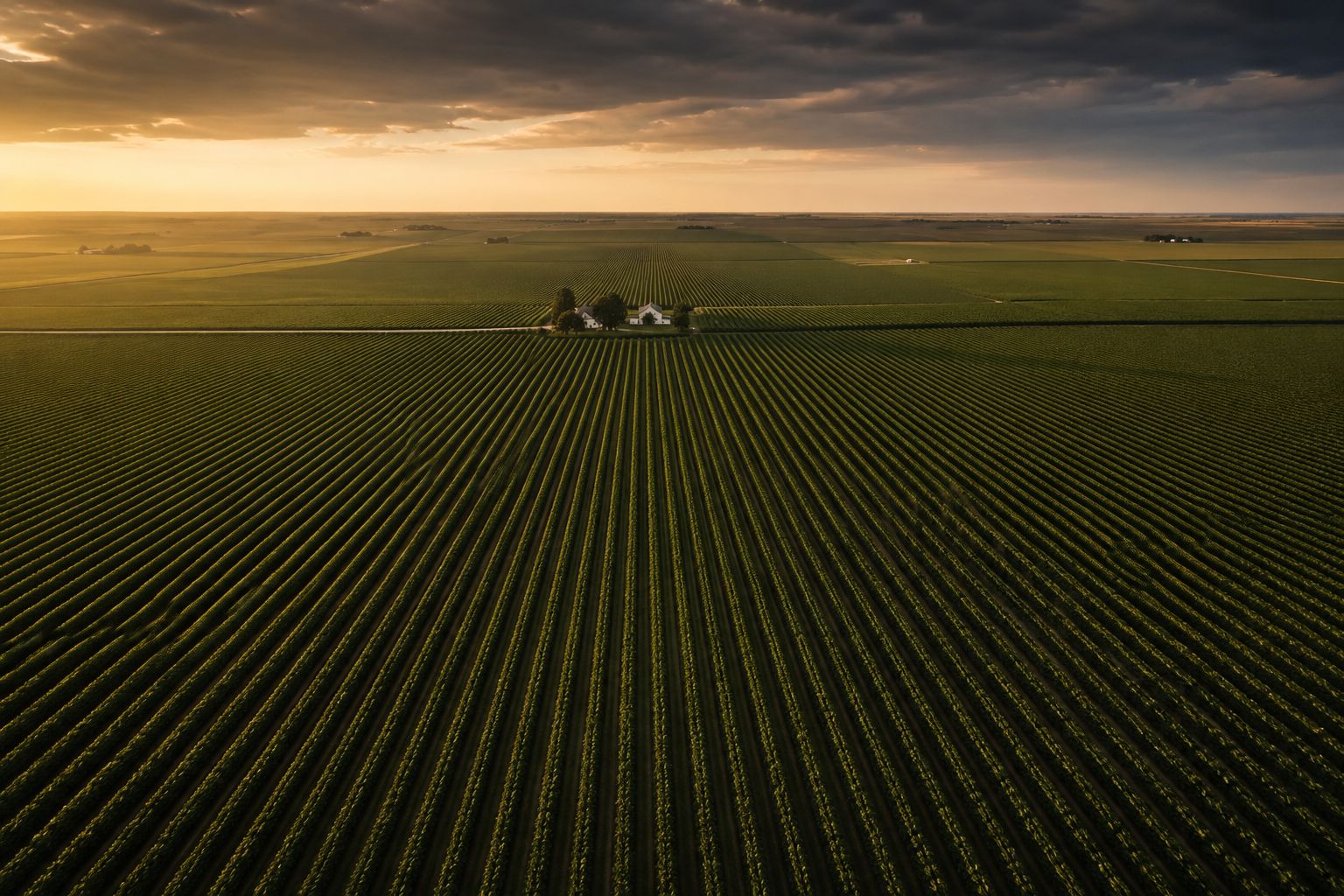
A tiny handful of corporations now control most of the seeds that grow the world's corn, soybeans, and cotton β and in 2026, the U.S. government finally said out loud what farmers have argued for years: the system is rigged against competition. Here's what that means for your food, wherever you live.

Cut a leaf, and the plant next to it already knows. Scientists have spent the last few years proving that plants "talk" through smell, sound, and a hidden underground network β and what they're saying might change how we farm, garden, and think about nature itself.

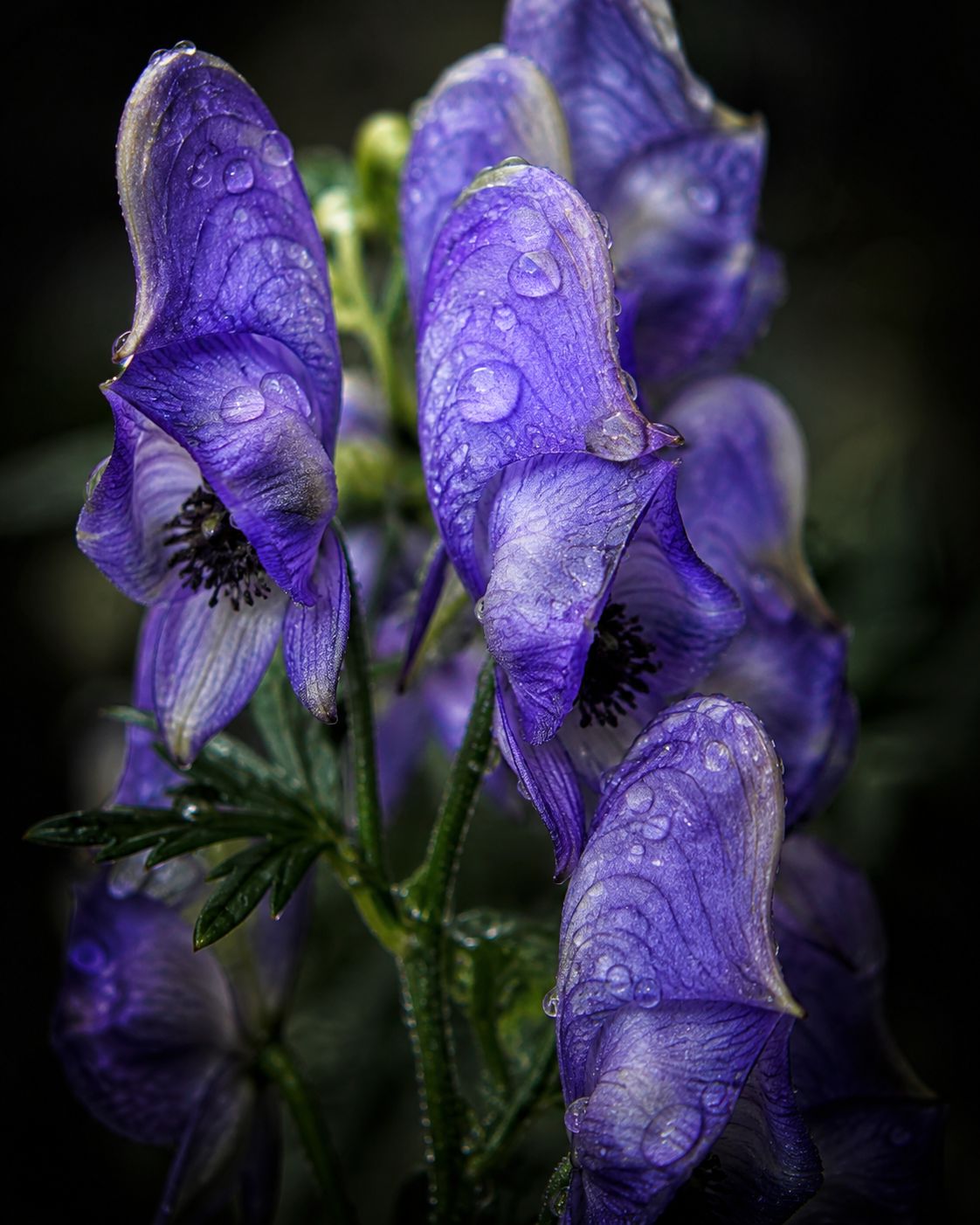
Wolfsbane and larkspur have poisoned kings and killed with a single touch for centuries. Now scientists have cracked the genetic code behind their toxins β and it could lead to new medicines for pain, cancer, and malaria.

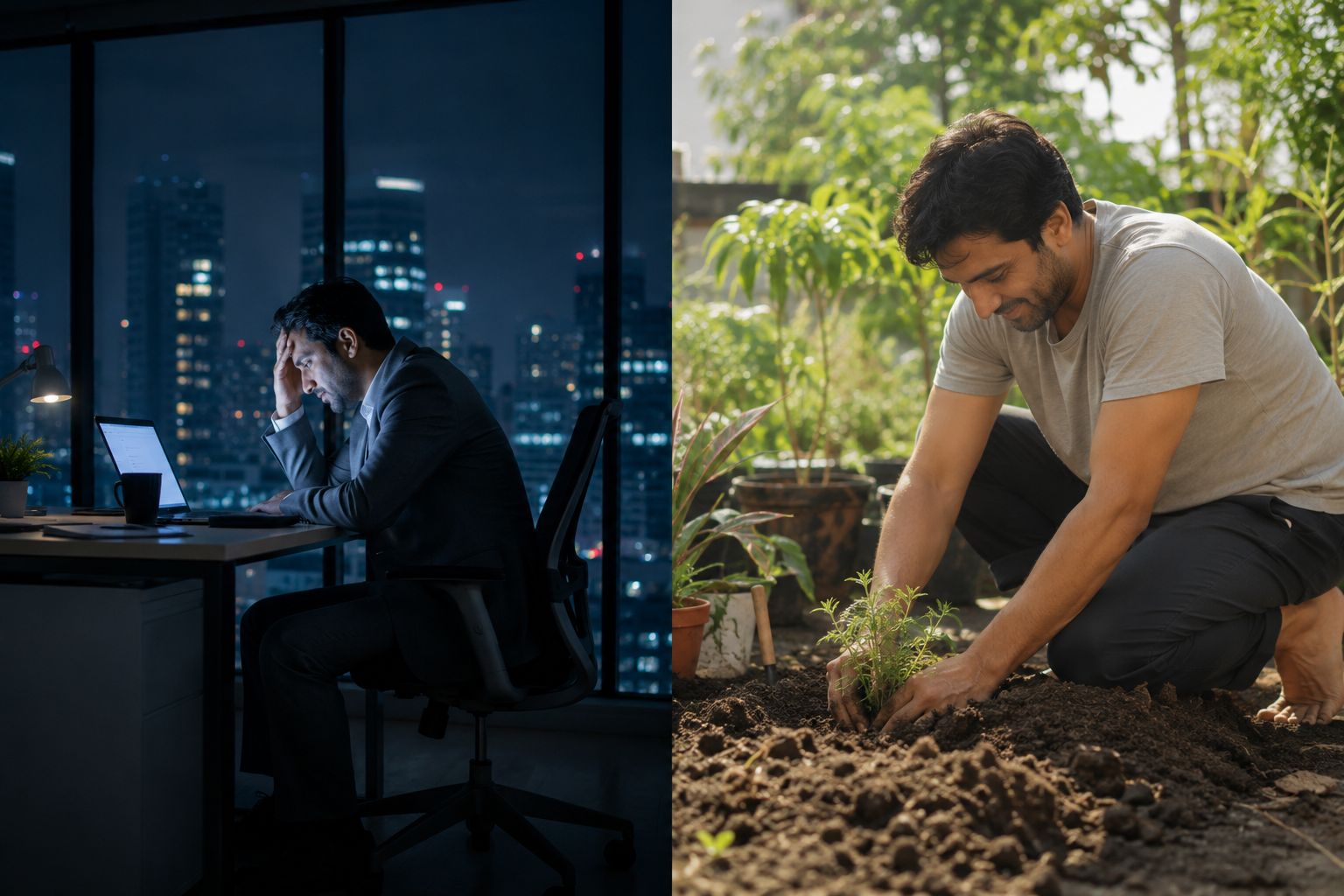
A simple question with a answer that unravels everything. If you grew your own food, you would not need money to eat. If you did not need money to eat, what exactly would you be working for? And what would the world look like if millions of people asked that question at the same time?

One man owns 275,000 acres of American farmland. His foundation funds the companies that own the patents on most of the world's seeds. Those same companies engineered corn that produces anti-sperm antibodies. And the organisation that sets global food policy is funded by the same people. These are documented facts. Ask yourself why nobody is connecting them.

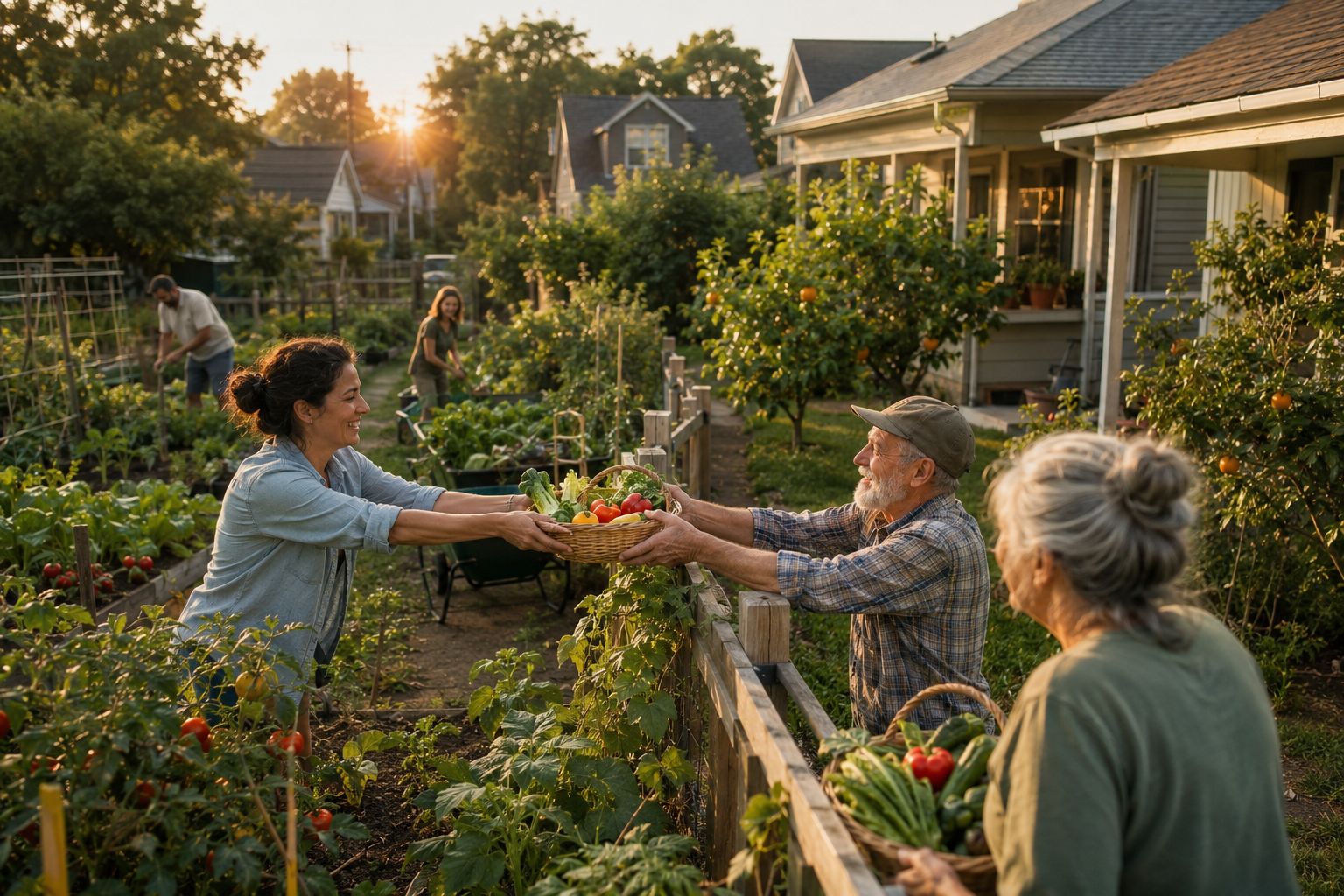
Before markets, before money, before any of it β humans needed exactly one thing to survive: food they could find, grow, or trade for. In an age of AI and instant delivery, is there still a version of that life worth returning to? Not all the way back. But maybe further than we think.