Willow Bark to Aspirin: The Tree That Gave Us the World's Most-Used Painkiller
Your headache tablet started life as tree bark. For thousands of years, people chewed willow bark for pain and fever, and in 1897 a chemist turned it into aspirin.
Loading articles...
Expert plant care guides, growing tips, and nature stories to help you nurture your green journey β from seed to bloom.

Your headache tablet started life as tree bark. For thousands of years, people chewed willow bark for pain and fever, and in 1897 a chemist turned it into aspirin.

In 2001, a biotech company announced it had engineered corn to produce anti-sperm antibodies. The research vanished from public view within months. The companies that acquired it are the same companies now receiving hundreds of millions of dollars to feed Africa and South Asia. These are the documented facts. Draw your own conclusions.

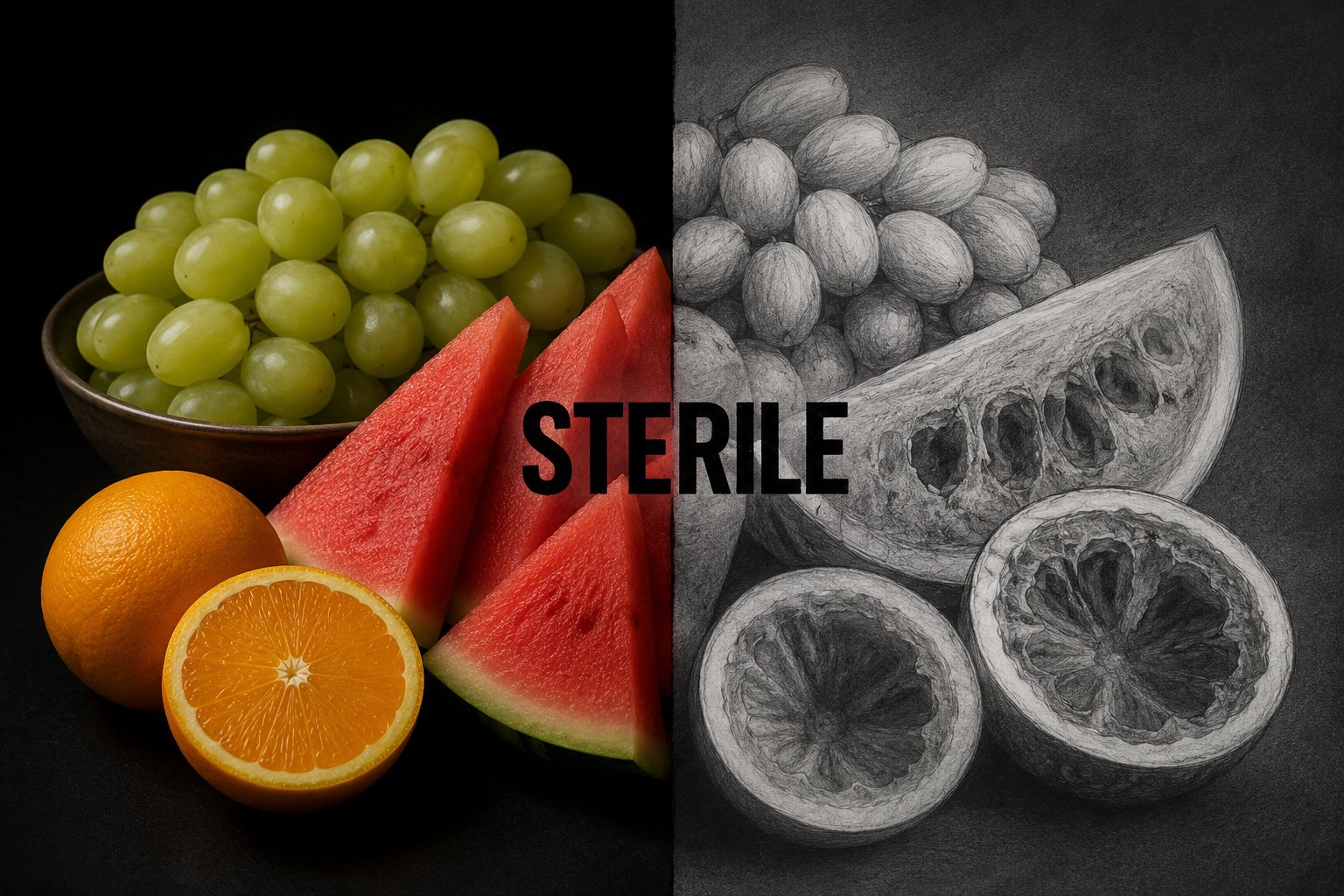
Every seedless grape you eat, every navel orange you peel, every watermelon slice without a pip β none of them can grow another plant. That is not a coincidence. It is a design. And the same logic is being applied to the entire food supply by a handful of corporations that now control most of the world's seeds.

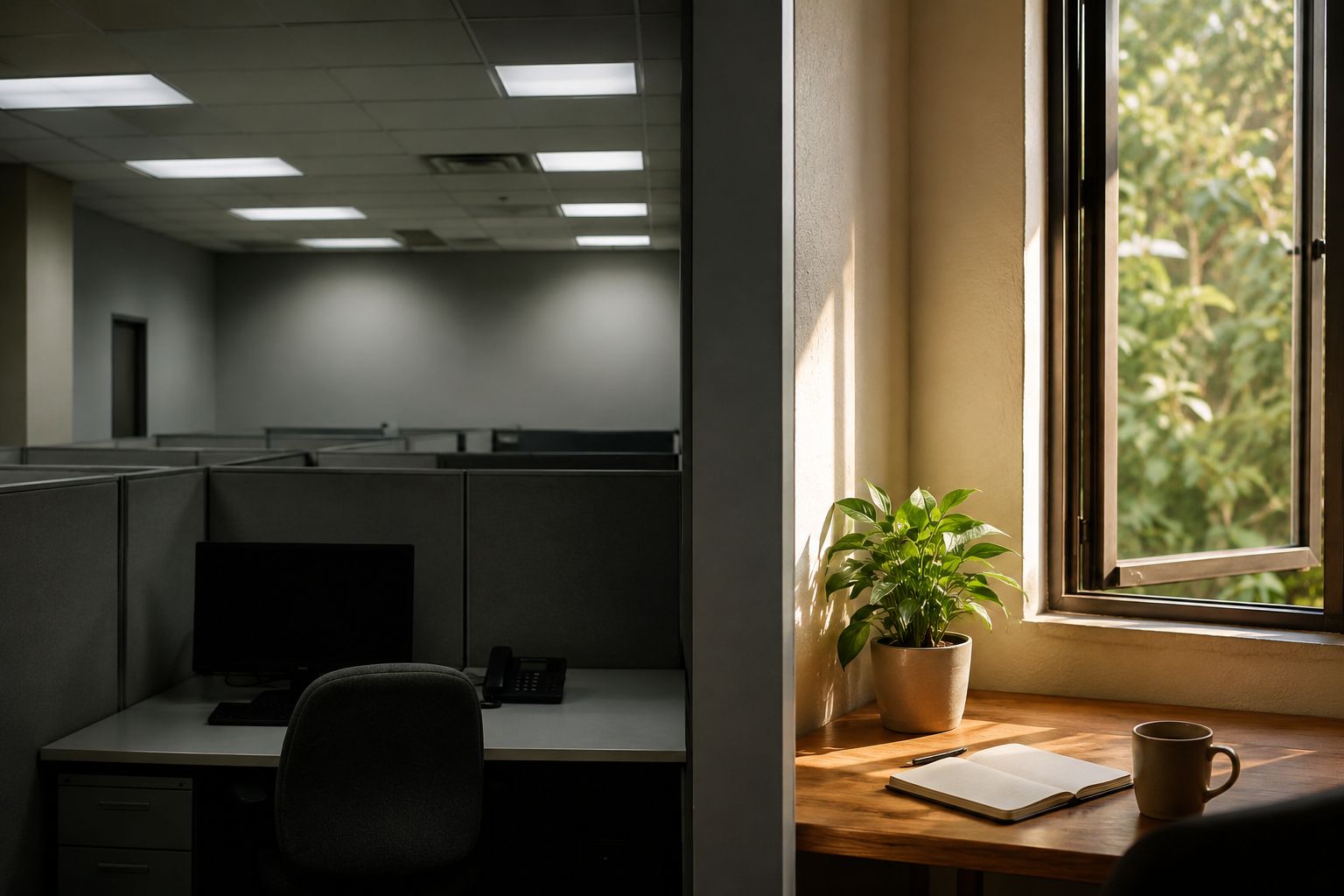
Everyone blames the chair. The actual research says something different β sitting alone barely moves your stress hormones. What really does is something almost no one talks about: a windowless room with nothing alive in it.

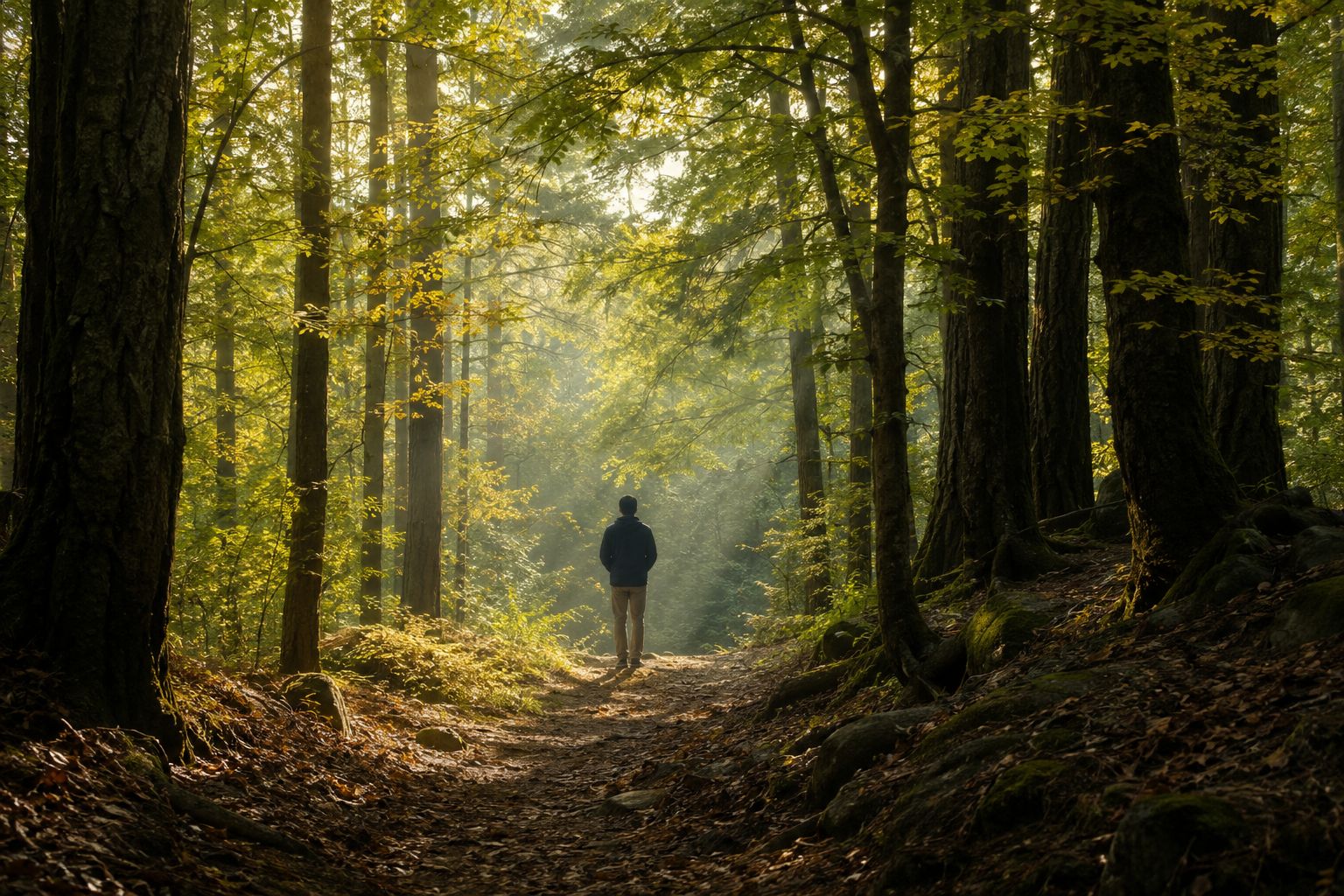
Japan calls it Shinrin-yoku β "forest bathing." It's not exercise, not a hike, just slow time among trees. Science has now measured exactly what it does to your stress hormones, your mood, and your body β and there's a simple way to get the same effect without a forest.

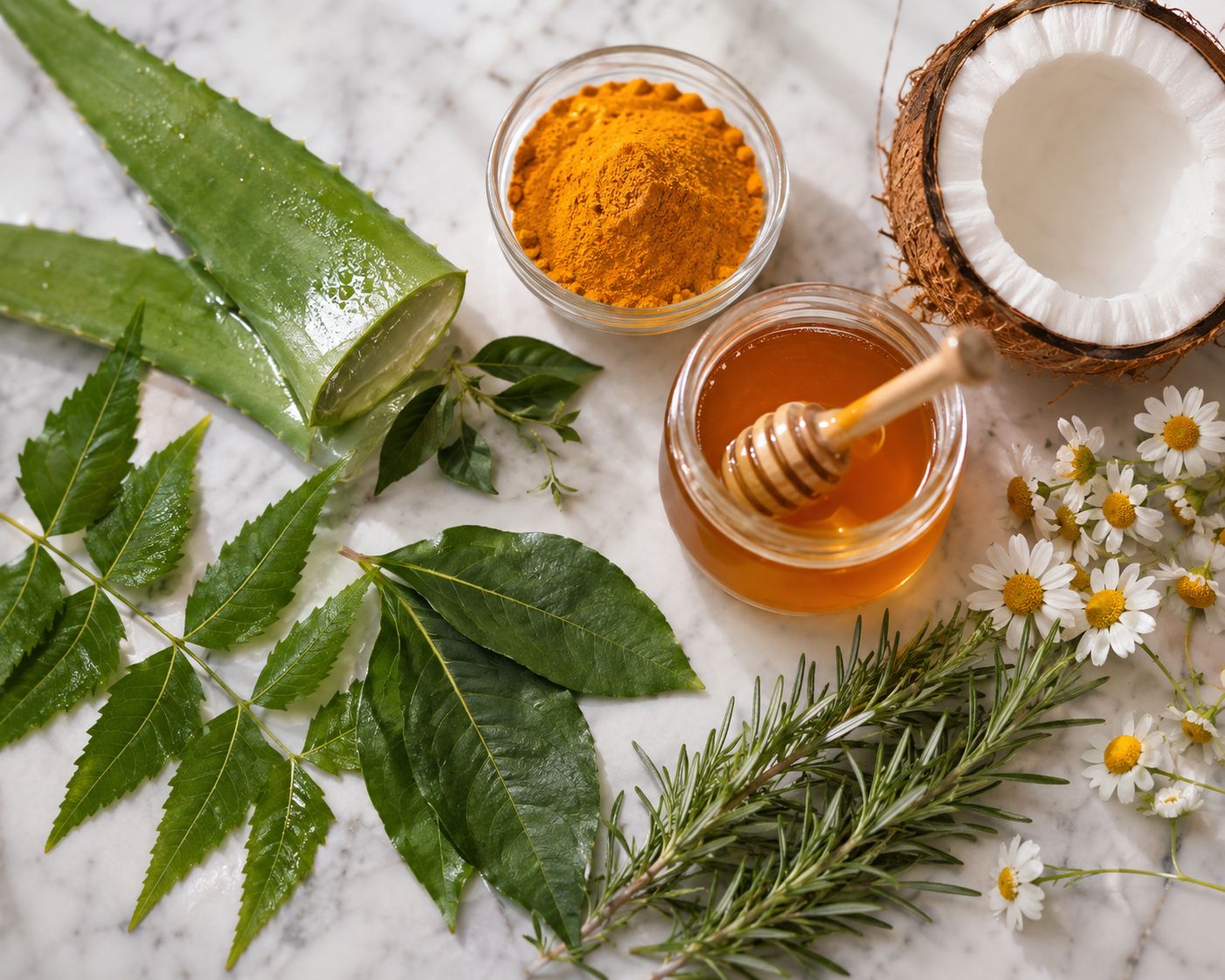
Your garden and kitchen already contain the most effective skincare and haircare ingredients on earth. Research published in peer-reviewed journals confirms what people have known for centuries β certain plants work. Here is the complete guide, problem by problem.

Nine out of ten people reported high or extreme stress last year. Burnout is at a six-year high. The medical establishment has known about a free, accessible solution for decades. Most people have never heard about it.

Researchers at some of the world's leading universities have spent decades trying to understand what actually makes people feel better. The answer keeps pointing to the same thing β and it fits on a windowsill.

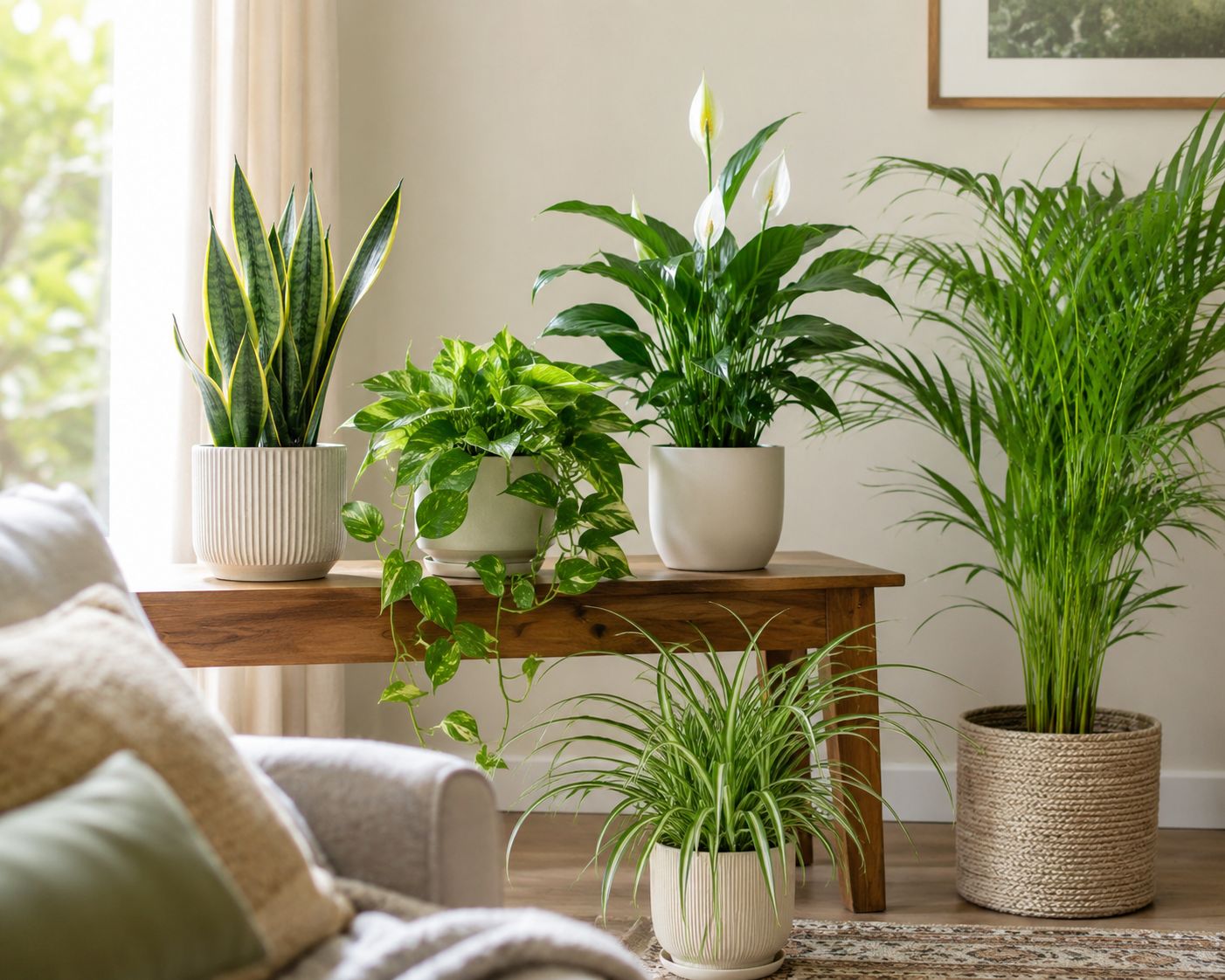
Five plants, one bundle, and a genuine reason each one is in it. This is the exact set of NASA-studied air-purifying houseplants that survive Pakistani homes, tolerate low light, and actually do something about the stale, sealed-up air most of us breathe indoors all day.