Willow Bark to Aspirin: The Tree That Gave Us the World's Most-Used Painkiller
Your headache tablet started life as tree bark. For thousands of years, people chewed willow bark for pain and fever, and in 1897 a chemist turned it into aspirin.
Loading articles...
Expert plant care guides, growing tips, and nature stories to help you nurture your green journey — from seed to bloom.
Page 1 of 4 (36 articles)

Your headache tablet started life as tree bark. For thousands of years, people chewed willow bark for pain and fever, and in 1897 a chemist turned it into aspirin.

In 2001, a biotech company announced it had engineered corn to produce anti-sperm antibodies. The research vanished from public view within months. The companies that acquired it are the same companies now receiving hundreds of millions of dollars to feed Africa and South Asia. These are the documented facts. Draw your own conclusions.

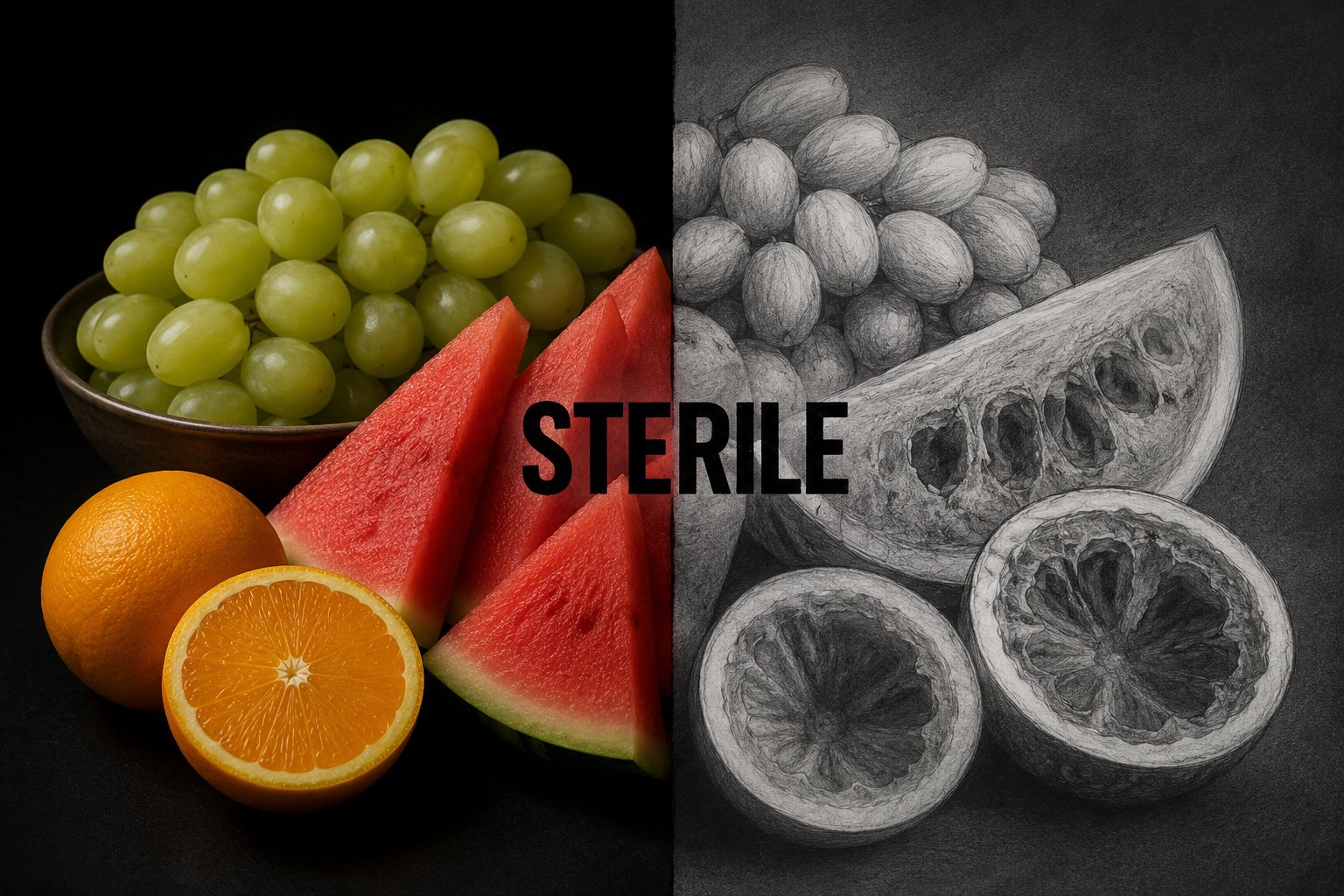
Every seedless grape you eat, every navel orange you peel, every watermelon slice without a pip — none of them can grow another plant. That is not a coincidence. It is a design. And the same logic is being applied to the entire food supply by a handful of corporations that now control most of the world's seeds.

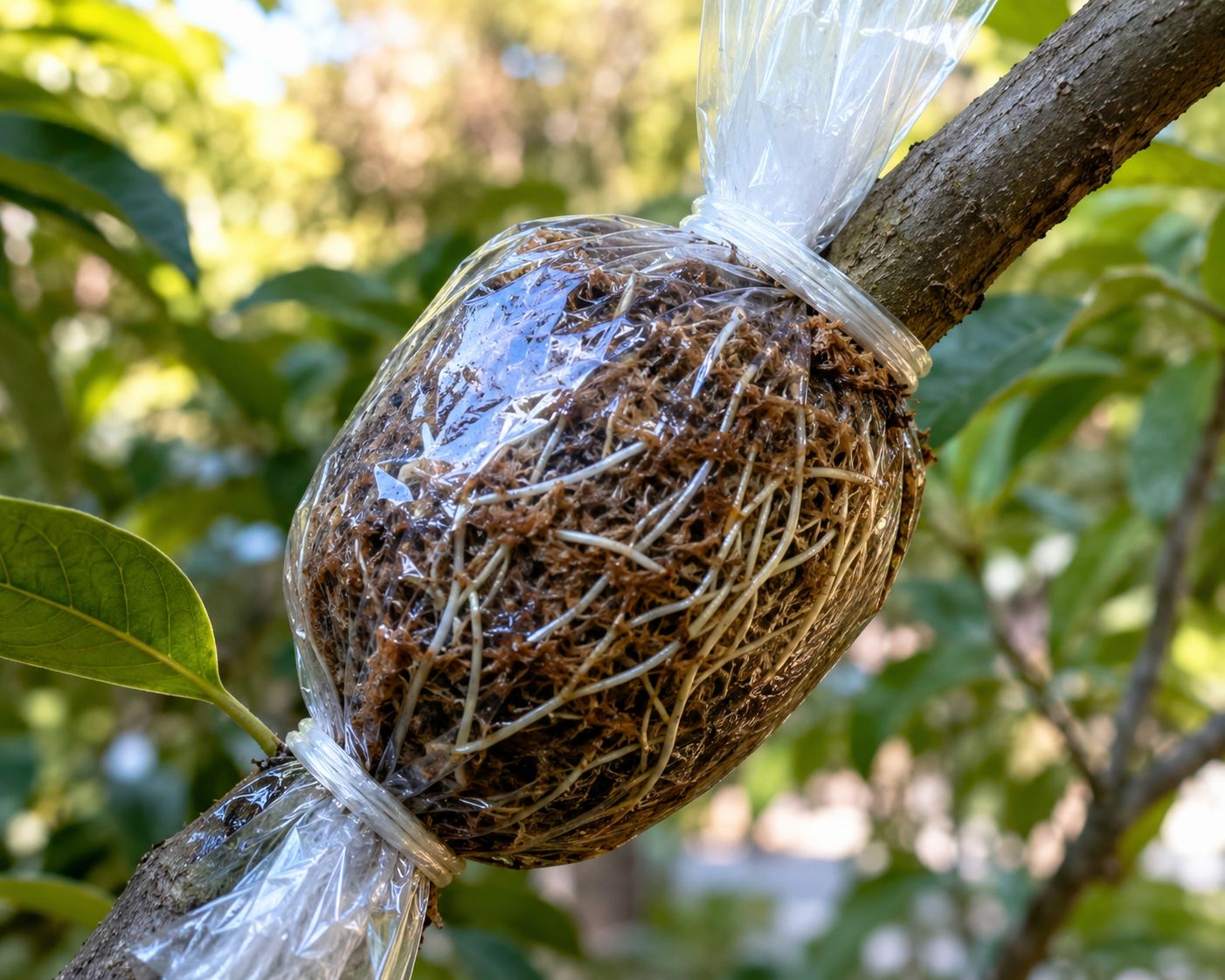
Air layering lets you grow a brand new plant from your best tree or shrub — while it is still attached to the parent, still being fed, and almost guaranteed to survive. No seeds. No cuttings dying in a glass of water. Just roots forming in thin air, ready to be separated and gifted.

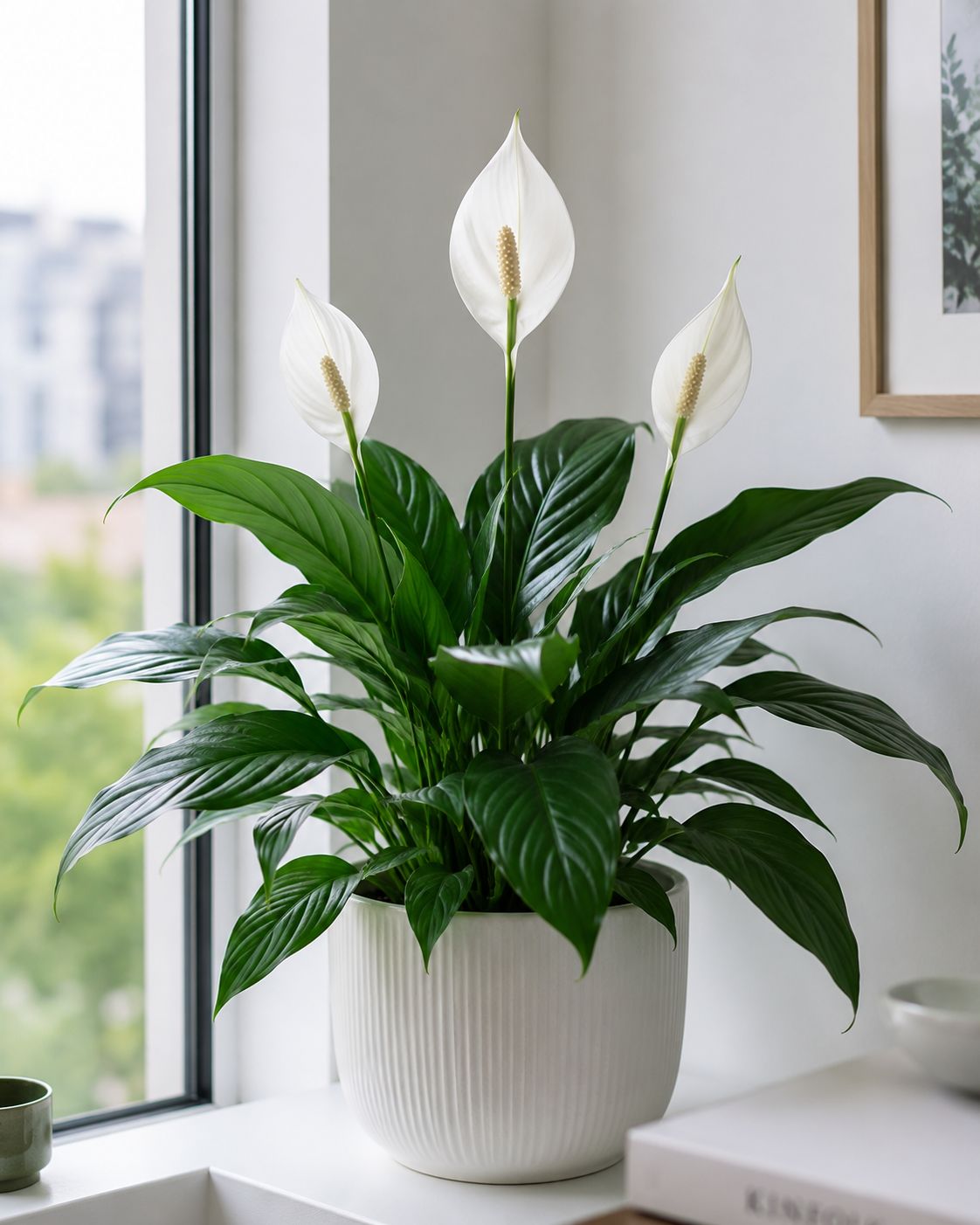
Peace lily does something almost no other flowering houseplant does — it blooms in low light, tells you when it needs water by drooping dramatically and then perking straight back up, and fills a room with elegant white flowers without asking for much in return. Here is the complete guide.

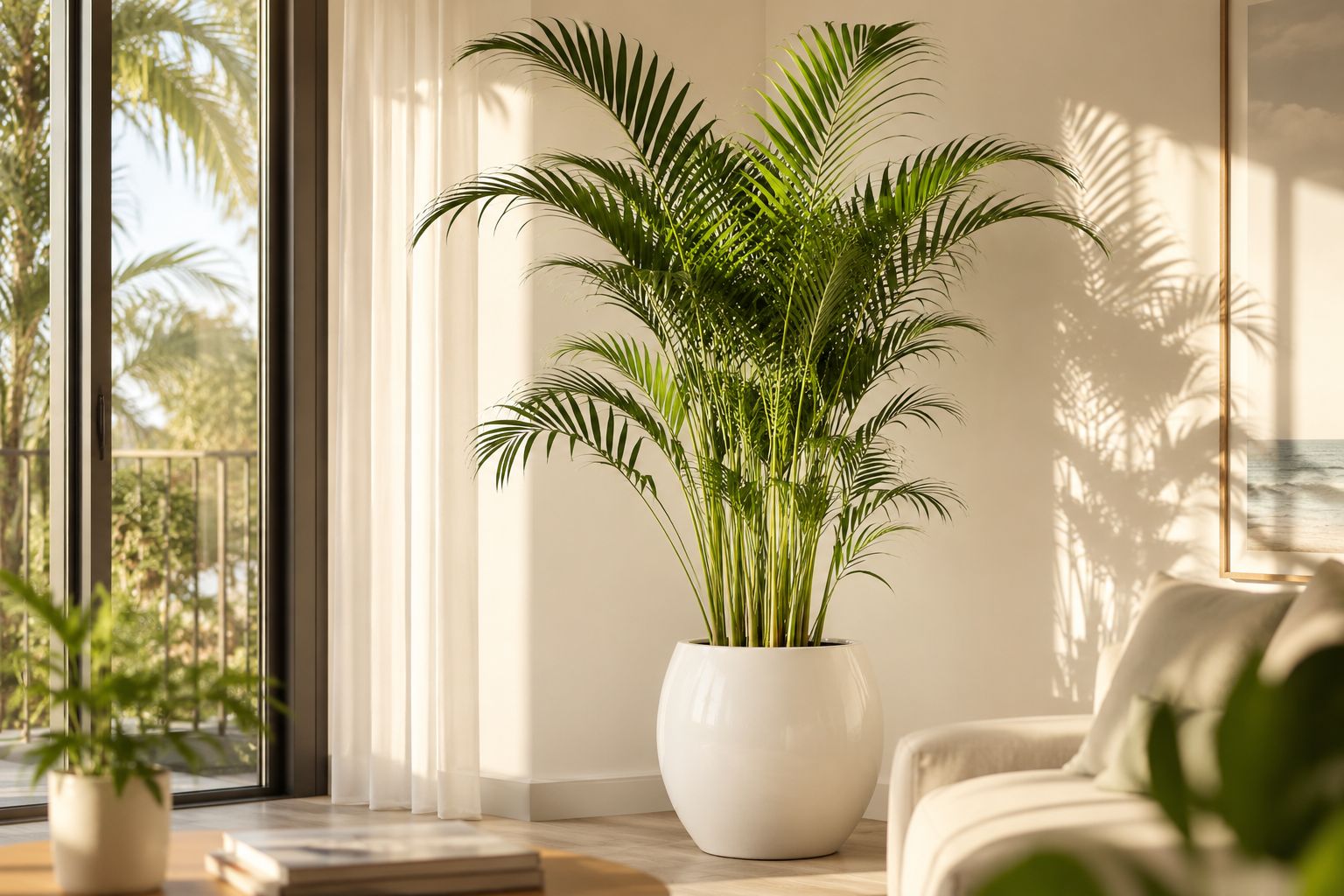
Areca palm brings the feeling of a tropical resort into any room — tall feathery fronds arching outward, golden cane-like stems, a lush density that transforms a corner completely. It is also one of the best natural humidifiers you can grow indoors. Here is everything you need to know to grow one well.

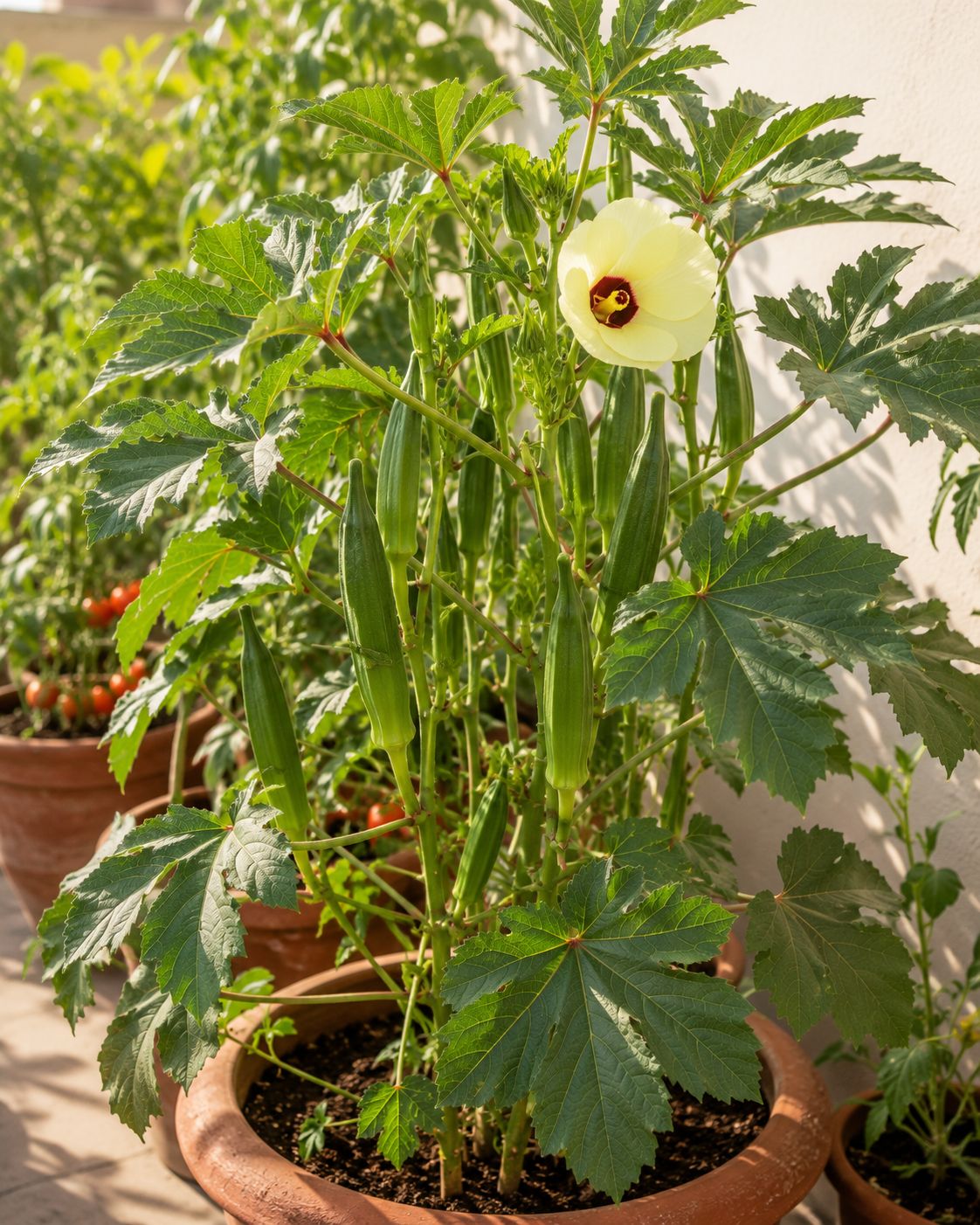
Okra is one of the most productive vegetables you can grow in a pot. Give it full sun, warm soil, and a container big enough to stretch its roots — and it will reward you with tender pods every other day from midsummer right through to autumn. Here is the complete guide.

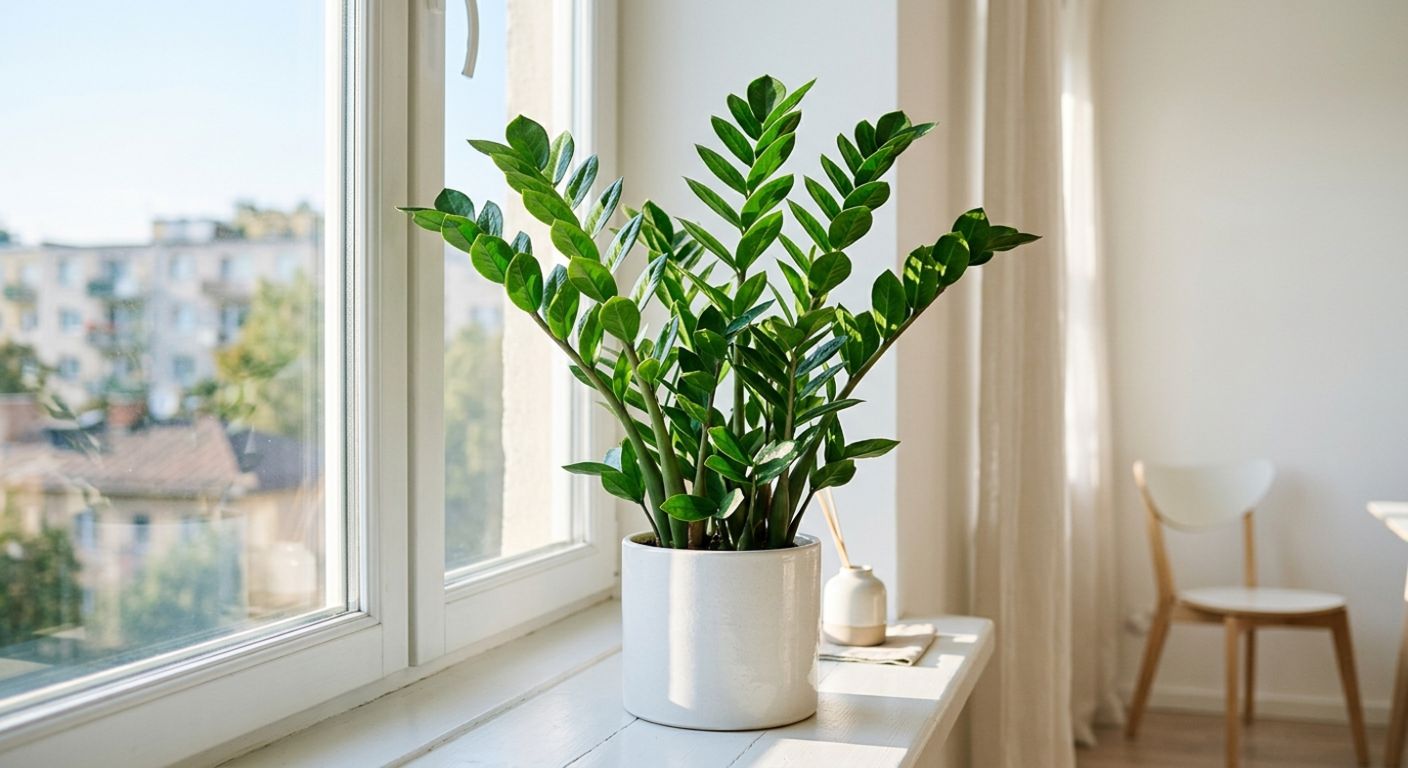
ZZ plant survives low light, weeks without water, neglect, dry air, and almost everything else a home can throw at it. Glossy, architectural, and quietly stunning — here is the complete guide to growing one successfully and understanding exactly why it is almost impossible to kill.

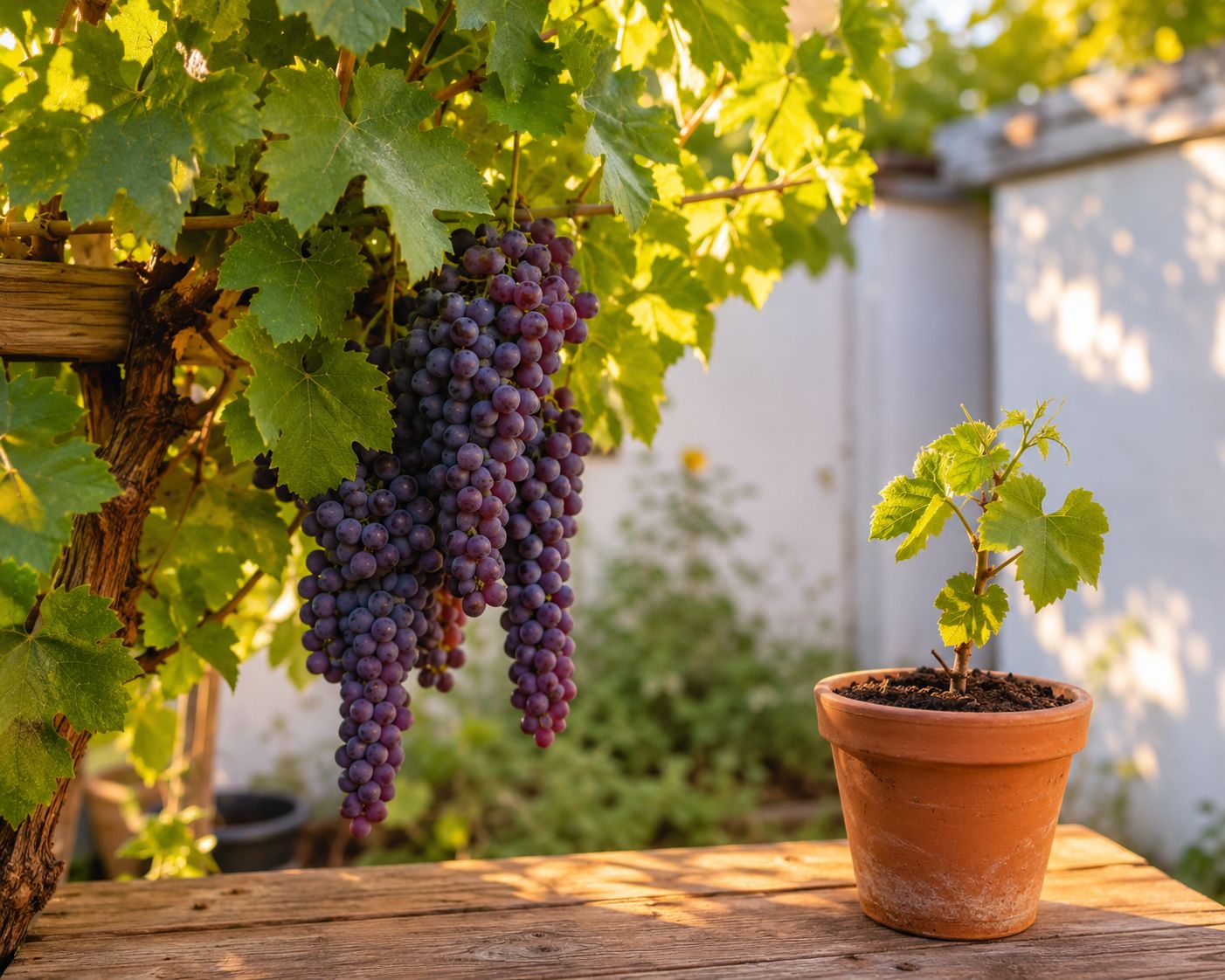
You do not need a vineyard, expensive rootstock, or years of experience to grow grapes. A single cutting from a healthy vine — taken in the right season, prepared correctly, and planted with patience — becomes a fruit-bearing plant that can last decades. Here is exactly how to do it.

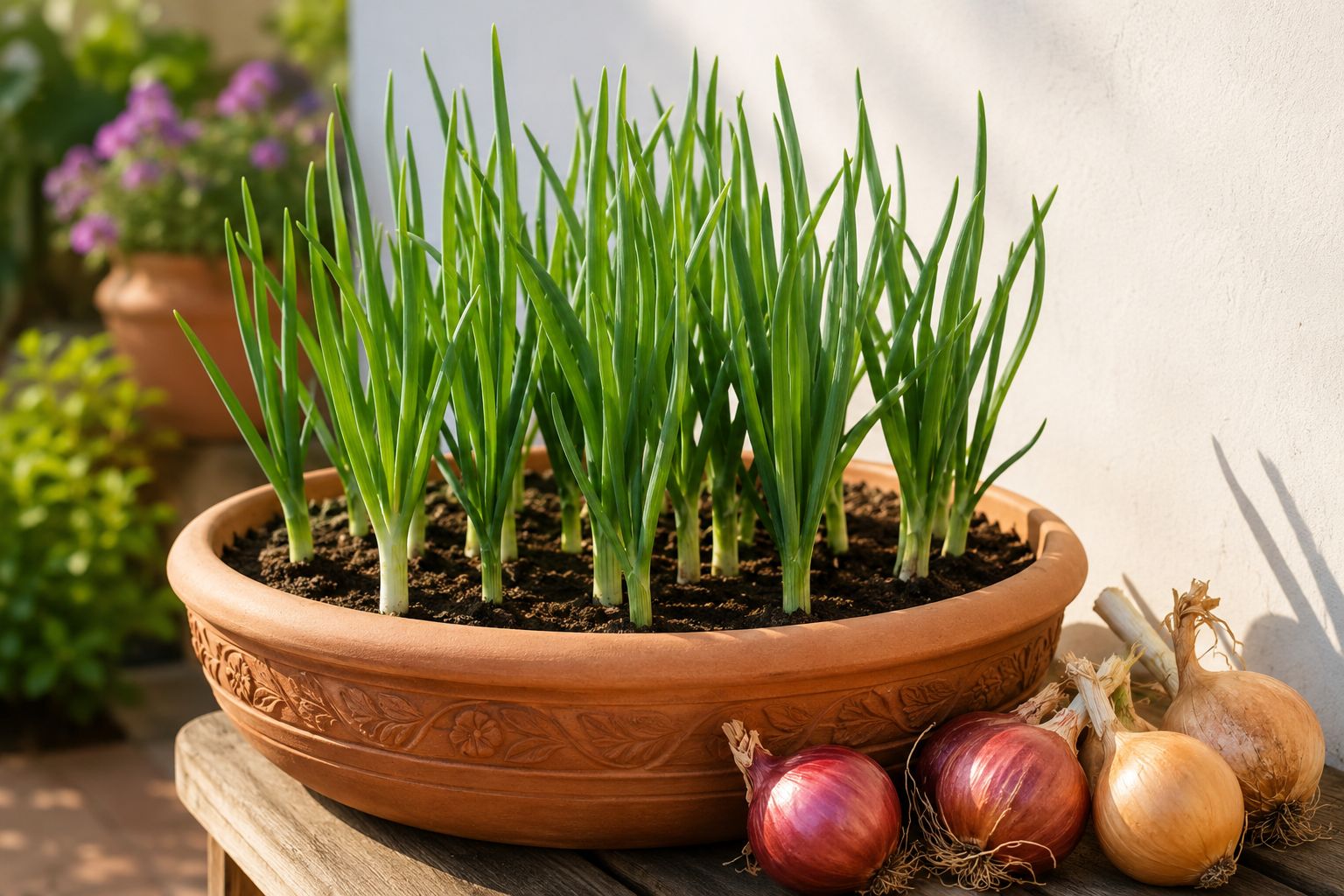
Onions go into almost everything you cook. Growing them at home is slower than herbs but simpler than most people think — and one well-tended pot gives you enough to store for months. Here is the complete beginner guide.

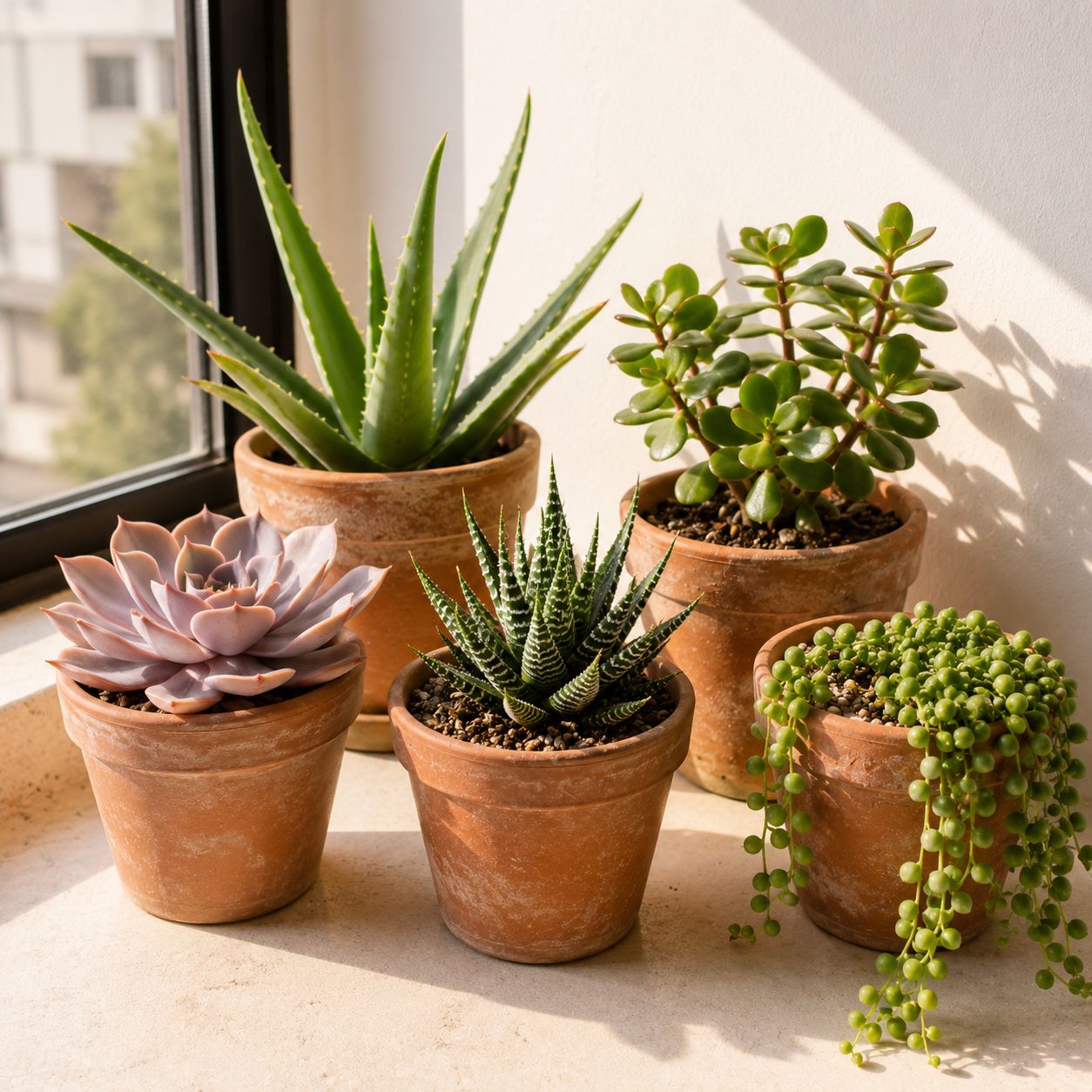
Succulents are sold as the perfect plant for people who forget to water things — and that is mostly true. But there is one thing most beginner guides get wrong about growing them indoors. Fix that one thing and everything else is easy. Here is the complete, honest guide.

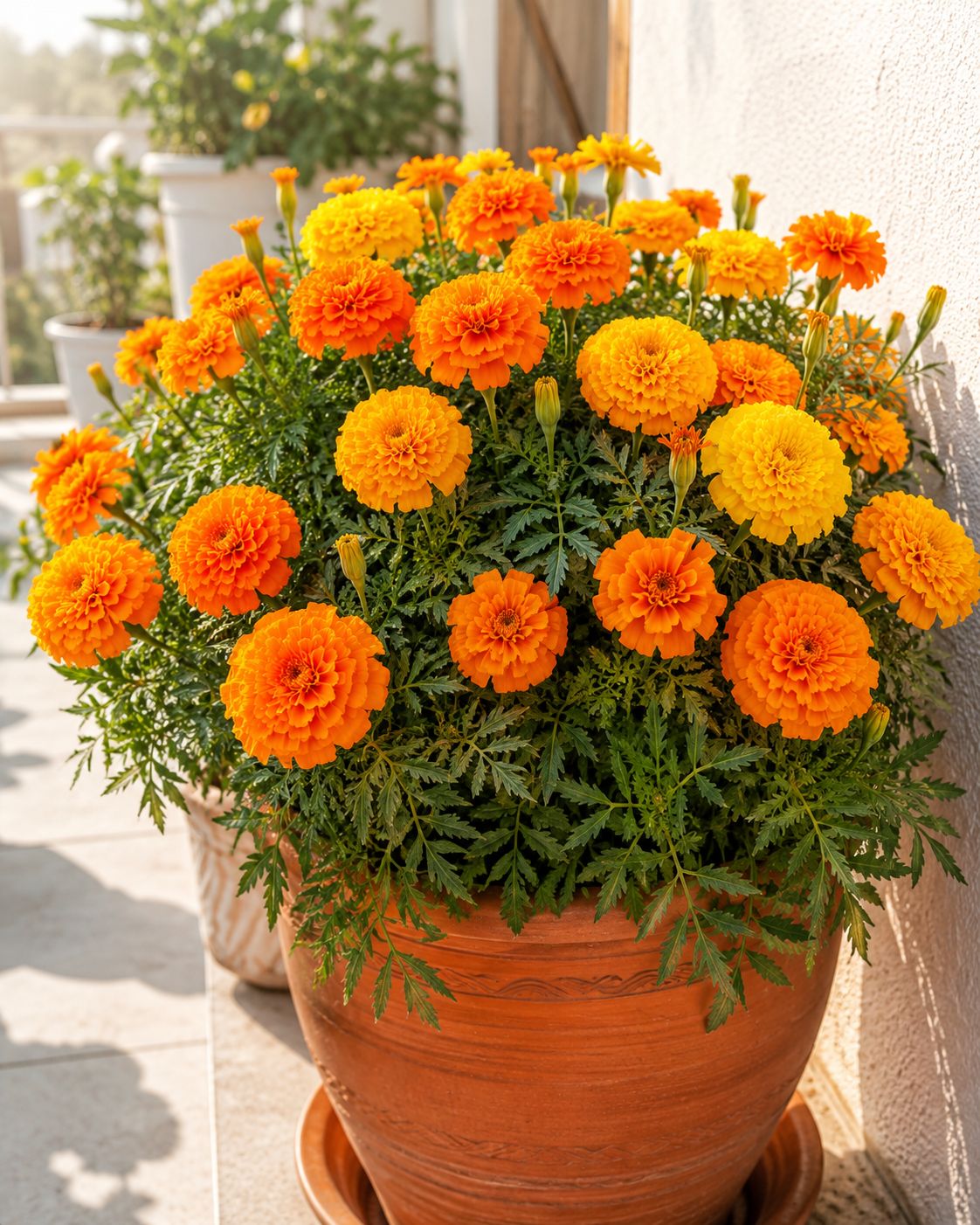
Marigold is the most generous flower you will ever grow. Sow seeds today and have blazing orange and yellow blooms in eight weeks — blooms that keep coming all season, repel pests from your vegetables, attract butterflies, and self-seed so freely you may never need to buy seeds again.

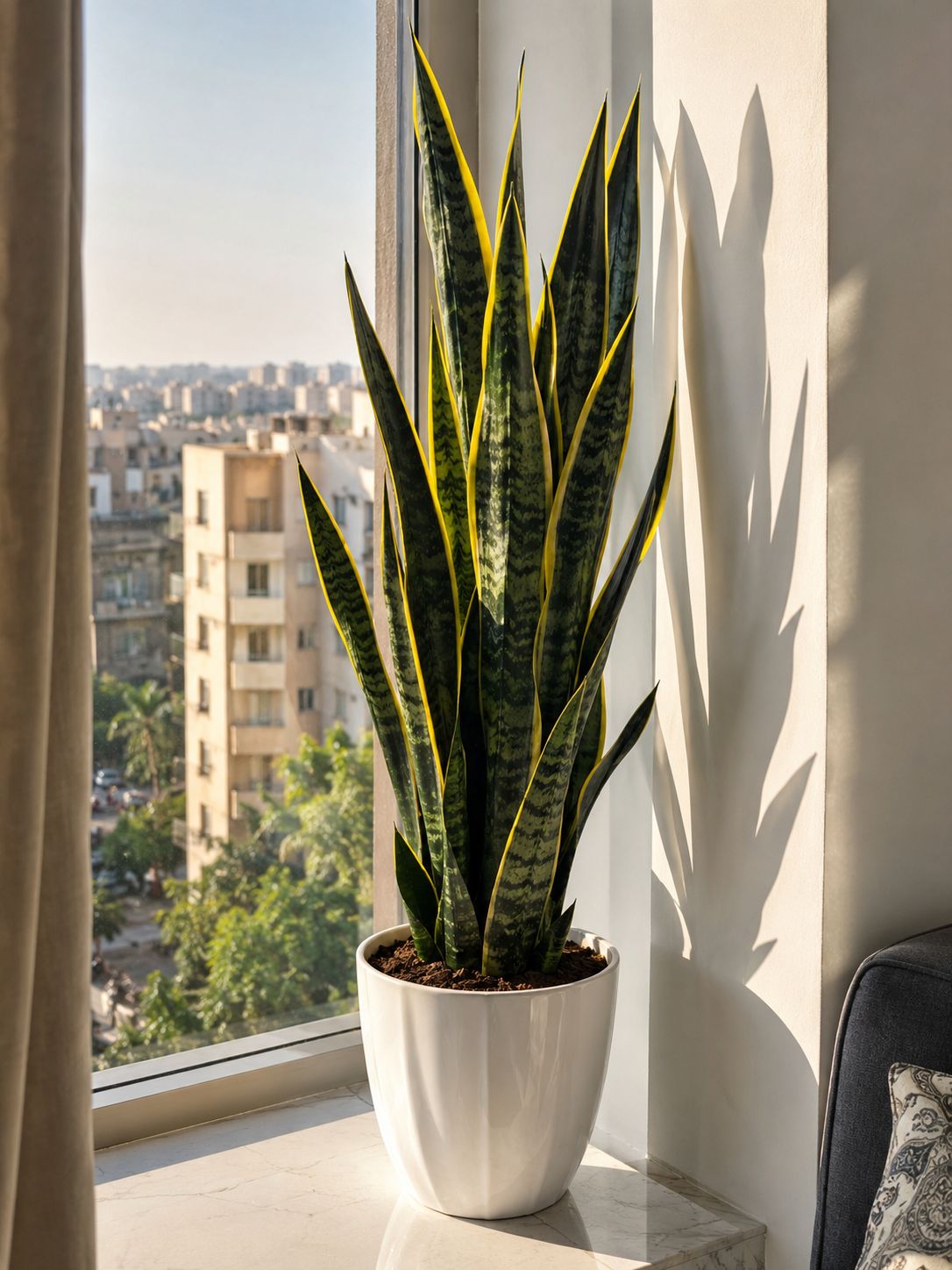
Snake plant is the most forgiving houseplant alive. It tolerates low light, irregular watering, forgotten schedules, and dusty corners — and it looks architectural and beautiful doing it. Here is everything you need to know to grow one and keep it healthy for years.