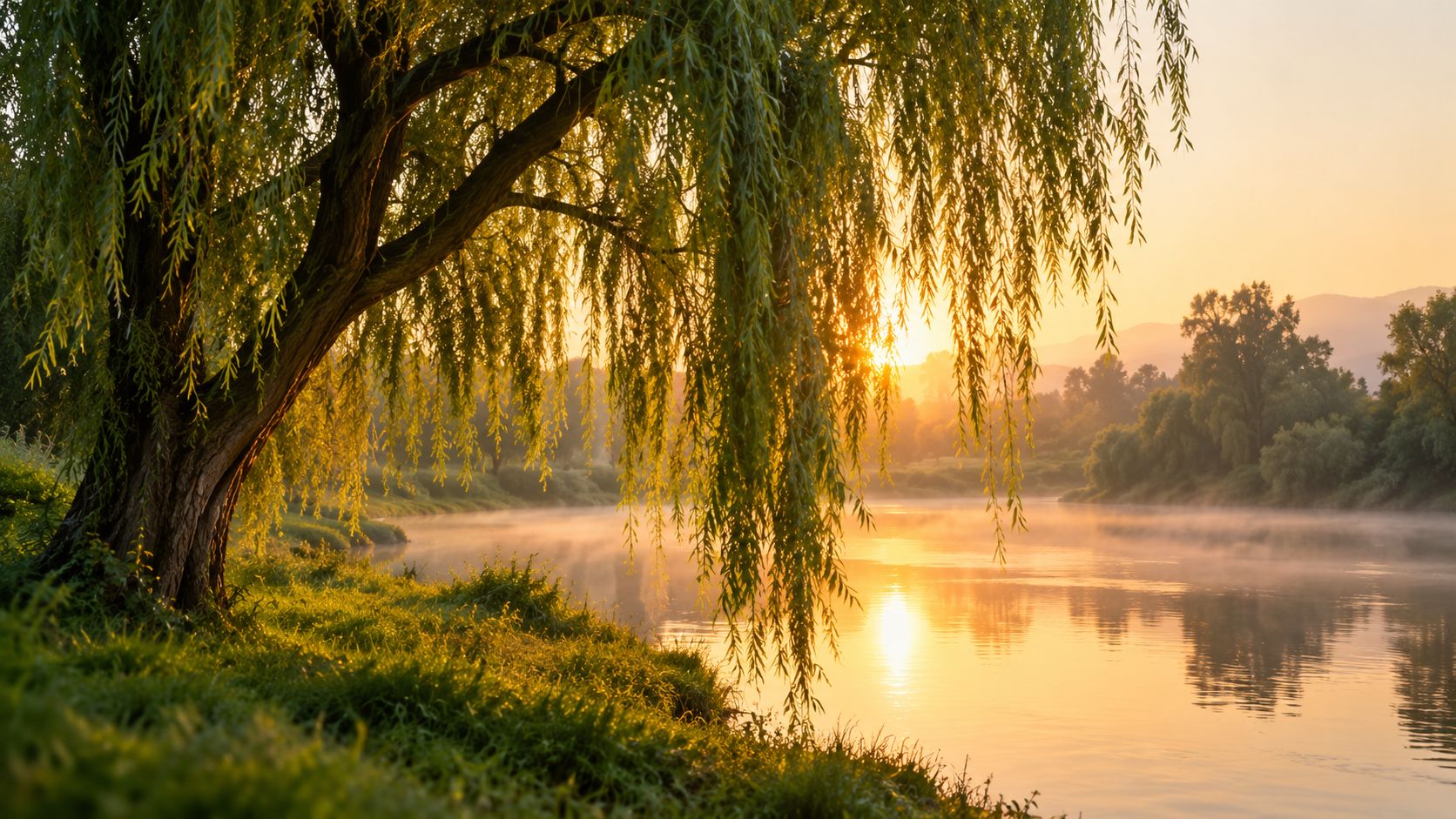
Willow Bark to Aspirin: The Tree That Gave Us the World's Most-Used Painkiller
Your headache tablet started life as tree bark. For thousands of years, people chewed willow bark for pain and fever, and in 1897 a chemist turned it into aspirin.
Loading articles...
Expert plant care guides, growing tips, and nature stories to help you nurture your green journey — from seed to bloom.

Your headache tablet started life as tree bark. For thousands of years, people chewed willow bark for pain and fever, and in 1897 a chemist turned it into aspirin.

In 2001, a biotech company announced it had engineered corn to produce anti-sperm antibodies. The research vanished from public view within months. The companies that acquired it are the same companies now receiving hundreds of millions of dollars to feed Africa and South Asia. These are the documented facts. Draw your own conclusions.

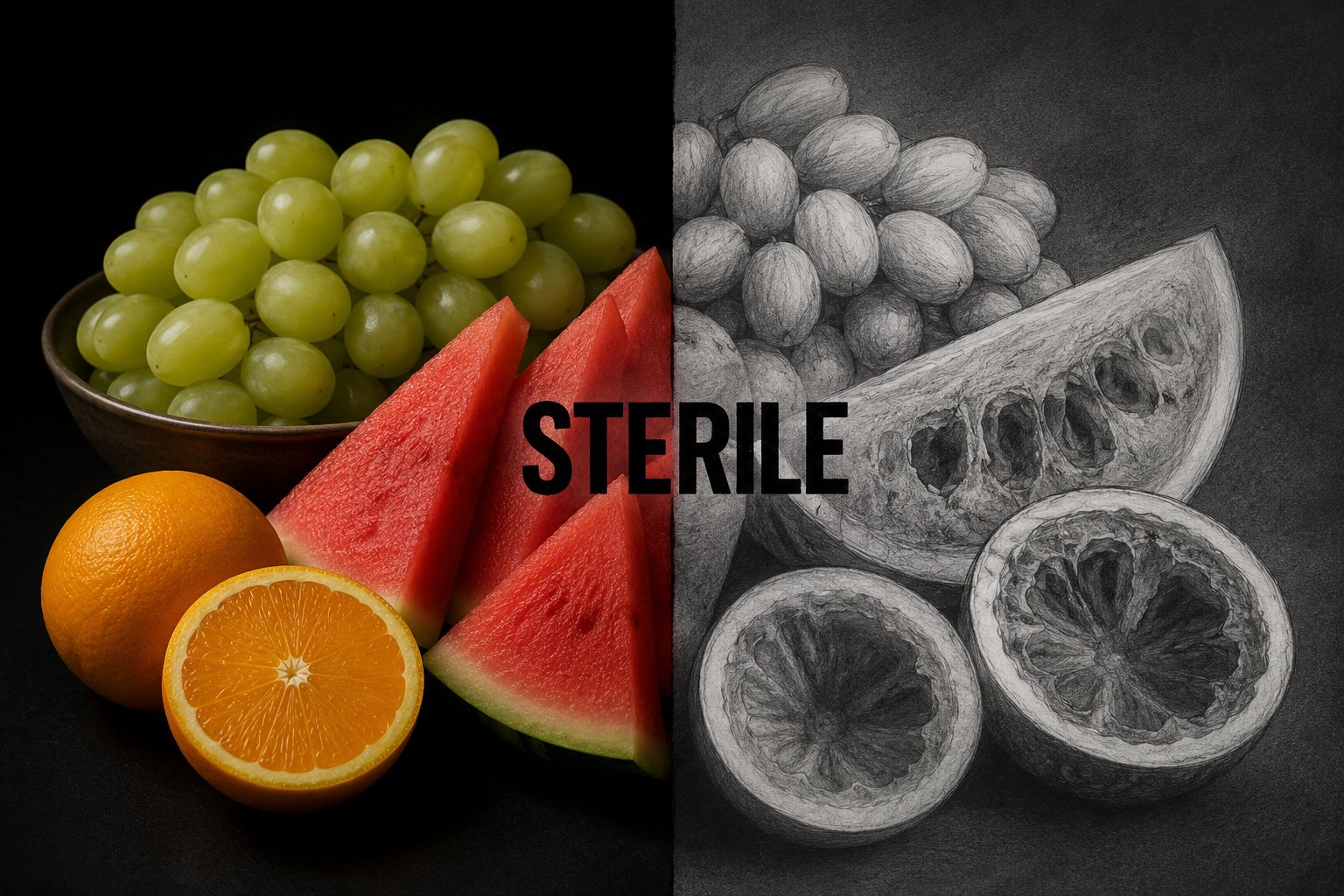
Every seedless grape you eat, every navel orange you peel, every watermelon slice without a pip — none of them can grow another plant. That is not a coincidence. It is a design. And the same logic is being applied to the entire food supply by a handful of corporations that now control most of the world's seeds.

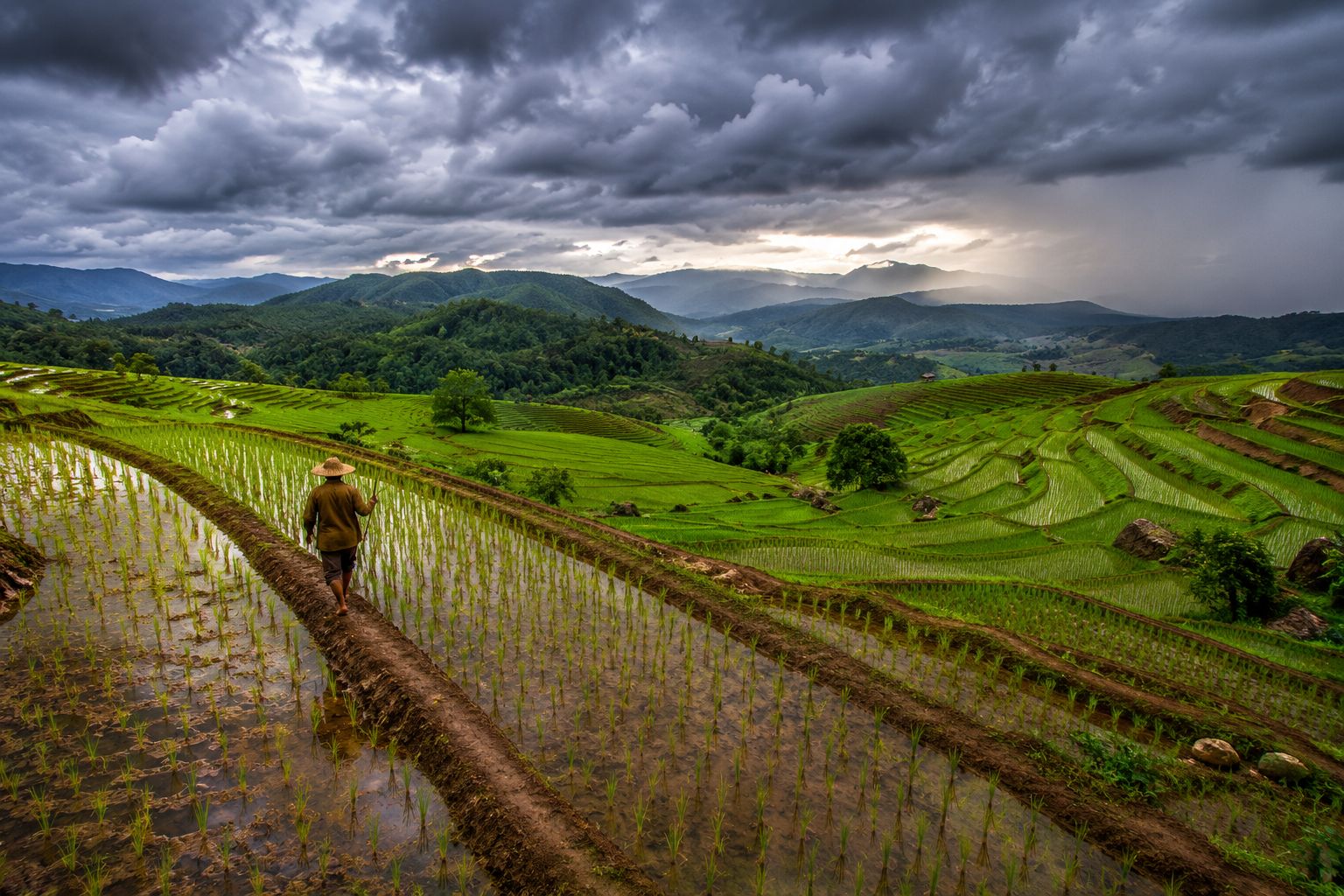
Forget frost. Across South Asia, the question that decides your entire growing year is which monsoon reaches your land, and when. Four countries, four rainfall patterns, one radically different way of thinking about a planting calendar.

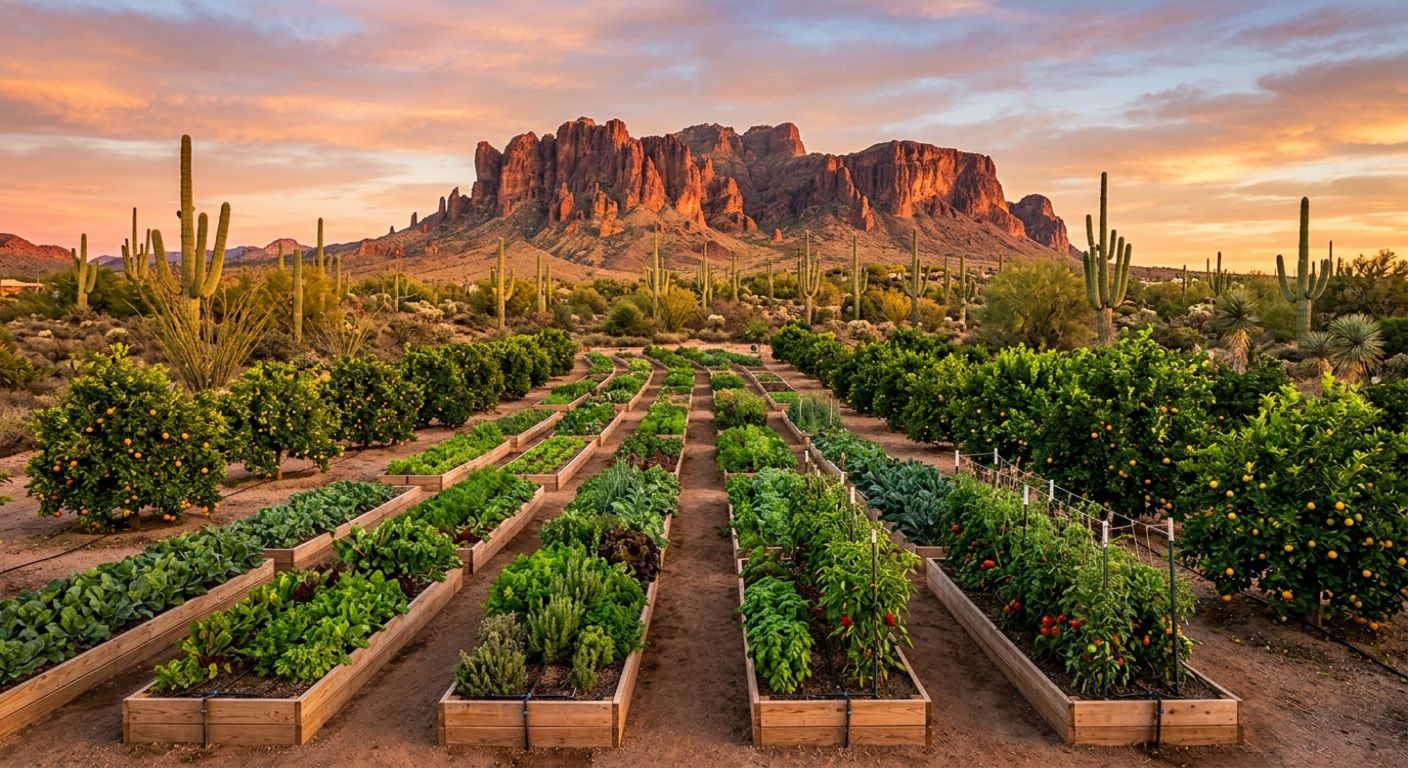
Here, winter is mild, frost is rare or absent, and summer can be the one season your garden needs a break from. Southern California, Arizona, Nevada, and New Mexico share a climate built around heat, not cold — and the planting calendar has to be built the same way.

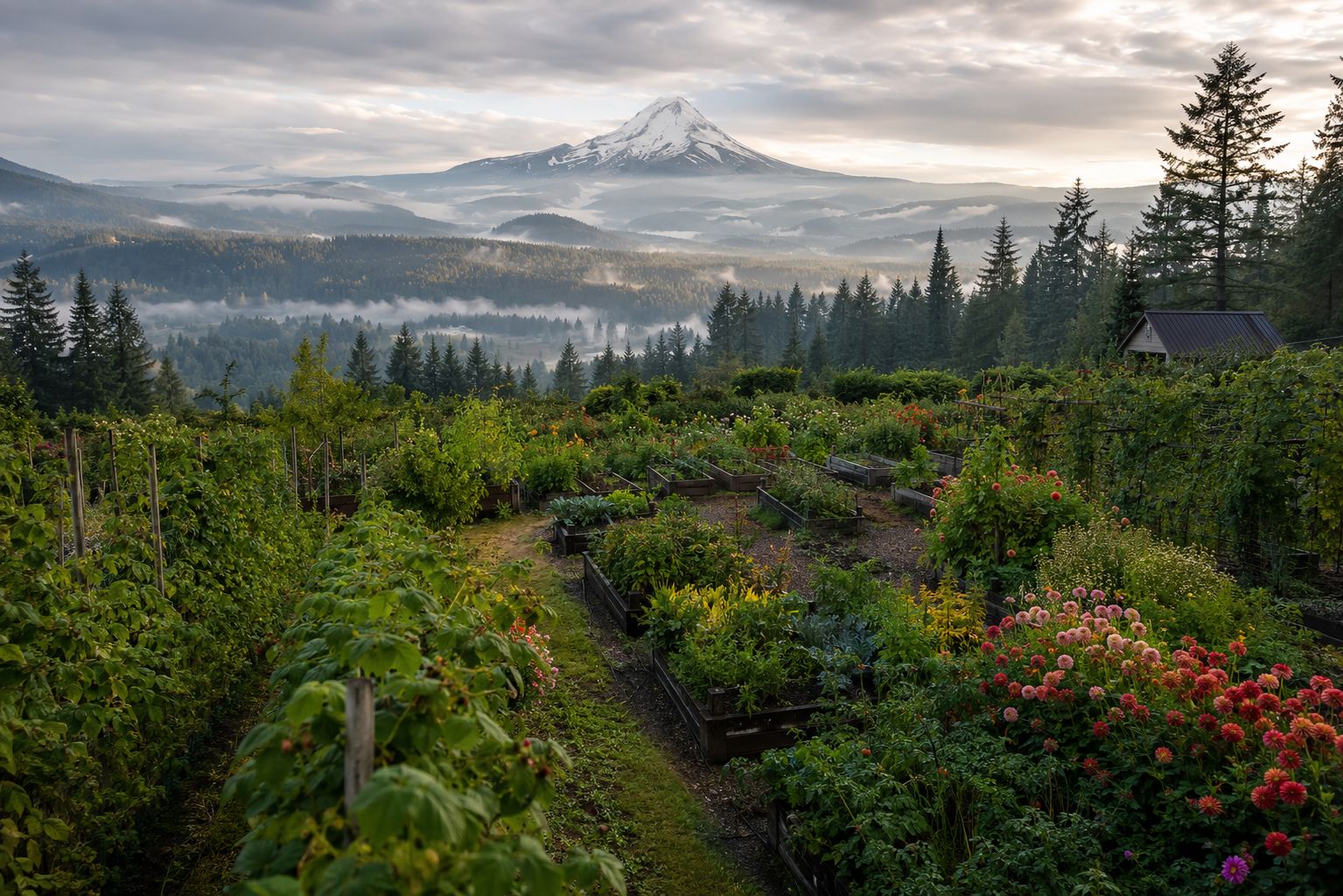
The Pacific Northwest doesn't garden on the same clock as the rest of the country. Wet winters, a nearly rainless summer, and almost no real heat rewrite the rules for what grows and when. Here is the actual planting calendar, built around this region's real weather.