Contraceptive Corn, Corporate Seeds, and the Hunger Narrative
In September 2001, a small biotechnology company based in San Diego held a press conference. The announcement was unusual enough that it made the pages of The Guardian and the New York Times. Mitch Hein, the president of Epicyte Corporation, pointed to rows of corn plants growing in a greenhouse and made a statement that should have triggered years of public debate.
"We have a hothouse filled with corn plants that make anti-sperm antibodies," he said.
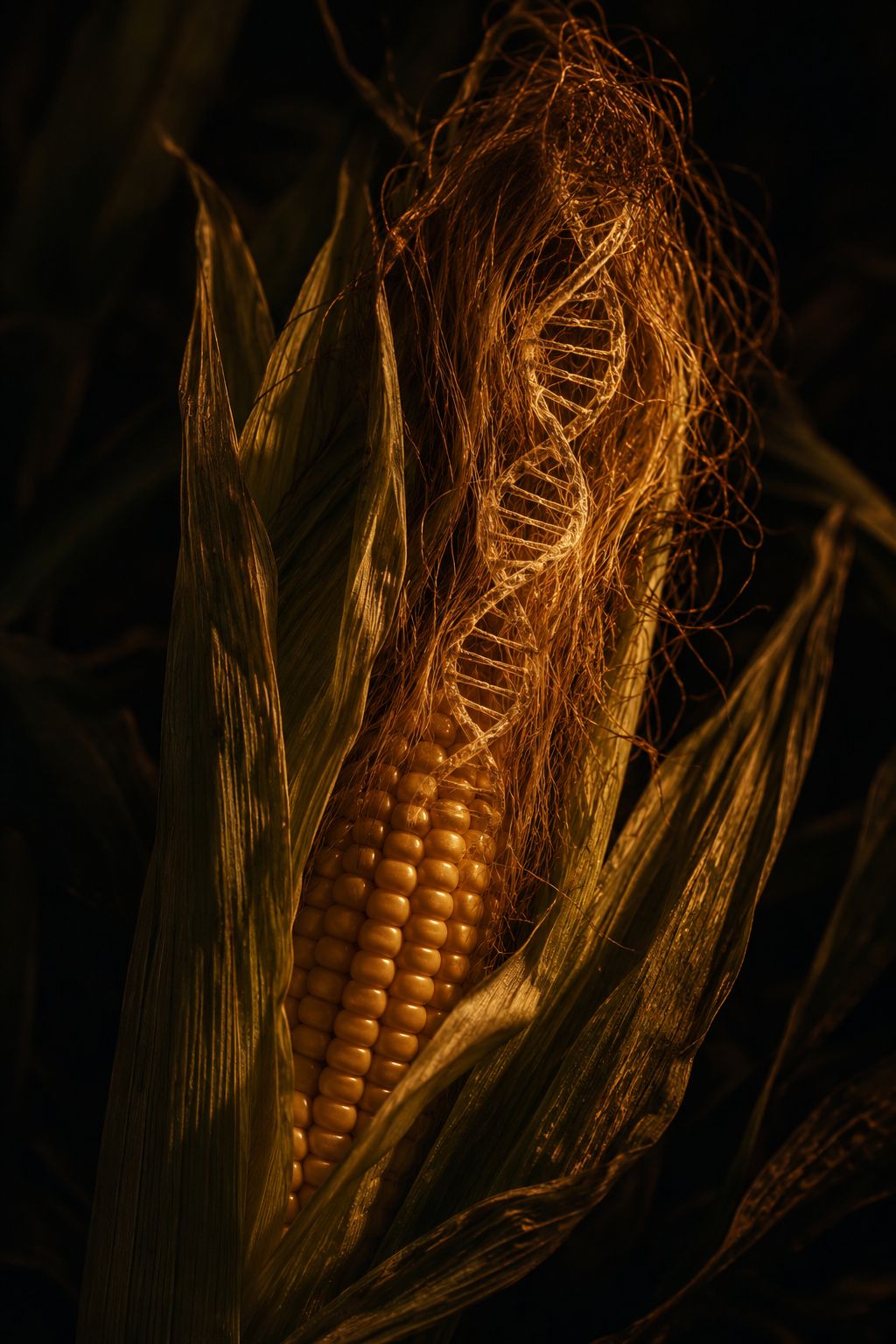
Epicyte's scientists had isolated a rare class of human antibodies that attack and immobilise sperm. They had spliced the genes that produce these antibodies into corn plants. The corn, when consumed, would cause the human body — both male and female — to produce antibodies that neutralise sperm. Hein described the effect plainly: men who ate the corn would produce antibodies to their own sperm, reducing fertility. Women who ate it would produce antibodies that attacked sperm after intercourse.
Epicyte presented this as a potential solution to overpopulation. A contraceptive that could be grown in a field, harvested, processed, and distributed at a fraction of the cost of pharmaceutical birth control. A crop that anyone who ate corn — which is most of the world — could consume without knowing.
Within months of that press conference, the story disappeared from public view.
What Happened to Epicyte
In May 2004, Epicyte Pharmaceutical was quietly acquired by Biolex, a private biotechnology company in North Carolina. No major press release. No media coverage. The contraceptive corn research — and all of Epicyte's patents — went with it.
Then DuPont and Monsanto, two of the world's largest agrochemical corporations, acquired rights connected to the Epicyte research and its parent technology. Monsanto itself later stated on its official GMO Answers website that it had no agreements with Epicyte or Biolex to conduct joint research. That denial is notable. It is the kind of statement a company makes when the question is being asked loudly enough to warrant a response.
The USDA had provided major funding to the original Epicyte research. American taxpayer money went into the development of corn engineered to produce anti-sperm antibodies.
The technology existed. It was patented. The patents were acquired by corporations that are now among the most powerful actors in the global food system. What happened to that research after 2004 is not publicly known. What happened to the corn plants in that San Diego hothouse is not publicly documented.
The question of whether this research was shelved, continued privately, or integrated into broader seed programmes is not answerable from publicly available information. What is answerable is the question of who ended up holding the technology — and what those same entities have done since.
The Man With $170 Million for GMO Crops in Africa
Bill Gates has described GMO crops as "a technique that promises to solve nutrition problems, solve productivity problems, and solve crop disease problems for African farmers." That quote comes from a 2015 interview, cited in a peer-reviewed 2023 study published in the journal Development and Change.
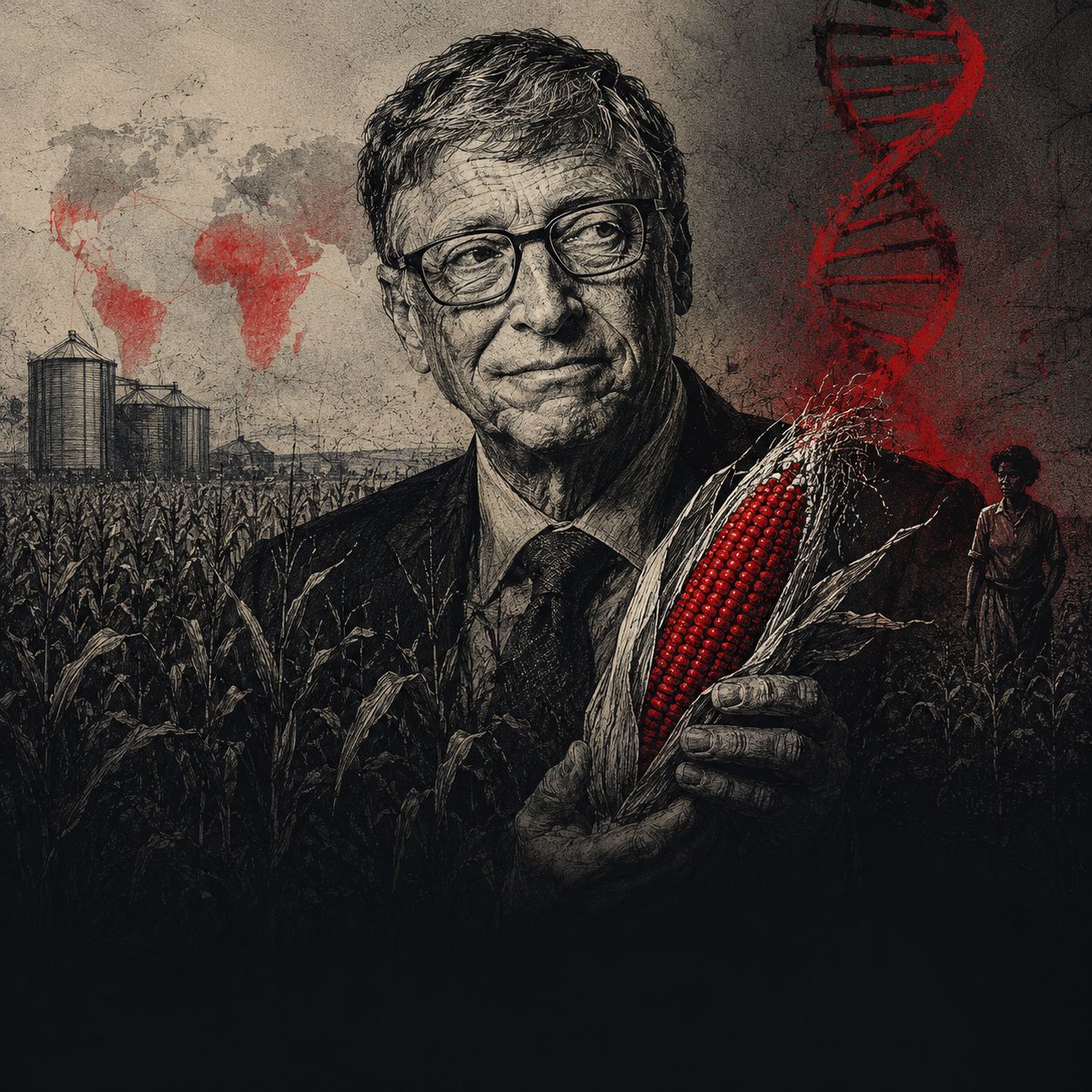
The Bill and Melinda Gates Foundation has invested over $170 million directly into GMO crop development in Africa, according to GRAIN, an international organisation that monitors corporate control of food systems. It is described by multiple researchers as one of the largest funders of GMO agriculture in the developing world.
In 2006, Gates and the Rockefeller Foundation jointly launched the Alliance for a Green Revolution in Africa — AGRA. The stated goals were clear: double crop yields and double incomes for 30 million farming households while cutting food insecurity in half across 20 African countries by 2020.
In September 2024, Gates visited Nigeria and announced a $2.8 billion investment in healthcare, nutrition, and agriculture. He pushed for faster regulatory approval of GMO crops and said to Nigerian officials: "The food that you import — it is GMO food. So if you want us to grow it, it is OK."
Gates Ag One, launched in early 2020, is described as an institute to speed up the development of new seeds and chemicals for sub-Saharan Africa and South Asia specifically. Its headquarters are in St. Louis, Missouri — the home city of Monsanto, now owned by Bayer.
What AGRA Actually Delivered
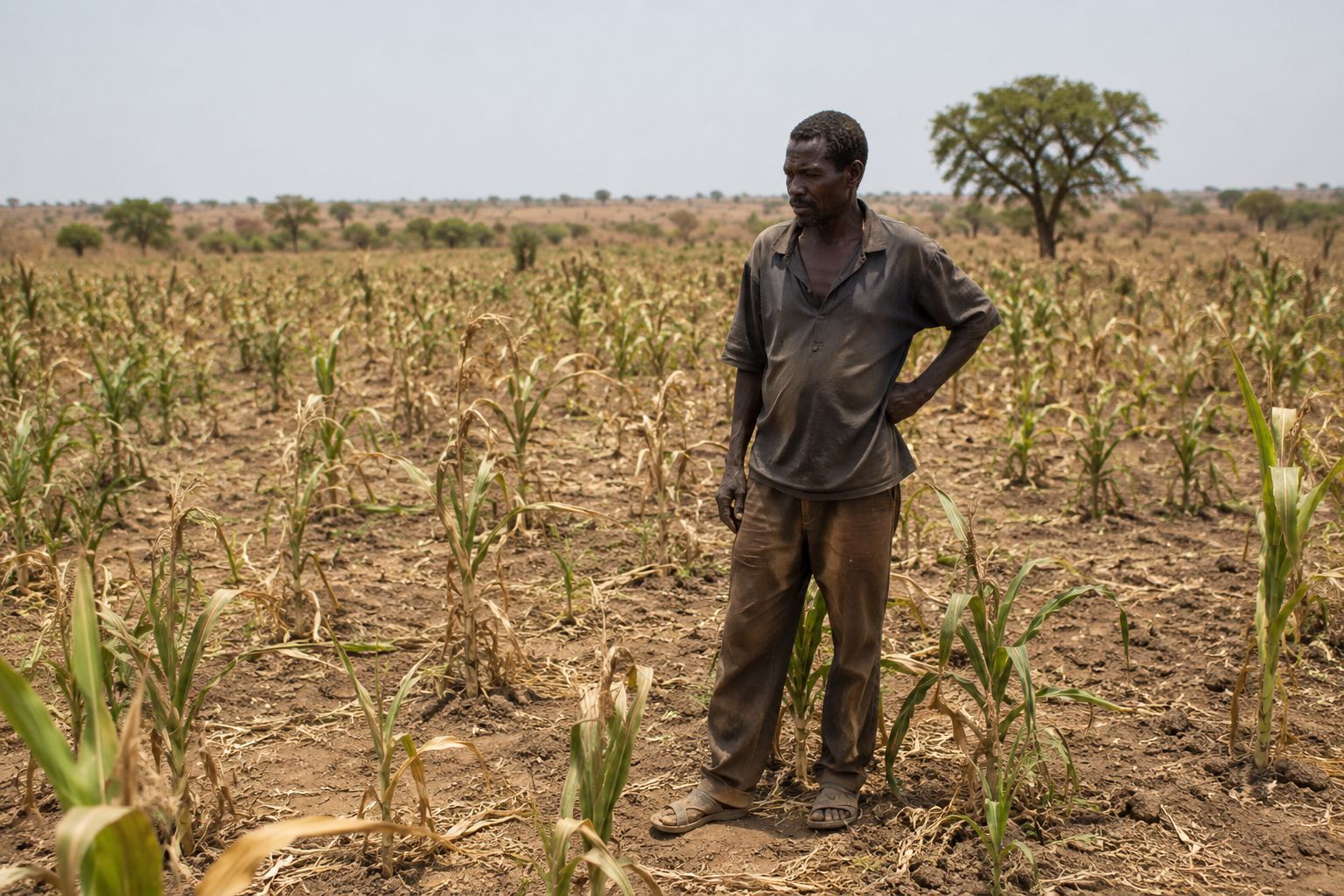
The results of AGRA's 14 years of operation have been documented by independent researchers, not by AGRA itself.
Timothy Wise, former director of Tufts University's Global Development and Environment Institute, led a comprehensive analysis of AGRA's impact. His findings, published in 2020, were unambiguous. In the 13 countries where AGRA operated most actively, crop yields increased by only 18 percent over 12 years — against a promised 100 percent increase. The number of undernourished people in those same countries increased by 30 percent. In Rwanda, where AGRA was particularly active, the number of undernourished people grew by 41 percent during the AGRA years.
AGRA collected nearly one billion dollars in donations. African national governments spent an additional one billion dollars per year subsidising commercial seeds and chemical fertilisers that AGRA promoted. The crop diversity in AGRA countries declined as farmers were pushed away from traditional nutritious crops toward maize and other commodity staples.
GRAIN's assessment was direct: the Gates Foundation provides zero funding to support farmer seed systems, which supply 80 to 90 percent of all seeds used in Africa. Instead, it provides significant funds to initiatives that displace them.
Scientific American published a piece by African agricultural researchers in 2024 under the headline "Bill Gates Should Stop Telling Africans What Kind of Agriculture Africans Need." The article documented how Gates Foundation funding had shaped African agricultural policy in ways that benefited multinational seed corporations while failing farmers on the ground. The researchers wrote: "this transformation has immense adverse implications for the nutrition, health, environment, culture and right to food of Africans."
A professor at Tufts described the AGRA model as "replacing hunger with malnutrition" — as more nutritious traditional crops were replaced with patented commodity maize that required expensive inputs farmers could not afford.
The Statements That Exist on Record
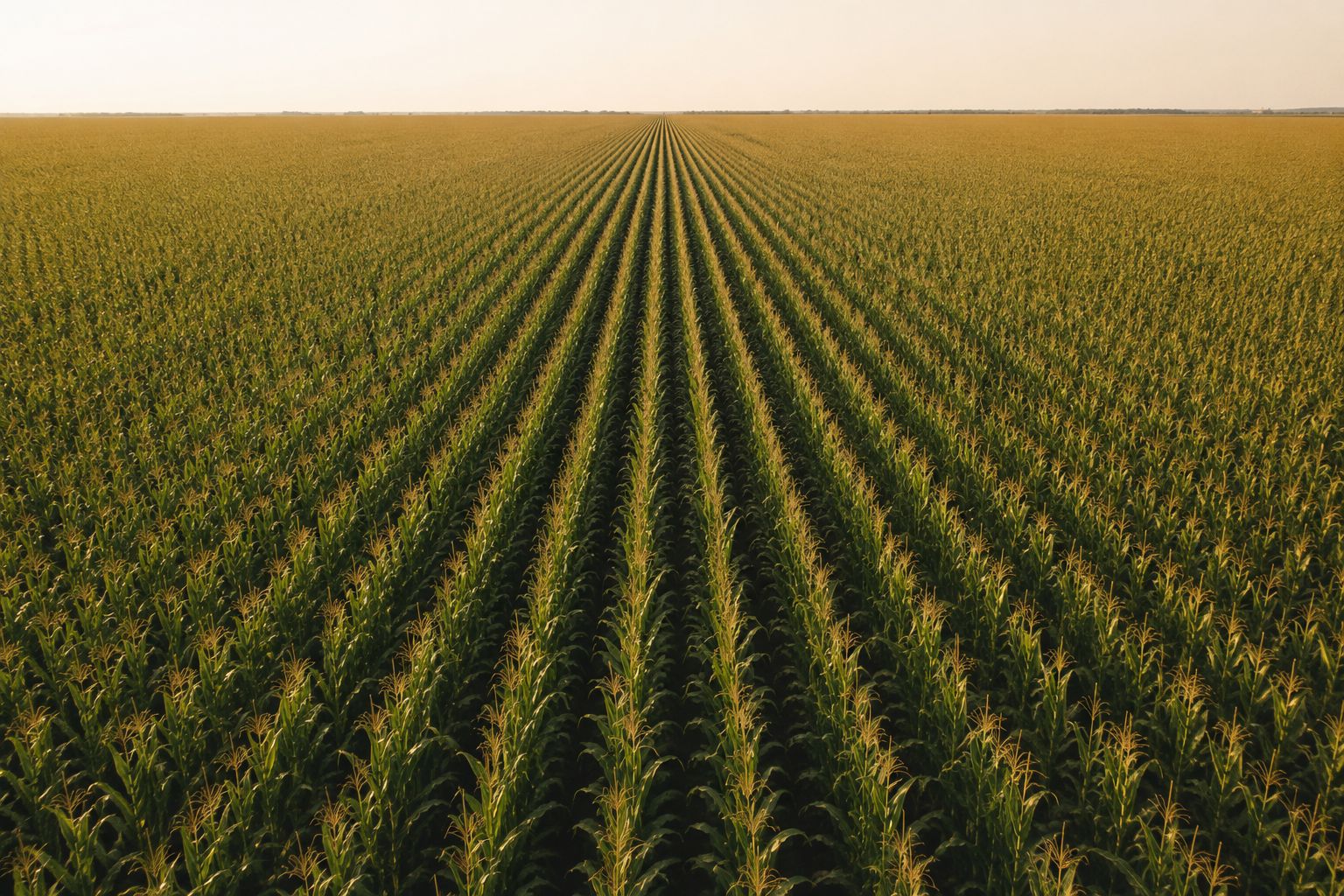
This blog will not speculate beyond what is documented. But the documented record contains statements that deserve to be read as they stand.
Bill Gates, at a 2010 TED talk on climate and energy, made a statement that has circulated widely ever since: "The world today has 6.8 billion people. That's heading up to about nine billion. Now, if we do a really great job on new vaccines, health care, reproductive health services, we could lower that by perhaps ten or fifteen percent."
Multiple fact-checking organisations — Reuters, AP, Snopes, Africa Check — have noted that this statement, read in full context, refers to slowing the rate of population growth through improved child survival and healthcare, based on the demographic observation that lower child mortality correlates with lower birth rates over time.
That is the charitable and probably accurate reading. It is also a statement that a man who has subsequently invested over $170 million in GMO crops specifically targeting the most populous regions of the developing world — Africa and South Asia — has made in public.
The Gates Foundation has committed $1.4 billion between 2025 and 2029 for farming interventions specifically in sub-Saharan Africa and South Asia. These are, not coincidentally, the regions with the highest birth rates in the world.
The corn engineered to produce anti-sperm antibodies existed. The companies that hold that research are the same companies operating in those markets. The foundation investing most heavily in GMO agriculture in high birth-rate regions is the foundation whose co-founder has publicly discussed the desirability of population reduction.
None of these facts, individually, constitute proof of anything beyond what they state. Together, they constitute a pattern that people who grow and eat food have a reasonable interest in understanding.
The Labelling Problem
Here is the practical issue at the centre of all of this.
GMO crops are not required to be labelled in most of the countries where they are grown and consumed. The United States — where GMO crops account for 92 percent of soy, 95 percent of cotton, and 88 percent of corn planted — introduced limited GMO disclosure requirements in 2022, but implementation has been inconsistent and the labelling often appears as a small QR code rather than readable text.
In Africa, where the Gates Foundation has spent considerable resources on regulatory frameworks, the trend has been toward permissive biotech regimes designed to approve GMO crops faster and with less public consultation. The African Centre for Biodiversity has documented how biosafety laws in multiple African countries were shaped partly through donor pressure from the same foundations funding GMO research.
A person eating corn in Nigeria, Kenya, or Rwanda has no practical way of knowing what genetic modifications are present in the crop they are consuming, who holds the patent on the seed it was grown from, or what research history underlies the variety. They are consuming whatever is in that corn on the basis of trust in regulatory systems that were themselves built partly with the funding of the same organisations promoting the crops.
This is not unique to Africa. It is the condition of most food consumption globally. The point is that the populations least able to choose alternatives — those with the fewest resources, the least access to diverse food systems, and the least political power to demand transparency — are the populations now most targeted for GMO agricultural programmes.
What We Wrote Last Time
In our previous Trend Decode piece, we covered the rise of seedless fruits and the corporate consolidation of the global seed market. The connective tissue between that piece and this one is the same logic at a different scale.
Seedless fruits are designed to be unable to reproduce without corporate intervention. Patented GMO seeds are designed to be legally unreproducible without corporate permission. Anti-sperm antibody research explored the possibility of reproductive disruption at the human level.
In each case, the direction of travel is the same. Control over reproduction — whether of plants, or potentially of humans — concentrated in the hands of a small number of entities with the financial means to shape policy, fund regulatory frameworks, and operate in markets where the populations affected have limited ability to scrutinise or resist.
We are not claiming these things are connected by intention. We are observing that they are connected by outcome. And we are noting that the populations most exposed to these outcomes are consistently those with the least power to question them.
The Only Practical Response
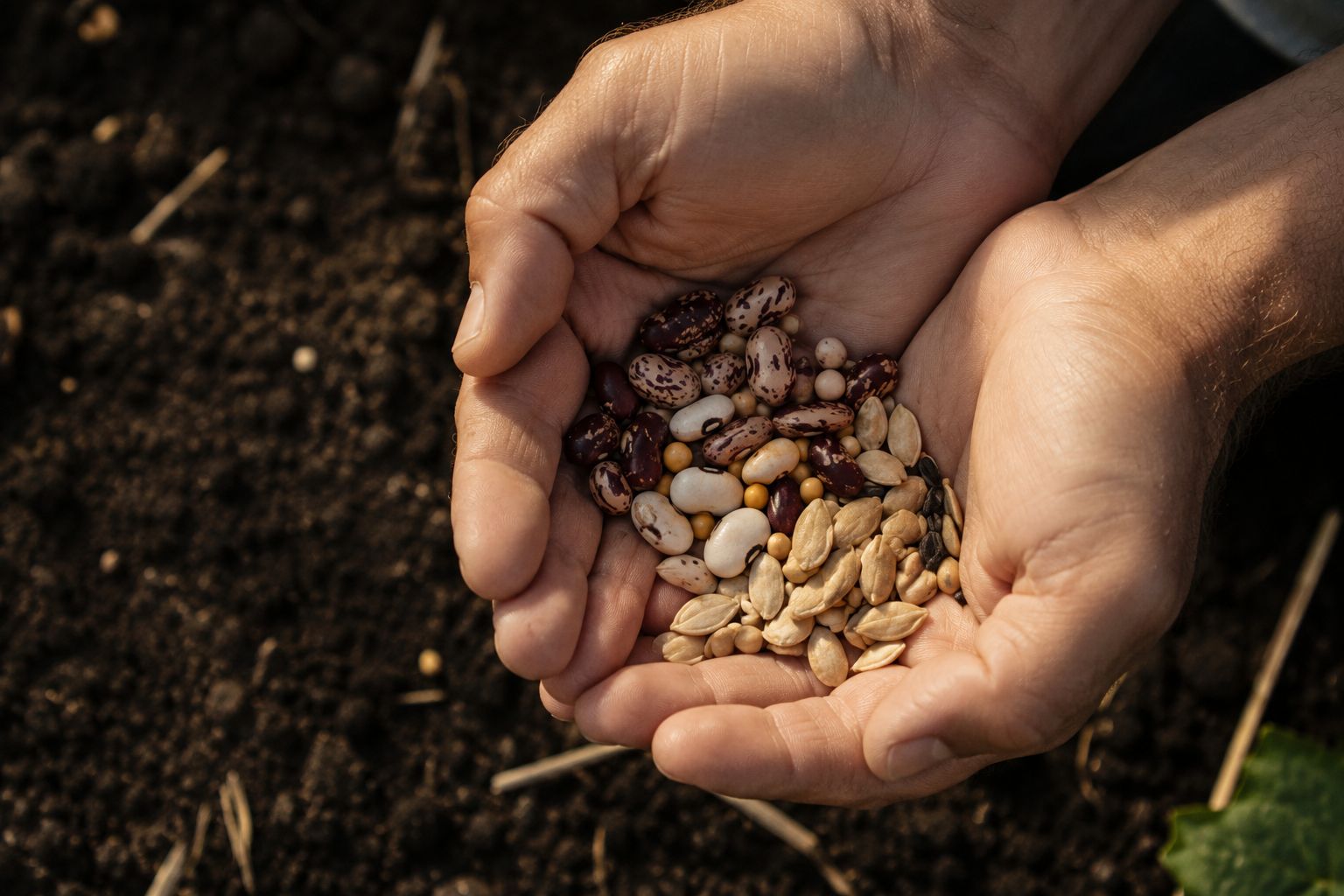
There is a reason this website exists. It is not to sell fear. It is to provide the practical information that allows people to grow their own food from seeds they own, save, and control.
An open-pollinated tomato seed you save from your own harvest is answerable to nobody. It carries no patent. It requires no corporate license. It will produce the same tomato next year that it produced this year, and the year before, going back to varieties that existed before any of the entities described in this piece were founded.
Growing your own food from open-pollinated, non-GMO seed is not a political act in any grand sense. It is simply the most direct way to opt out of a system whose opacity is increasingly difficult to justify and whose beneficiaries are increasingly easy to identify.
The people at Epicyte believed they had engineered the solution to overpopulation. The people at the Gates Foundation believe they are engineering the solution to African hunger. The people at Bayer, Corteva, BASF, and ChemChina-Syngenta believe they are building the future of food security.
All of them believe they are solving a problem. All of them are doing it with technology that is patented, opaque, not required to be labelled, and targeted primarily at populations who had no vote in the matter.
You do not have to accept that arrangement. You can buy an heirloom seed packet, fill a pot with soil, and grow food that belongs entirely to you.
That option exists. It is getting narrower every year. And it is worth using while it still does.
By Seedora Store — Trend Decode Series.
Sources: The Guardian, Epicyte press conference coverage (2001); New York Times, "Biotech Corn Designed to Produce Antibodies," Andrew Pollack (2001); Institute for Agriculture and Trade Policy (IATP), GMO corn report; GMO Answers, Monsanto statement on Epicyte gene; GRAIN, "How the Gates Foundation is driving the food system in the wrong direction" (2021); Development and Change, "GMO Crops in Africa," Wiley Online Library (2023); Scientific American, "Bill Gates Should Stop Telling Africans What Kind of Agriculture Africans Need" (February 2024); Timothy Wise, Tufts University GDEI, AGRA analysis (2020); The Africa Report, Gates Nigeria visit (September 2024); US Right to Know, Gates Foundation critiques fact sheet (2026); The Ecologist, "Gates Failing Green Revolution in Africa" (2020); Lotus Blossom Clinic, fertility and GMO documentation; Billionaires Africa, Gates Foundation $1.4 billion Africa Asia pledge (2025).