Willow Bark to Aspirin: The Tree That Gave Us the World's Most-Used Painkiller
Your headache tablet started life as tree bark. For thousands of years, people chewed willow bark for pain and fever, and in 1897 a chemist turned it into aspirin.
Loading articles...
Expert plant care guides, growing tips, and nature stories to help you nurture your green journey β from seed to bloom.

Your headache tablet started life as tree bark. For thousands of years, people chewed willow bark for pain and fever, and in 1897 a chemist turned it into aspirin.

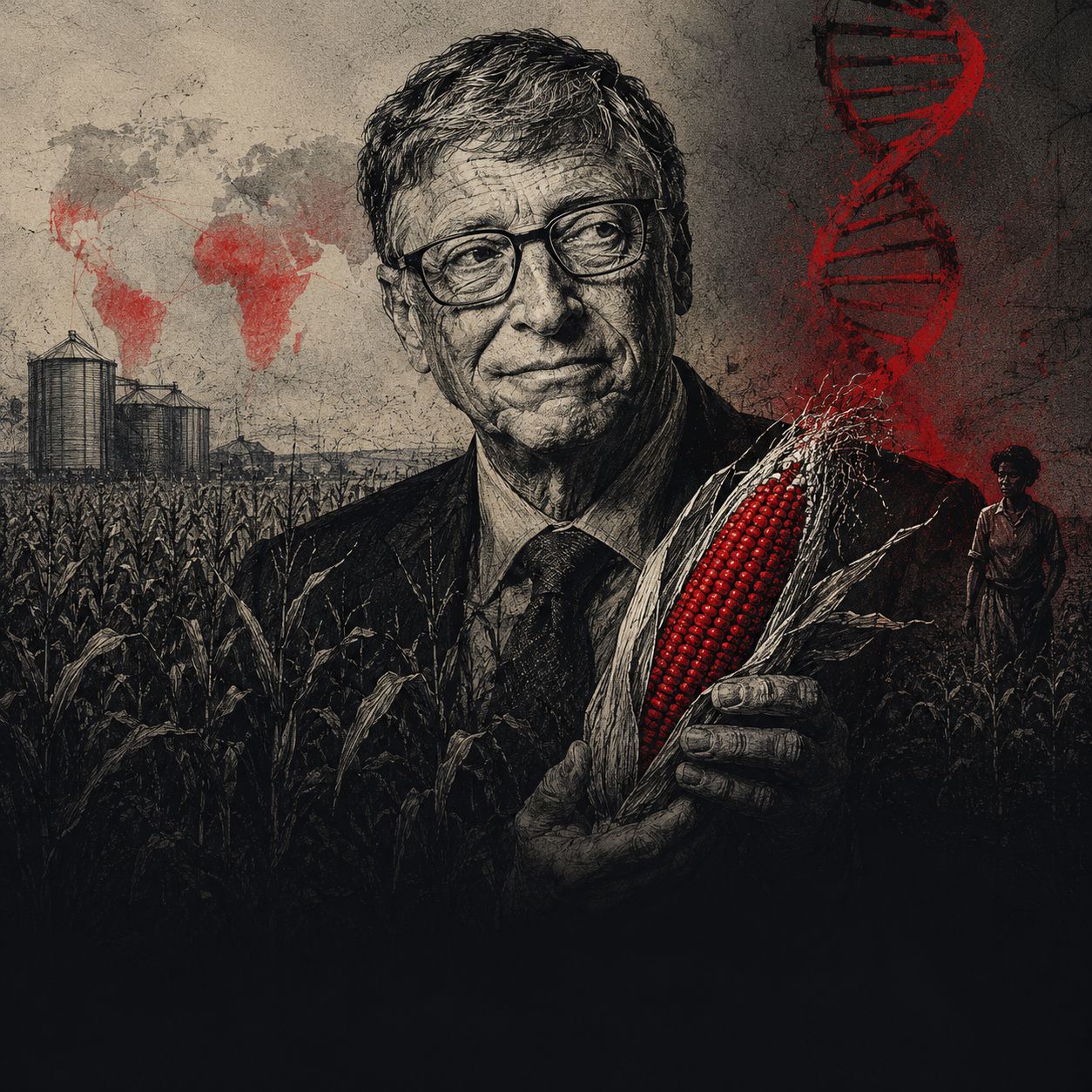
In 2001, a biotech company announced it had engineered corn to produce anti-sperm antibodies. The research vanished from public view within months. The companies that acquired it are the same companies now receiving hundreds of millions of dollars to feed Africa and South Asia. These are the documented facts. Draw your own conclusions.

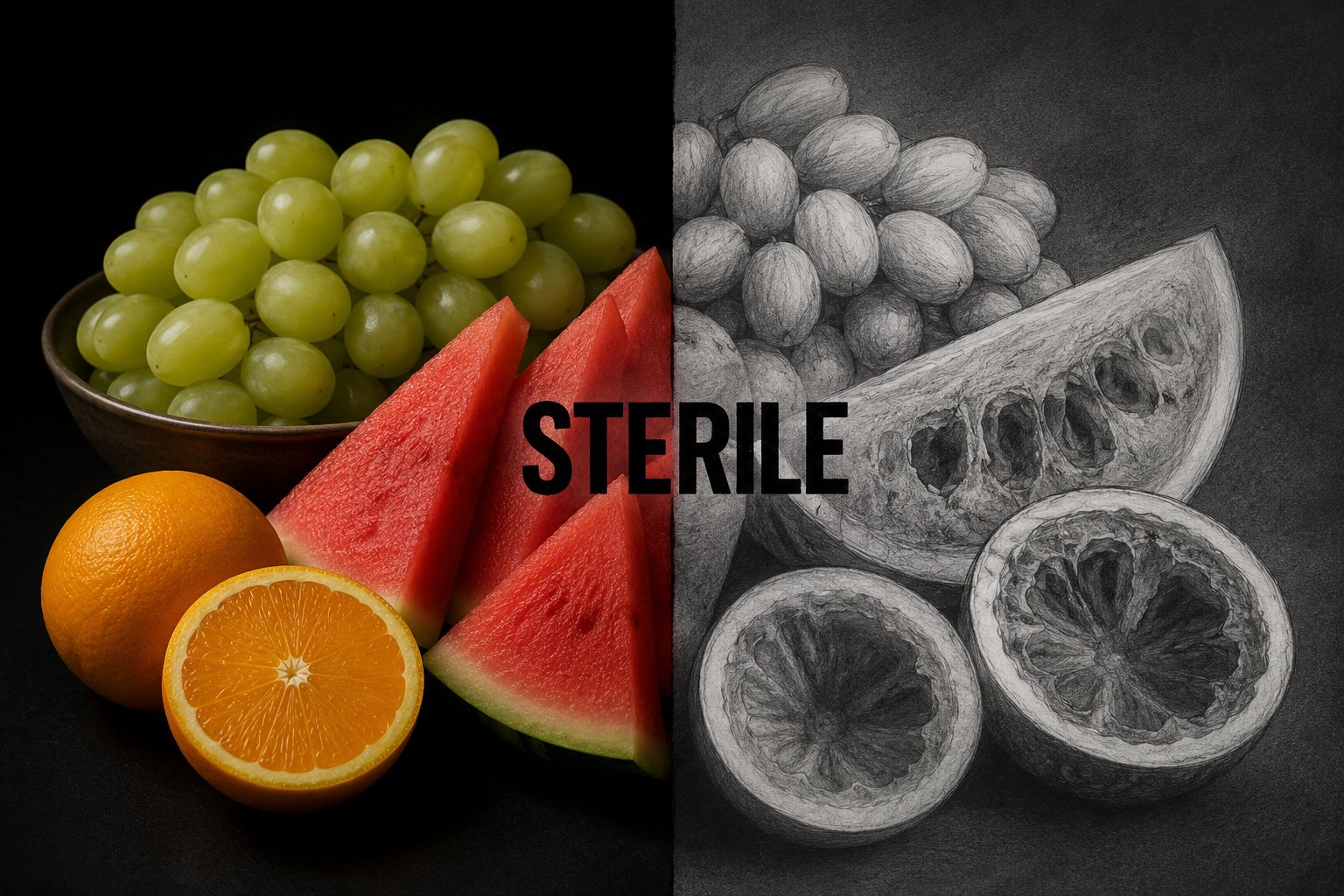
Every seedless grape you eat, every navel orange you peel, every watermelon slice without a pip β none of them can grow another plant. That is not a coincidence. It is a design. And the same logic is being applied to the entire food supply by a handful of corporations that now control most of the world's seeds.

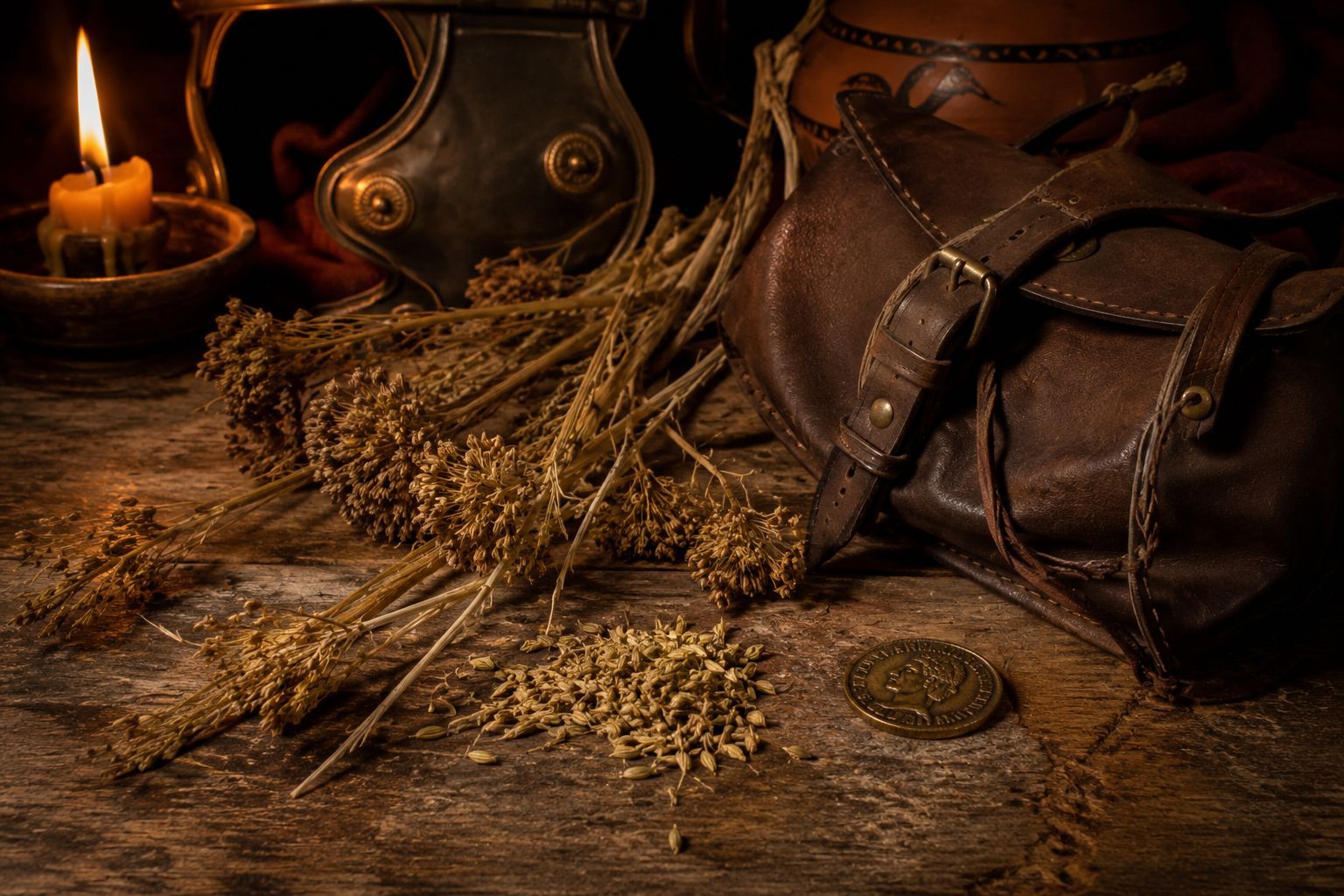
No modern soldier packs a herb in their kit. Roman ones did. Fennel rode in the ration bags of legions that built an empire β chewed for endurance, prescribed for two dozen ailments, and, it turns out, quietly backed by real chemistry the Romans had no way of understanding.

Nearly 15 million Americans moved in 2025. Rural areas are now the second most-wanted place to live in the US. Homesteading has grown 24% in five years. This isn't nostalgia β it might be biology catching up with modern life.

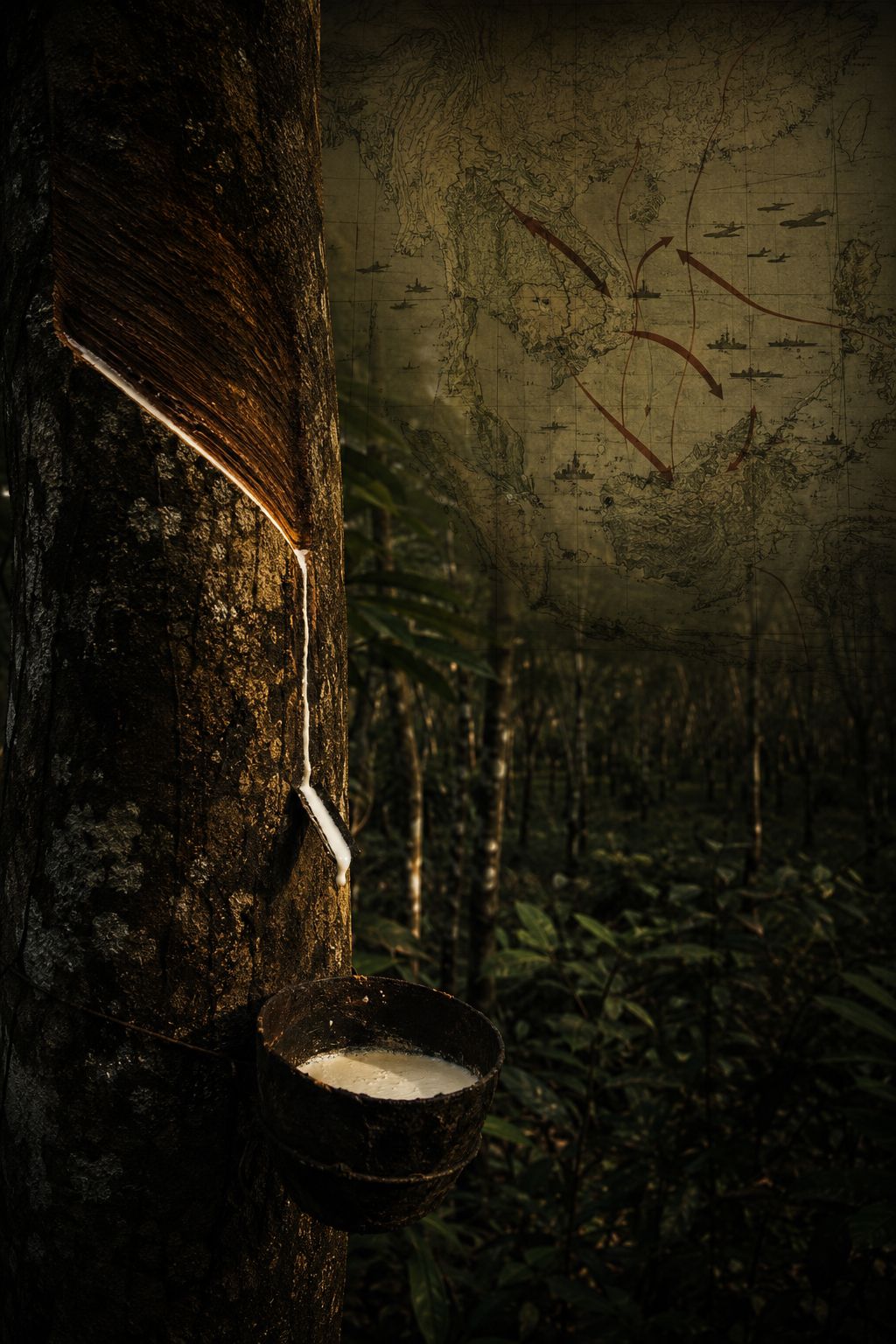
A single tropical tree β Hevea brasiliensis β changed the outcome of the deadliest conflict in human history. Japan went to war partly to control it. The United States nearly lost the war because it did not have enough of it. This is the story of the plant that moved armies.