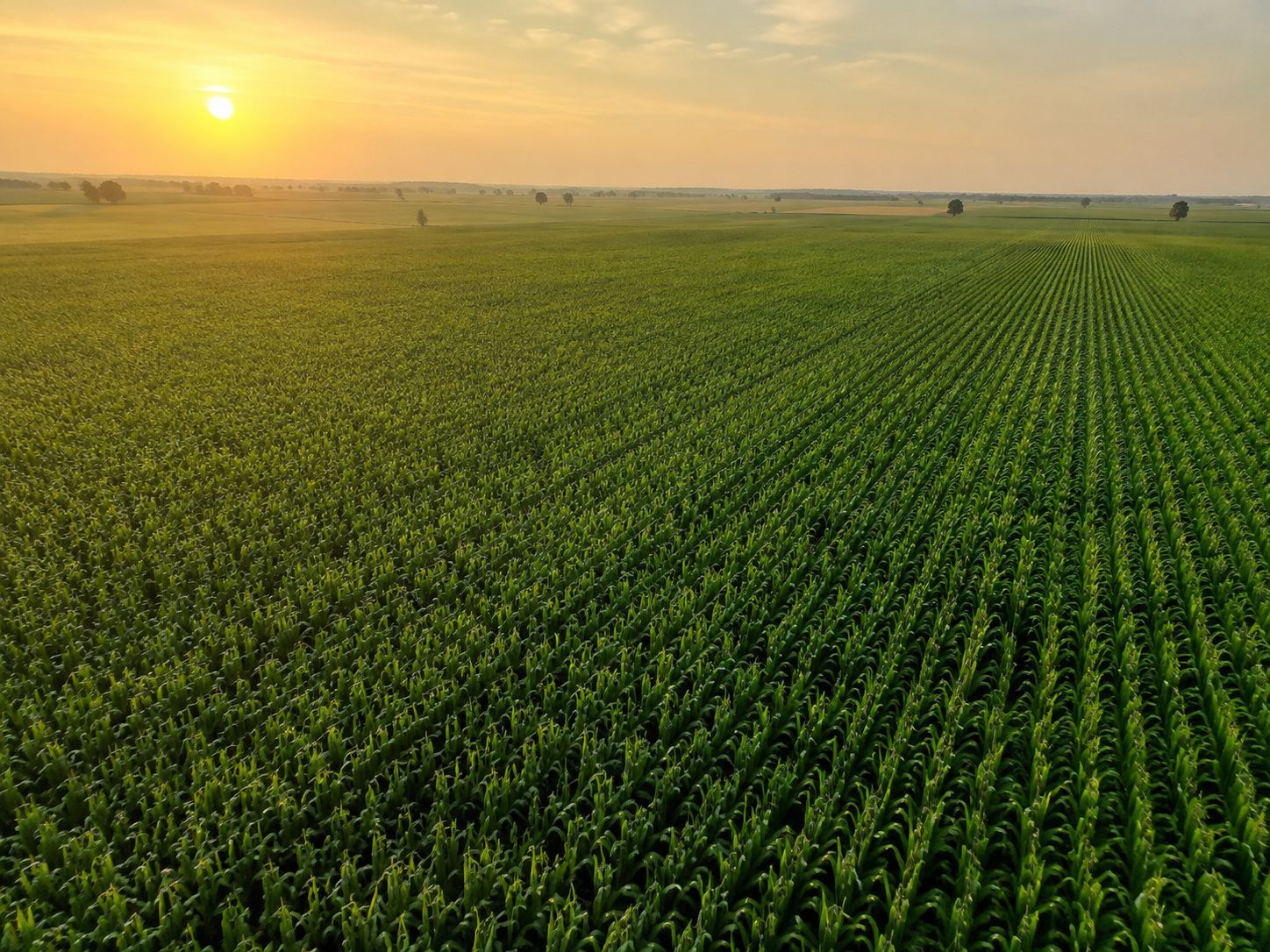
Quick question: when you buy a loaf of bread, a bag of tortilla chips, or a carton of soy milk, who actually owns the seed that grew the crop inside it?
Not the farmer. Not the country it was grown in. In most cases, the answer is a handful of massive corporations you've probably never thought twice about — and in 2026, that quiet arrangement finally started cracking open in public.
This isn't a conspiracy theory. It's not a fringe claim. It's the U.S. government's own antitrust regulators, on the record, saying the system controlling the world's most important seeds is broken.
The Numbers That Should Stop You
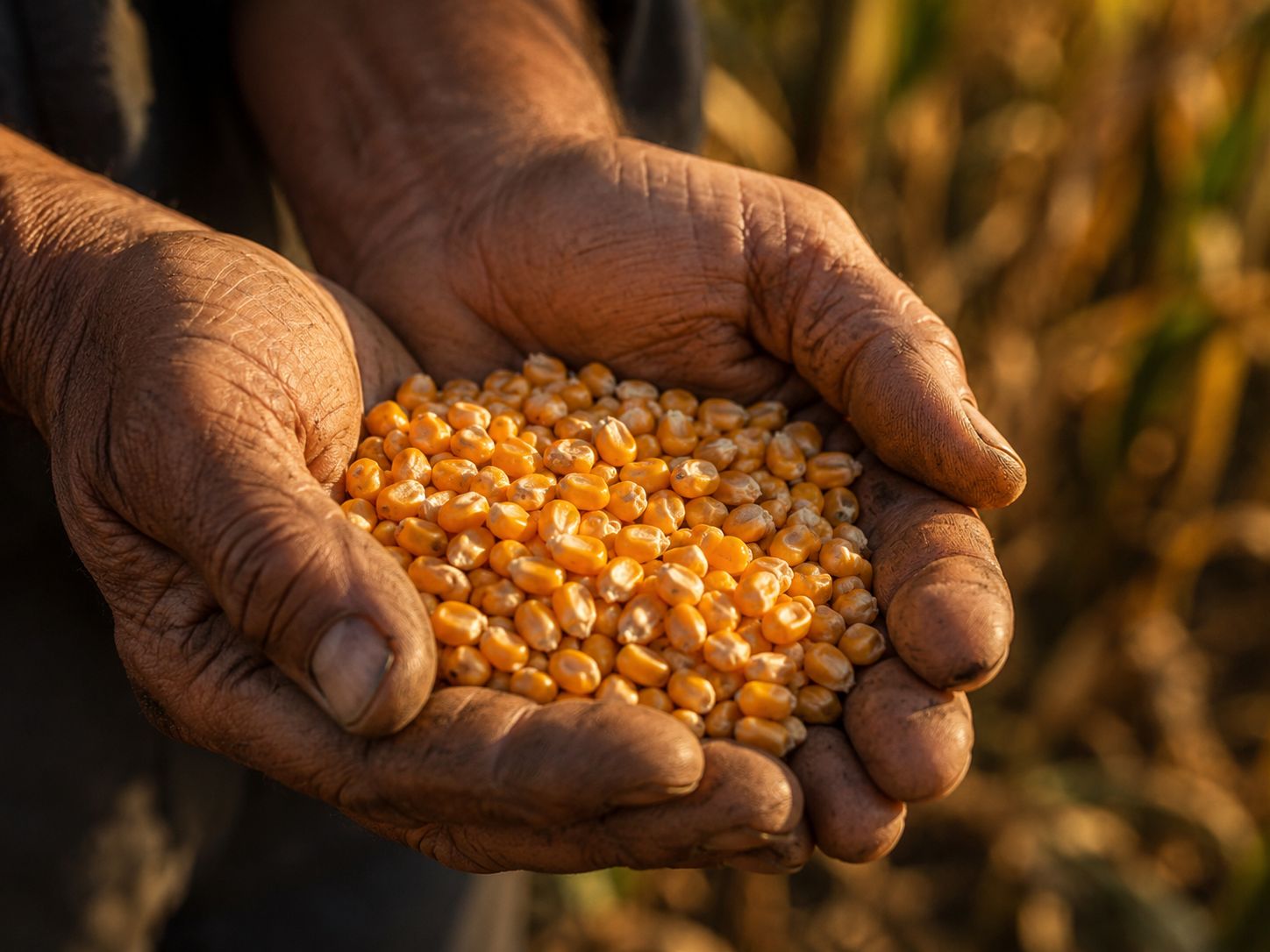
Here's the part that surprises most people: this isn't a competitive market with dozens of players. According to U.S. Department of Agriculture data, just two companies control more than 70% of all corn and soybean seed sales in the United States. For cottonseed, four companies control nearly 94% of the market.
Zoom out further, and it gets even more concentrated. A small group of agrochemical giants collectively own the vast majority of patented genetic traits used in corn and soybeans worldwide — the invisible "code" that determines whether a seed resists pests, survives drought, or tolerates herbicides.
Think about what that actually means. Corn and soybeans aren't a niche product — they're foundational to the global food chain. They feed livestock, they're pressed into cooking oil, they're refined into sweeteners, they show up in thousands of packaged foods on every continent. When a handful of companies control the genetic starting point for that much of the food system, everyone downstream — including you, no matter where you live — is affected by decisions made in boardrooms you'll never see.
How the System Got Built This Way
For most of human history, seeds were never owned by anyone. Farmers saved them, traded them, replanted them, and improved them season after season — a process older than written language itself.
That changed in the 20th century, when governments began allowing companies to patent living organisms. It started with a genetically engineered bacterium, then quickly expanded to crops. Suddenly, companies could genetically engineer a trait — like resistance to a specific pesticide — patent it, and legally stop anyone else from using it, breeding with it, or even studying it too closely.
Farmers who once saved seeds from their harvest to replant the following year found themselves signing contracts prohibiting exactly that. Independent seed companies who wanted to breed new varieties using patented traits found themselves locked out. Even university researchers, the people meant to be improving crops for the public good, have had to think twice before working with patented genetic material.
The Case That Forced the Government to Speak Up
In 2026, a legal dispute between two seed companies became the moment this quiet system finally got dragged into the light.
One of the industry's biggest players sued a smaller genetic-engineering startup, accusing it of improperly studying the genetic makeup of its patented seeds. The case might have stayed a private legal matter — except the U.S. Department of Justice's Antitrust Division stepped in with a formal statement. Its message was blunt: companies shouldn't be allowed to use patents to stop others from simply reading and understanding genetic material that had to be publicly disclosed as part of getting that patent in the first place.
Around the same time, in a separate investigation, one of the world's largest agricultural corporations agreed to remove specific provisions from its seed loyalty program — provisions regulators said discouraged independent seed sellers from offering farmers cheaper alternatives.
Neither case single-handedly fixes the seed industry. But together, they represent something rare: a government publicly acknowledging that seed patents, as they currently work, are limiting competition and research — not protecting innovation the way patents are supposed to.
Why This Isn't Just an American Story
It's easy to read all this and think, "okay, but that's a U.S. legal issue." It isn't.
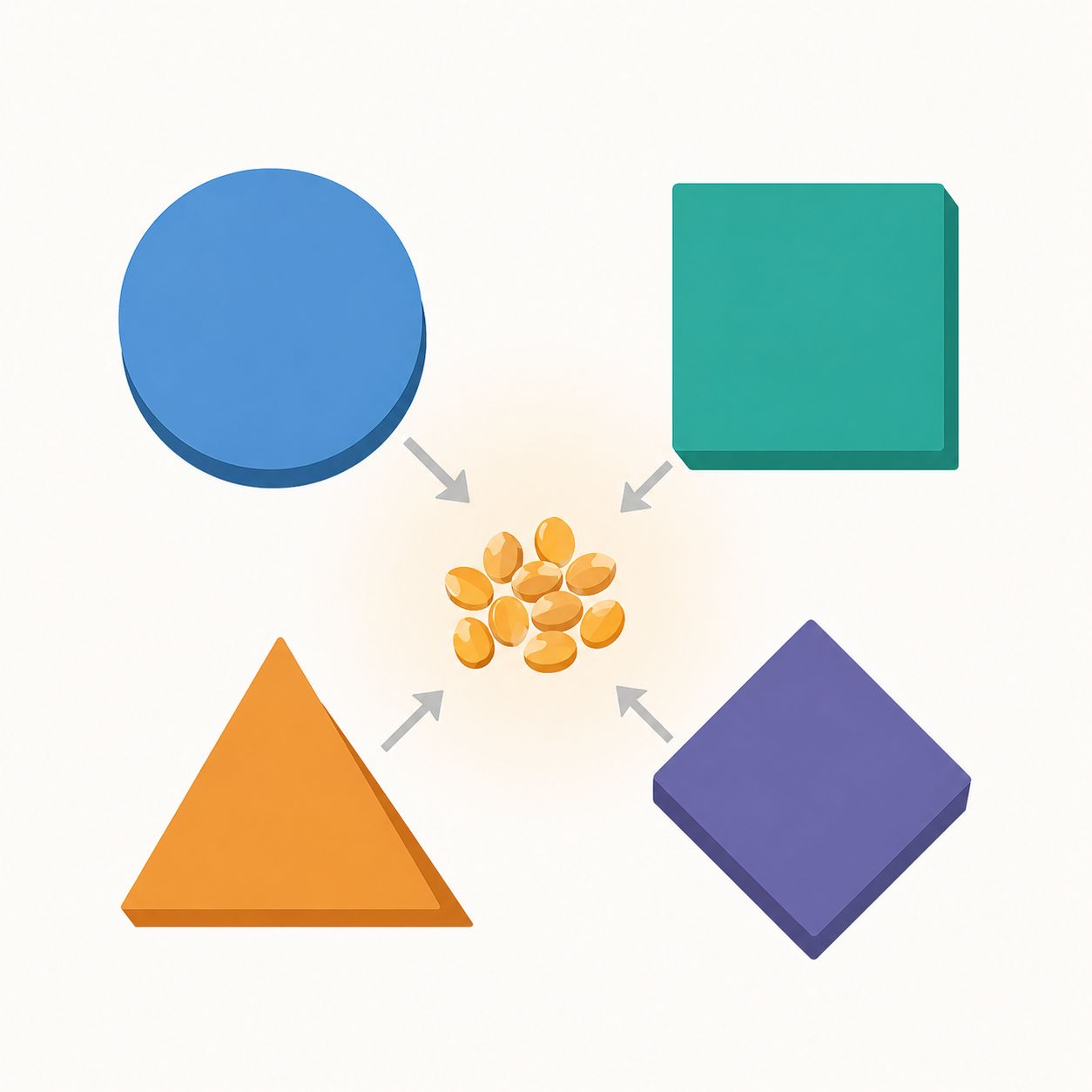
The same handful of corporations behind these patents sell seeds and license genetic traits across Latin America, Europe, Africa, and Asia. When a handful of companies control the genetic starting point for staple crops, the ripple effects reach farmers and food prices everywhere — from a smallholder farm in the Global South to a supermarket shelf in Europe.
Countries with fewer resources to fight expensive patent litigation, or without strong domestic seed-breeding programs of their own, often have even less leverage to push back. Seed sovereignty — the ability of farmers and nations to save, share, and breed their own seeds without corporate restriction — has been a growing movement in places like India and across parts of Africa for exactly this reason. What's happening in a Delaware courtroom is really a preview of a much bigger, global conversation about who gets to control the building blocks of food itself.
What Happens Next
To be clear, nobody's saying patents themselves are the villain. Patents exist to reward genuine innovation, and plenty of the drought-resistant and pest-resistant traits developed over the past few decades have real, measurable benefits for farmers.
The concern regulators are raising is narrower, but important: when a small number of companies use patents not just to protect innovation, but to actively block competitors, researchers, and farmers from even understanding or building on that innovation, the whole system stops working the way it's supposed to. Prices rise. Independent seed companies disappear. Public research slows down. And farmers, the people actually growing the world's food, end up with the least power in a system built around their work.
The Bigger Picture
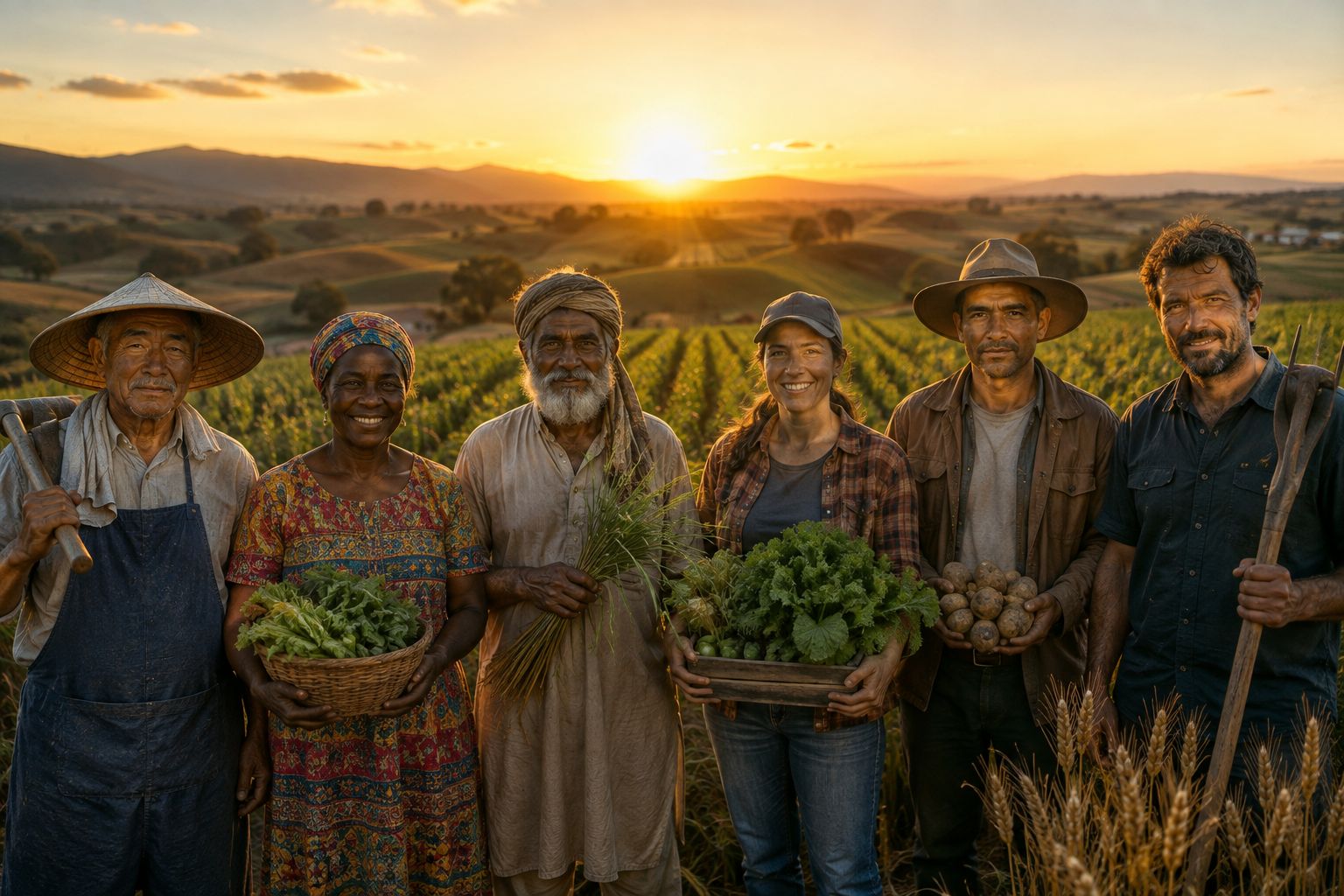
Food security isn't just about rainfall, soil, or how much land a country has. Increasingly, it's about who controls the genetic starting point of what gets planted in that soil in the first place.
For the first time in years, a major government has said, on the record, that this concentration of control has gone too far. Whether that turns into real, lasting change — more competition, fairer pricing, easier access for independent breeders and researchers — is still an open question.
But the conversation has started. And for a system that quietly shapes what ends up on dinner tables across the entire planet, that's a conversation worth paying attention to, wherever you happen to live.
Sources: U.S. Department of Justice Office of Public Affairs (May 2026 press releases); USDA seed market concentration data; reporting via The Conversation, Bloomberg Law, Food & Power, and Investigate Midwest (2026).