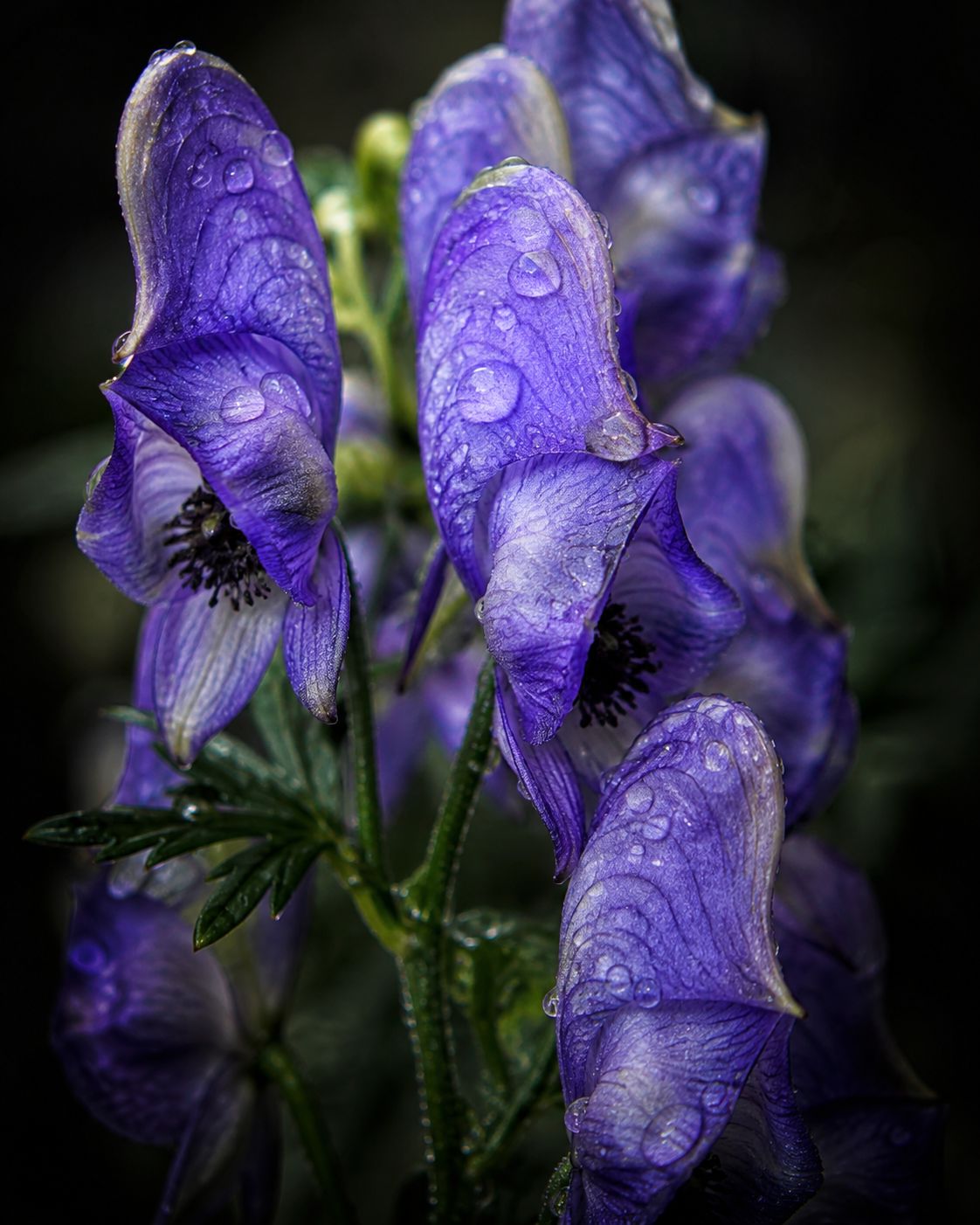
Here's a question you probably haven't thought about before: what if the same flower that could kill you is also hiding a cure inside it?
Sounds like something out of a fantasy novel. But it's real, it's happening right now, and scientists just made a breakthrough that could change it.
Meet wolfsbane and larkspur — two flowers so toxic that a small dose can cause paralysis and stop your nervous system in its tracks. Wolfsbane is even rumored to have been used in the poisoning of historical figures, including Cleopatra's own sister. These aren't garden-variety weeds. They're some of the most feared plants in history.
And yet, for thousands of years, healers across different cultures have quietly used these same "killer" plants in tiny, controlled doses — for pain relief, fevers, and more. The paradox has puzzled scientists for generations: how can something so deadly also be so useful?
Now, researchers finally have an answer.
The 200-Year-Old Puzzle Scientists Just Cracked
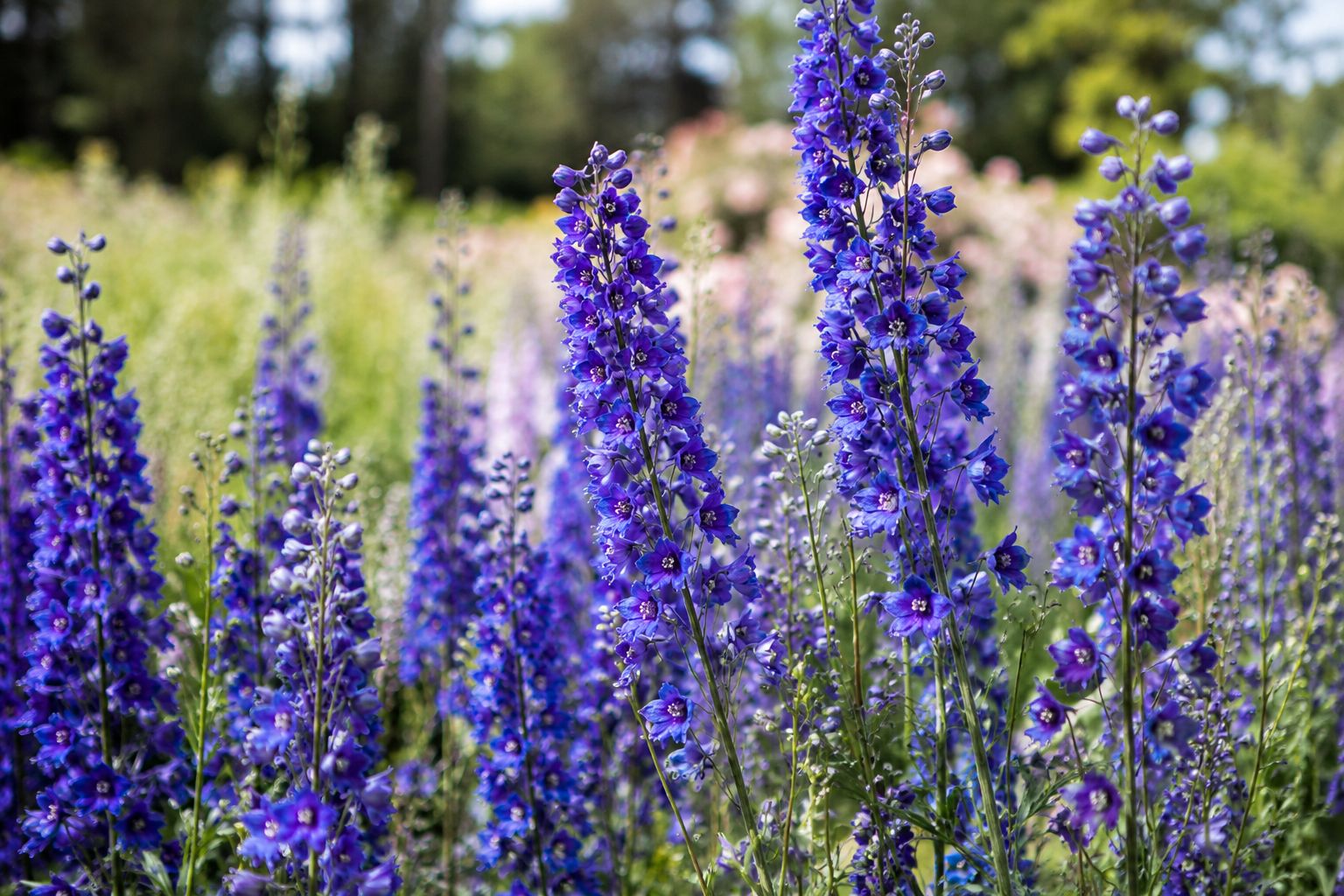
Inside wolfsbane and larkspur is a group of chemicals called diterpenoid alkaloids. One of the most famous ones, aconitine, was first isolated nearly 200 years ago — and despite two centuries of trying, no lab has ever been able to build it from scratch.
That's the tricky part about these compounds. They're not simple molecules. They're incredibly complex, twisted structures that plants somehow build with ease, but that human chemists have never been able to replicate in a lab.
So a team of scientists at Michigan State University and the Czech Academy of Sciences decided to stop trying to out-chemist nature — and instead, ask the plants how they do it.
How Do You Read a Plant's Recipe Book?
Think of it like this: if a toxin is the finished dish, the plant's genes are the recipe, and each gene builds one ingredient. The scientists' job was to find every single "ingredient" — the exact genes and enzymes — that plants use to cook up their toxic chemistry.
To do that, they sequenced genetic material from multiple wolfsbane and larkspur species, focusing on the plant's roots, where these toxic compounds tend to build up. It was slow, painstaking work — like searching through thousands of pages of a cookbook, written in a language no one had ever translated before.
Eventually, they found what they were looking for: six enzymes that work together like a tiny assembly line, folding a simple starting molecule into a complex compound called atisinium.
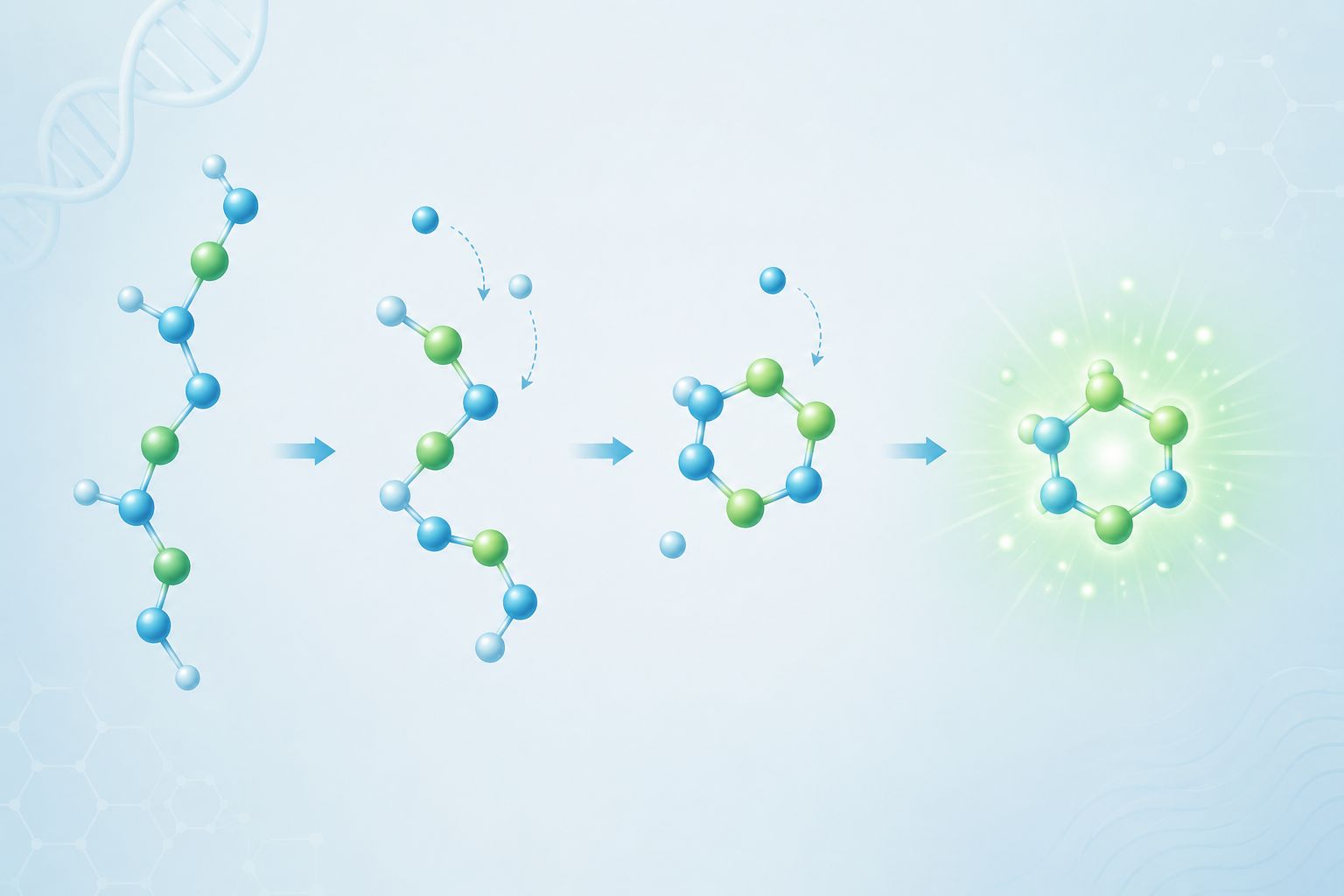
One surprise along the way? The nitrogen inside this toxic compound didn't come from where scientists expected. It turned out to come from a common, everyday molecule most of us have never heard of — a small but important clue about how nature builds its most complicated chemistry from the simplest building blocks.
Turning Poison Into a "Living Factory"
Here's where it gets genuinely exciting.
Once the researchers knew which genes were responsible, they didn't just write the discovery down and move on. They took those genetic instructions and inserted them into a completely different plant — tobacco.
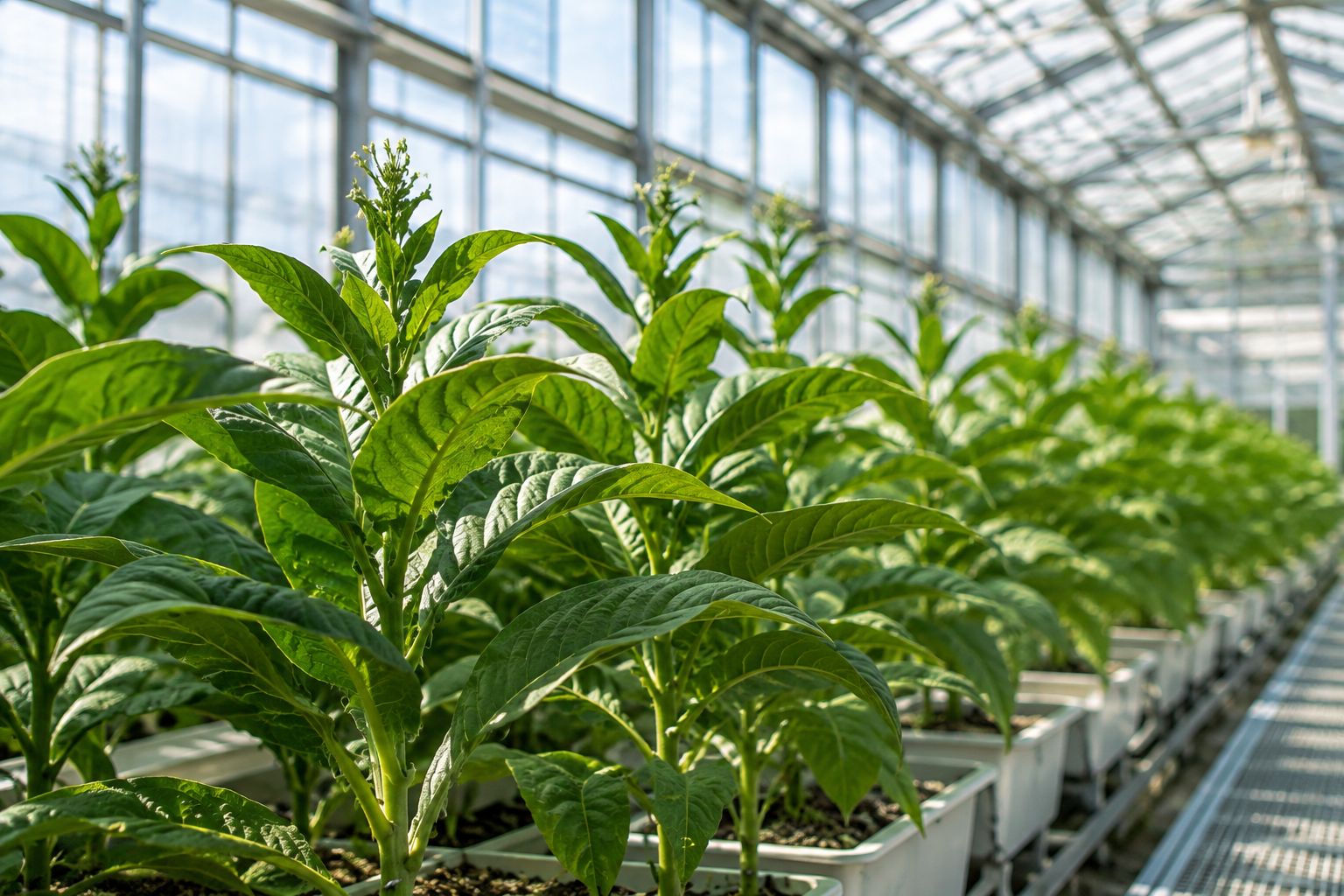
Why tobacco? Because it grows fast, it's easy to work with in a lab, and — most importantly — it agreed to become something it was never meant to be: a living factory for someone else's poison.
And it worked. The modified tobacco plants successfully built the same complex compound found in wolfsbane and larkspur — proving that scientists can now grow these rare chemicals on demand, without needing to harvest wild, hard-to-source, dangerously toxic flowers.
Why This Actually Matters to You
You might be thinking — okay, that's a cool lab trick, but why should I care?
Because this isn't just about one flower. It's about unlocking an entire family of plant chemicals that have shown promise against some of the toughest problems in medicine: chronic pain, malaria, cancer, and even agricultural pests that destroy crops.
Right now, most of these compounds are too rare, too complex, and too dangerous to study at scale. This discovery changes that. Once you know the genetic blueprint, you can produce these molecules safely, consistently, and in large enough quantities to actually test them as medicine.
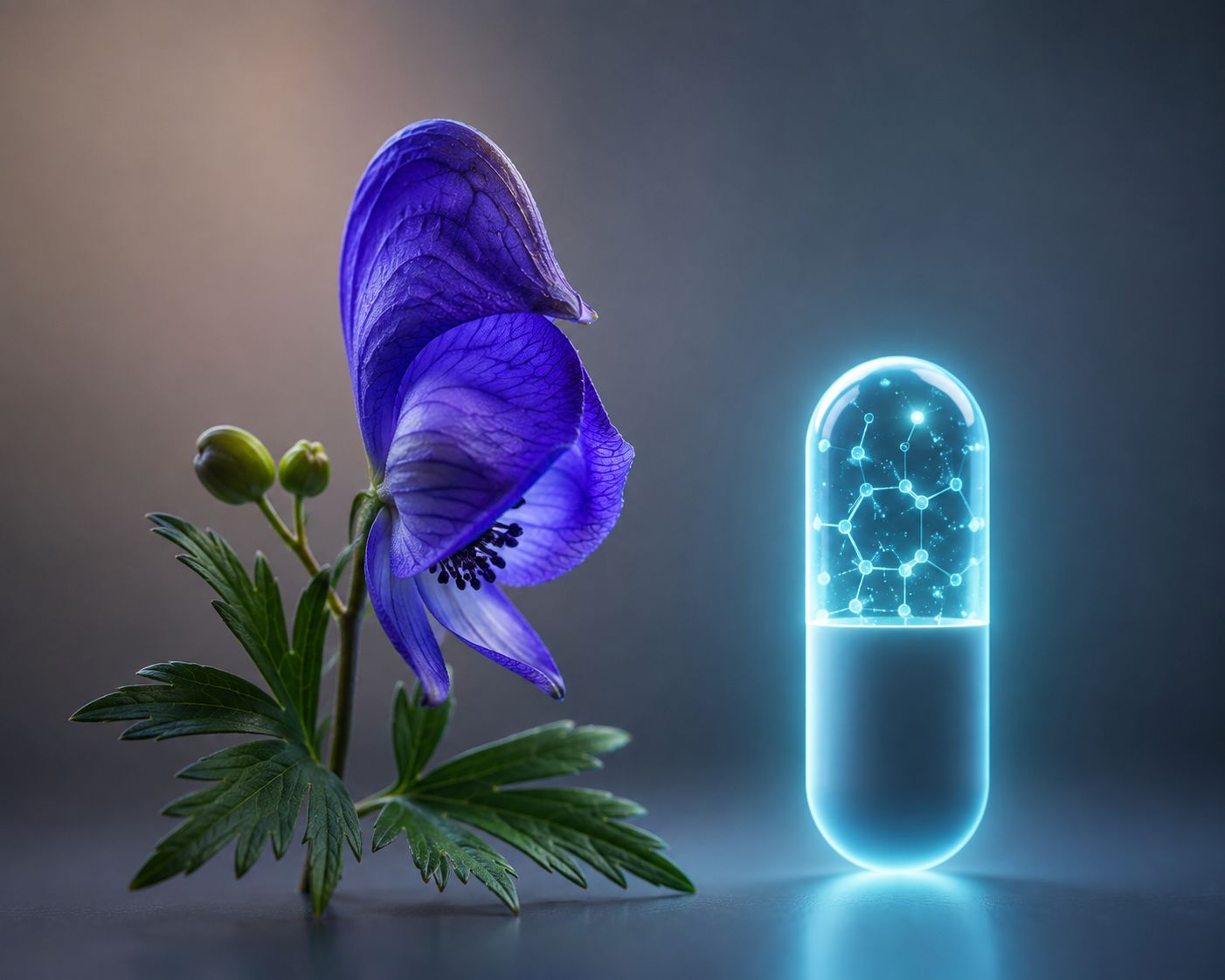
It's early — the researchers themselves are careful to point out that many downstream steps in the process are still unknown. But for the first time, there's a real, working starting point. A door that's been locked for two centuries just cracked open.
The Bigger Lesson Hiding in a Deadly Flower
There's something almost poetic about this discovery. The same plants humans have feared and used as poison for thousands of years might end up in tomorrow's medicine cabinet — not despite their toxicity, but because of it.
It's a reminder that nature doesn't waste chemistry. Every toxin, every defense mechanism a plant builds to survive, is really just a puzzle piece waiting for the right scientist to notice it. The line between poison and medicine, it turns out, was never really about the molecule. It's about the dose — and now, thanks to this breakthrough, about the blueprint too.
So next time you walk past a patch of purple flowers in a garden, you might want to look a little closer. You could be standing next to the future of medicine.
Sources: Research published in Molecular Plant by teams at Michigan State University and the Czech Academy of Sciences; coverage via ScienceDaily and MSU Today (August 2026).