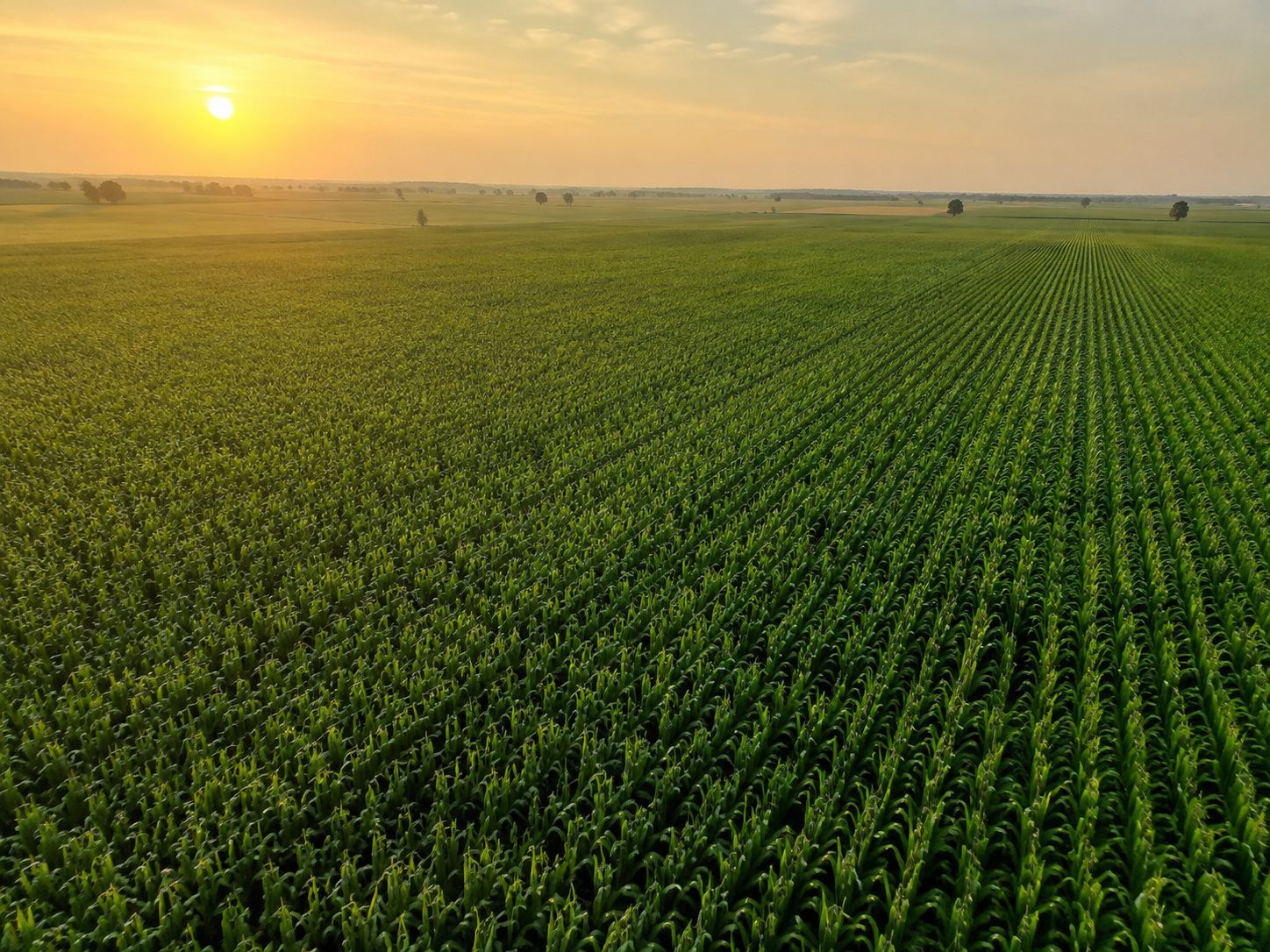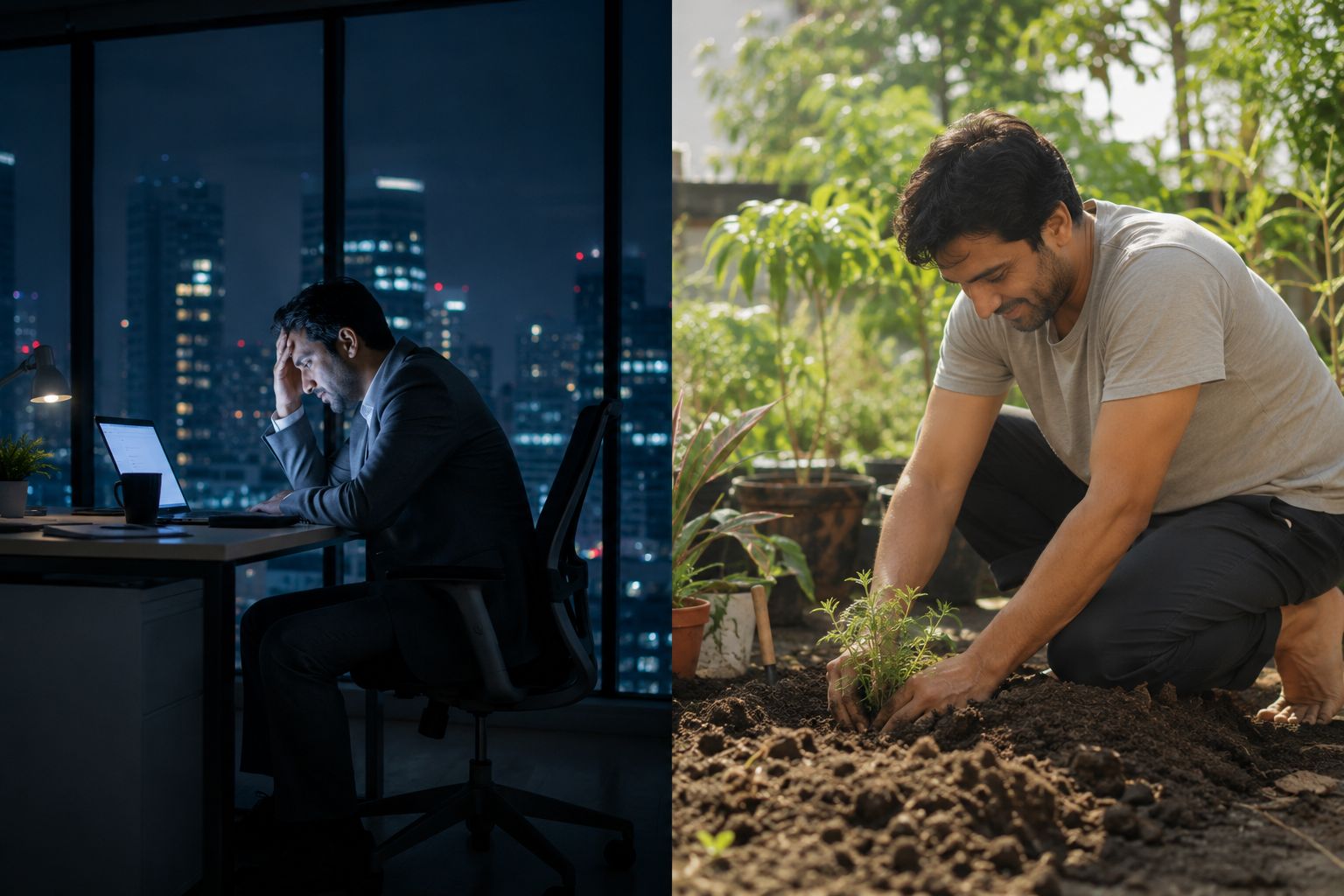
Let us start with a question nobody in the modern world is supposed to ask out loud.
If you could feed yourself and your family completely from your own land — your own garden, your own fruit trees, your own vegetable beds — what exactly would you be going to work for?
Take a moment with that.
Because the answer you come up with says something important about what we have decided to call normal — and what we have quietly agreed to forget.
The Way It Used to Work
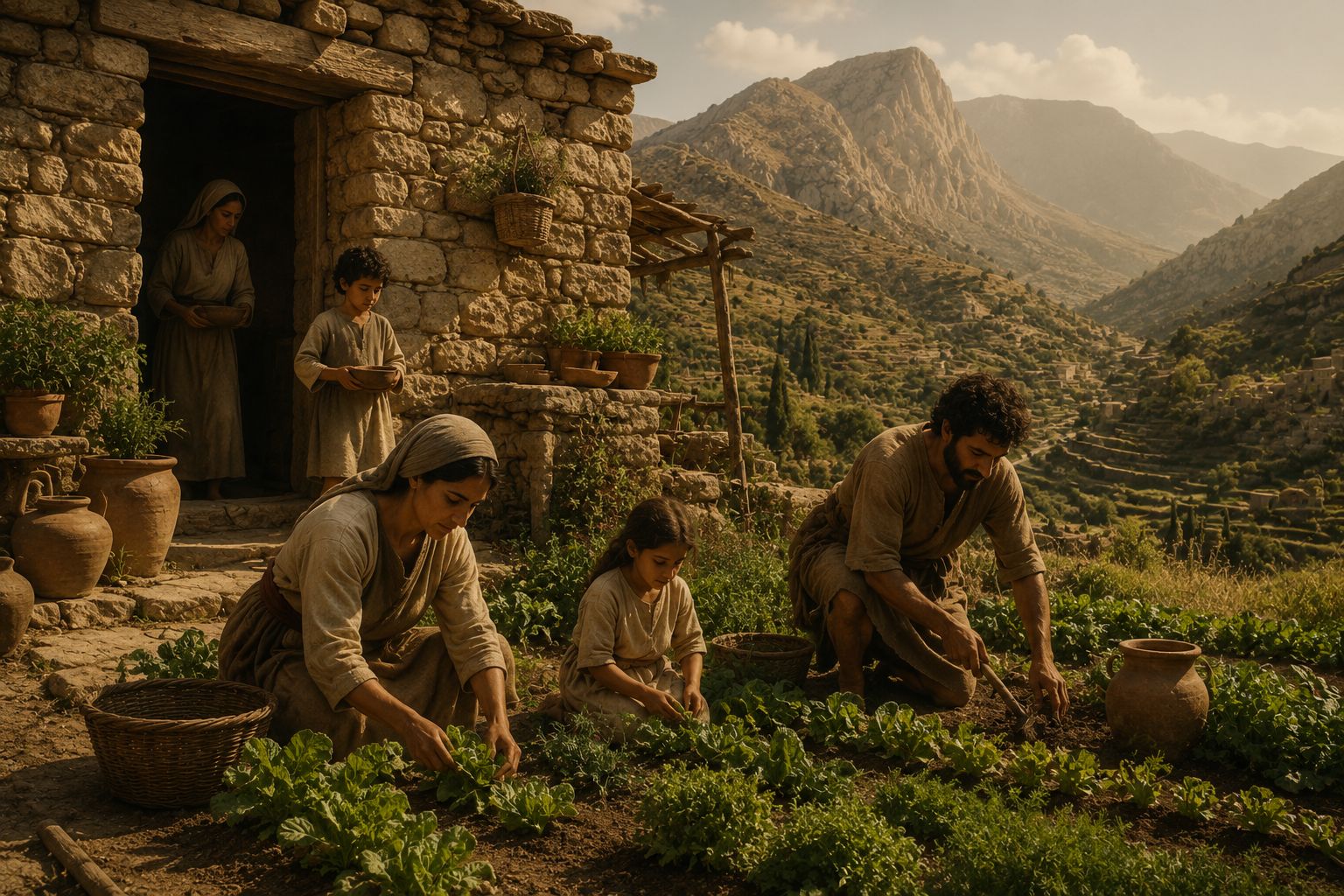
For the vast majority of human history — roughly 95 percent of it — people fed themselves. They grew food, raised animals, foraged, and fished. The farmer and the eater were the same person.
This was not poverty. People working subsistence land worked an average of three to five hours per day. Anthropologist Marshall Sahlins argued in his 1966 essay that hunter-gatherers were the original affluent society — not because they had many possessions but because their wants were modest and their means of satisfying them were immediately available.
The land was the supermarket. The supermarket never closed.And it never sent a bill.
Then the Industrial Revolution pulled farmers off their land and into factories. Something had been inserted into the middle of the oldest transaction in human history.
That something was money.
The Thought Experiment
What if everyone grew their own food?
Not a fantasy. Just this: what if every household produced 30 percent of its own food — vegetables, herbs, fruits — the way households in many parts of the world still do?
Your food bill drops immediately. For an average household spending $400 per month on groceries, 30 percent food production saves $120 per month — $1,440 per year. Without a raise. Without a promotion. Without an extra hour of work.
If you need less money to survive, you need fewer hours of employment. If you need fewer hours, you have more time. More time for family, health, community, and the things that were there before the nine-to-five was invented.
This is not a radical proposition. It is arithmetic.
What the Psychologists Found
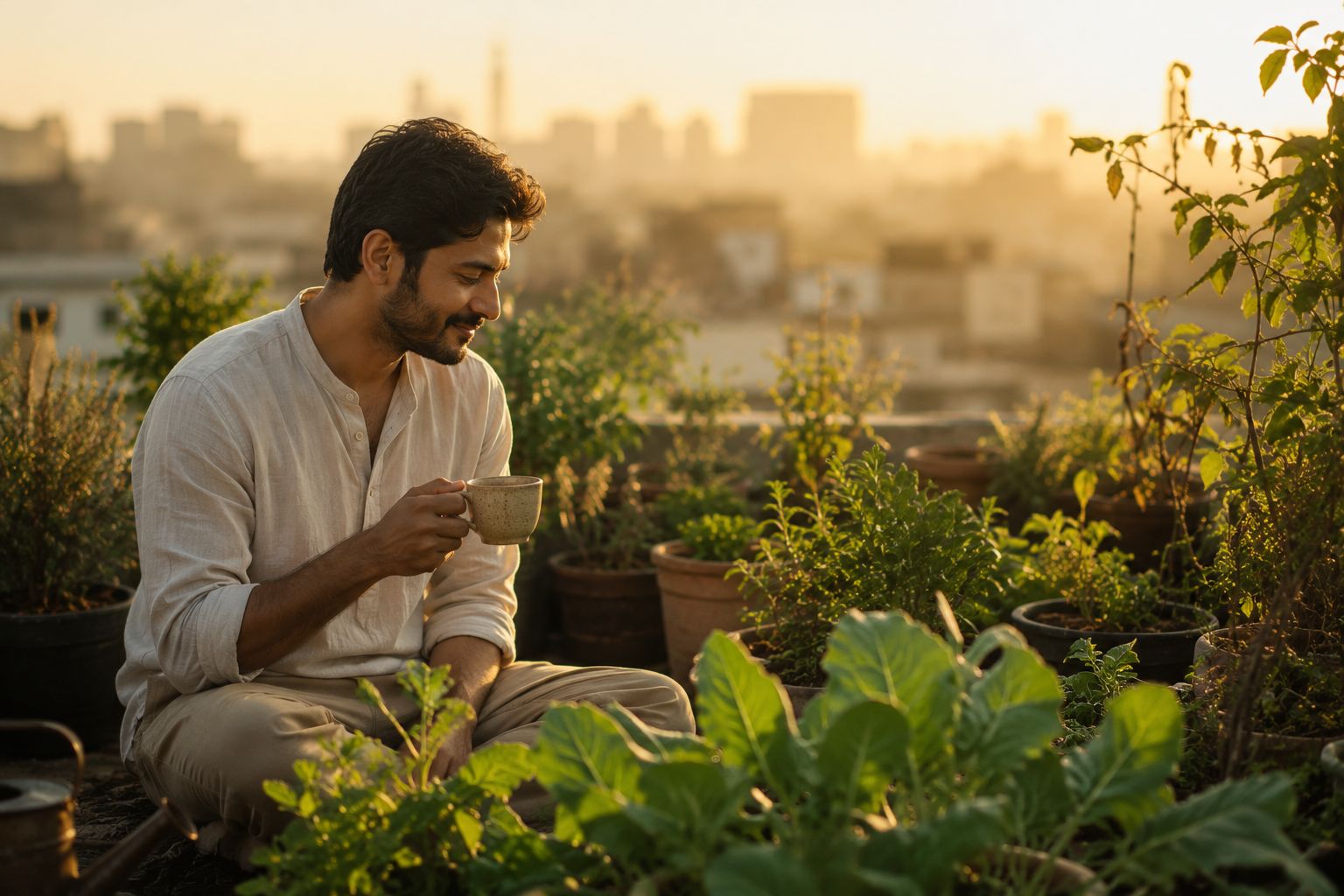
A 2011 study in the Journal of Health Psychology found that gardening after a stressful task reduced cortisol levels more effectively than almost any other recovery activity studied.
A 2017 study in Landscape and Urban Planning found that people growing food in community gardens scored significantly higher in life satisfaction, sense of community, and physical wellbeing than comparable non-growing populations.
The philosopher Simone Weil wrote in the 1940s that the need to put forth effort and feel that effort producing something real was among the most fundamental human needs. When you grow food, the relationship between your effort and your sustenance is direct, visible, and immediate. The tomato you watered this morning is in your salad this evening.
Most people have never felt that in their working lives. The research suggests it is something the brain has been looking for the entire time.
The Consequences of Growing Your Own Food
This is the part nobody talks about. Because the consequences are not just practical. They are personal. And for some people, they are life-changing.
When you start growing food, something shifts in how you see yourself. You become less dependent. Not just financially — psychologically. The background anxiety that most people carry without naming — the anxiety of needing the system to function in order to eat — quietly reduces. You have a backup. A small one.But real.
Then something else happens. You start noticing what you eat. Where it came from. What is in it. People who grow food almost universally report eating better — not because they are trying to, but because the food in front of them is fresh, real, and something they made.You do not let a tomato you grew for six weeks go to waste.
Then the social thing happens. You grow more than you need. You give it away. Neighbours appear. Conversations start at the fence line.A community forms around the surplus — not around an app, not around a shared subscription, but around food. The oldest community formation mechanism in human history.
And then — quietly, gradually — you start asking the question at the top of this page more seriously. Not as a thought experiment.As a plan.
Would the World Allow It?
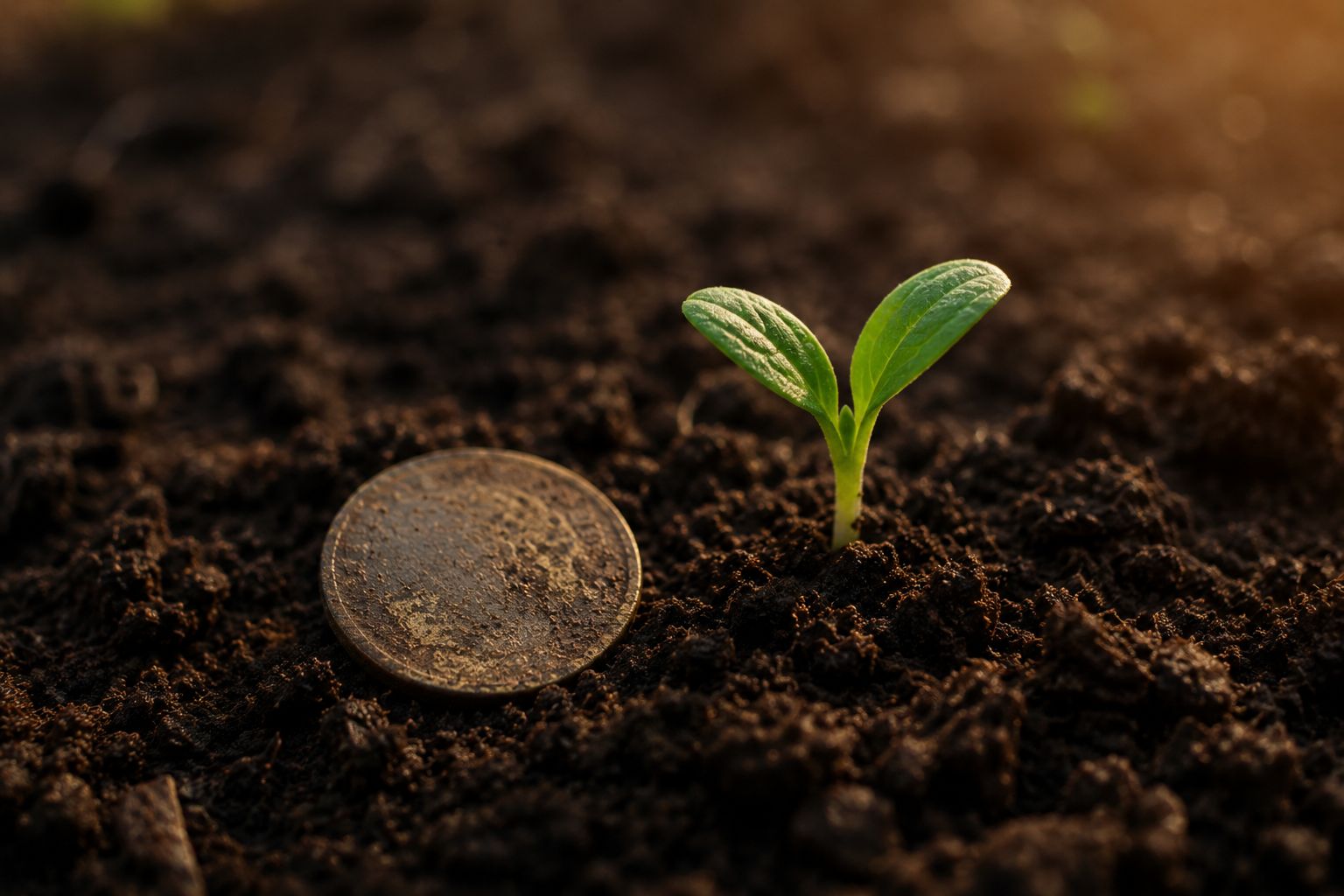
Here is the question hiding underneath the thought experiment.
If enough people grew their own food, supermarket revenues would fall. Food corporations dependent on volume would face pressure.Agricultural commodity prices would shift. The entire financial architecture built on the assumption that you will buy food — every week, forever, without exception — would feel the disruption.
And those who profit from that architecture are not passive.
We have already covered in previous Trend Decode pieces what has happened to the global seed supply. Four corporations now control over 50 percent of commercial seeds. Seedless fruits have made it impossible to grow food from what you eat. Patented seeds legally prohibit saving for replanting. The research that most people call conspiracy actually describes a system specifically designed to prevent the kind of food independence this blog is describing.
The enclosure of common land in 17th century England — which we covered earlier — was the historical version of this. Millions of acres fenced off. Common land privatised. Families who had fed themselves for generations suddenly unable to access the land to do so. The result was a population with no option except factory employment.
The modern version is more sophisticated. It does not fence the land. It patents the seed. It engineers the fruit to be sterile.It consolidates the food policy organisations. It funds the agricultural research that developing countries adopt. It buys 275,000 acres of American farmland and calls it an investment.
The question of whether the world would allow widespread food self-sufficiency is not paranoid speculation. It is a pattern that has repeated throughout history every time food independence threatened the systems built on food dependence.
The difference now is that you can grow tomatoes in a pot on a balcony. You can grow herbs on a windowsill. You can air layer a mango tree in a city apartment. The barrier to beginning is the
lowest it has ever been in human history. And beginning — however small — is the part that matters.
The Honest Answer
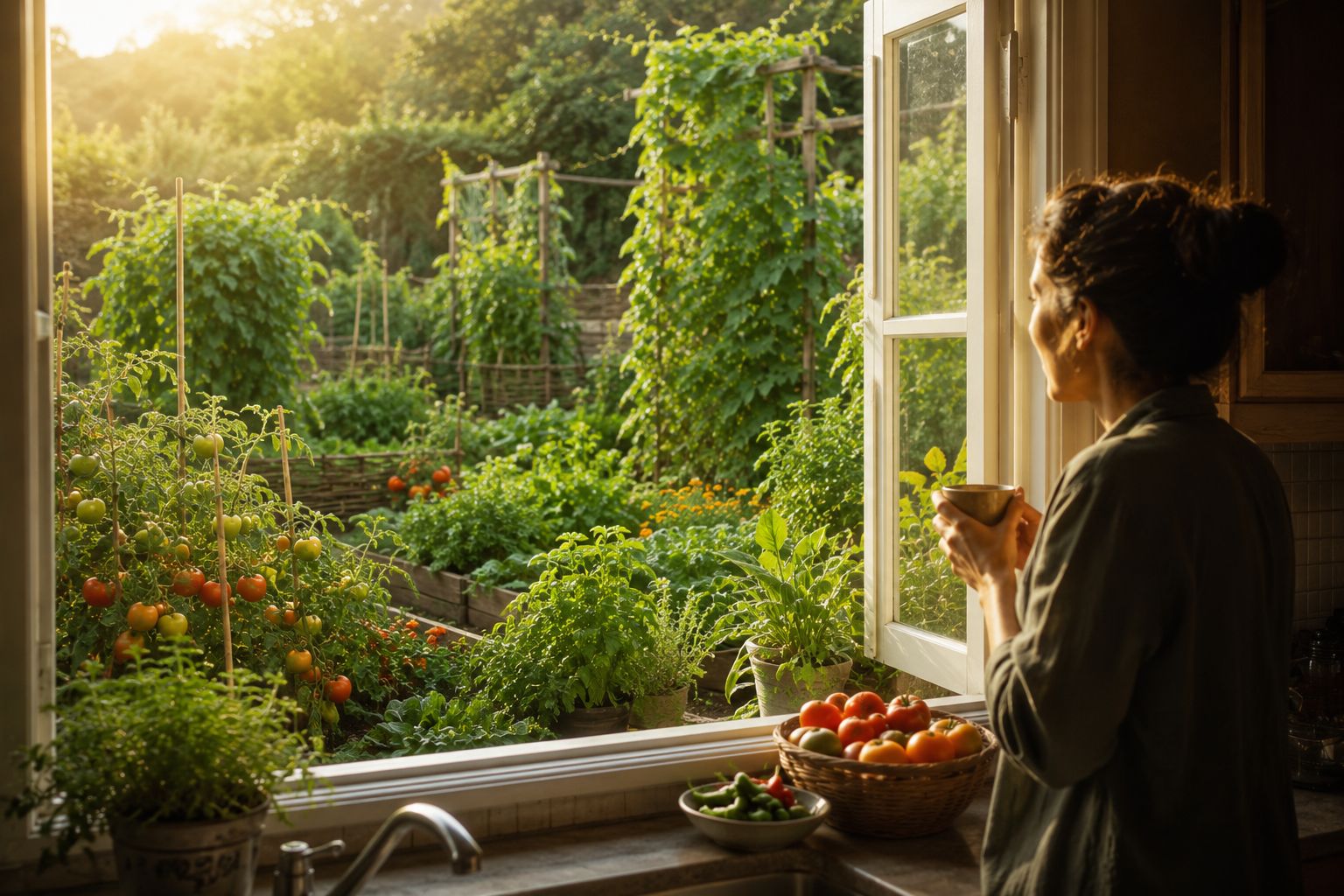
Would you still need to work if you grew your own food? Probably yes.
But you would work differently. Work done from abundance — when food is covered — is fundamentally different from work done because the alternative is not eating. One is a choice. The other is not.
And options, it turns out, are what freedom actually is.
The reason this question feels radical is not because the answer is complicated. It is because the system we live inside depends on most people never asking it.
A tomato you grew yourself does not just taste better. It means something the modern world works quite hard to make you forget.
That you are capable of feeding yourself.
That the ground — or the pot on your balcony — is capable of producing food.
That the relationship between a human being and the earth that feeds them is older, simpler, and more powerful than any economy built on top of it.
Start Somewhere
You do not need land. You do not need a farm. You do not need to answer the full question before you begin.
You need a pot. Some soil. A seed.
Seedora has written guides on growing everything — from mint in seven days to aeroponic towers to air layering fruit trees in an apartment. Every guide is free. Every one is written for someone beginning, not someone who already knows.
The question of what your life looks like when you grow your own food is not answered in theory. It is answered the first morning you walk to a pot on your balcony and take something from it for breakfast.
Start with one thing.
Sign up to Seedora — it genuinely helps us keep writing for you.Share this with someone you think is ready to ask the question.