Why Does the World's Largest Private Farmland Owner Also Control the Global Seed Supply?
There is a question that gets asked on Reddit, on podcasts, in comment sections, and in conversations between people who have started paying attention to where their food comes from.
The question is simple: why is the same small group of people buying farmland, funding seed companies, setting food policy through international organisations, and investing in synthetic food — all at the same time?
This blog will not speculate. It will present what is documented, what is sourced, and what is verifiable. Then it will ask the questions that the documented facts make necessary.
The Farmland
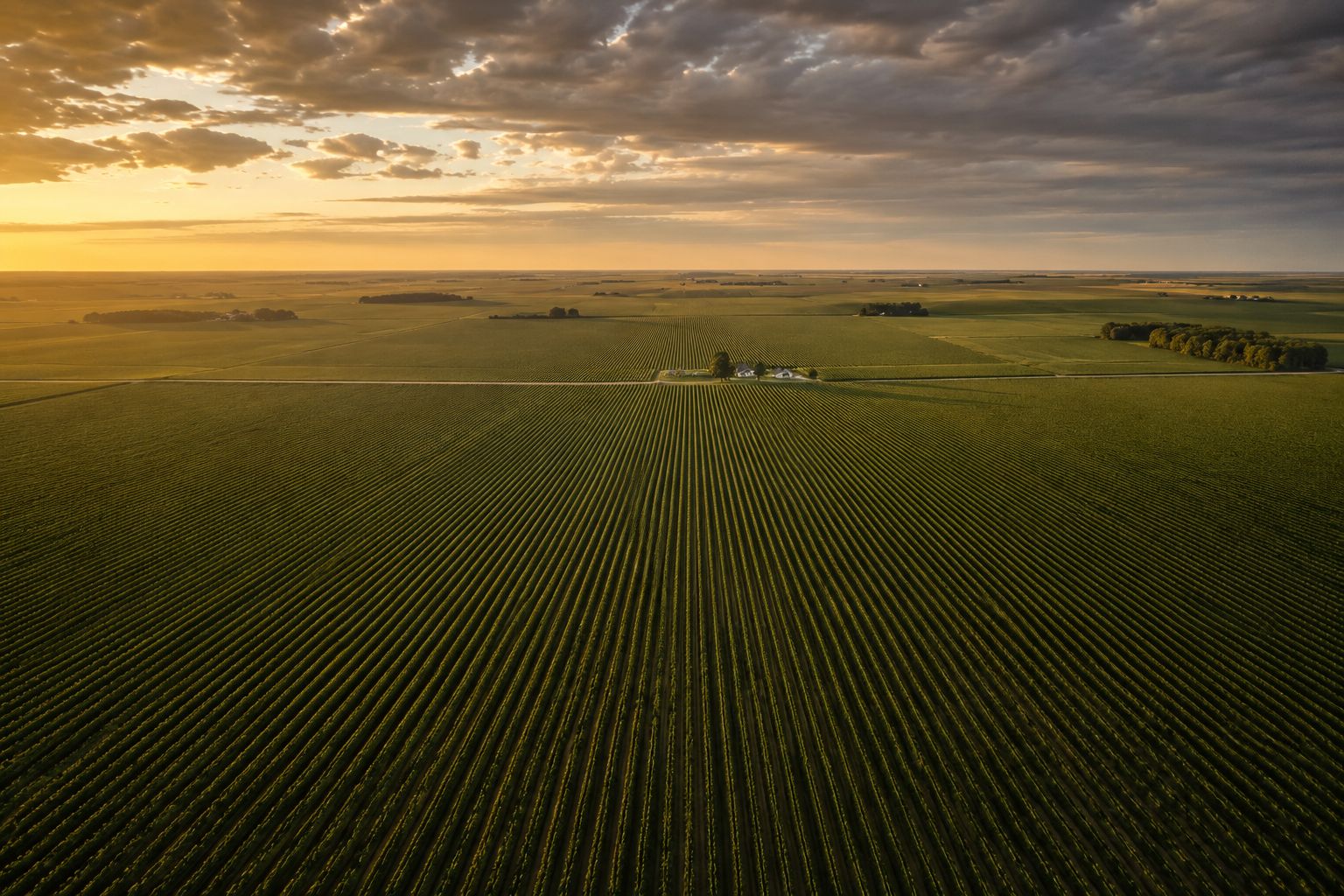
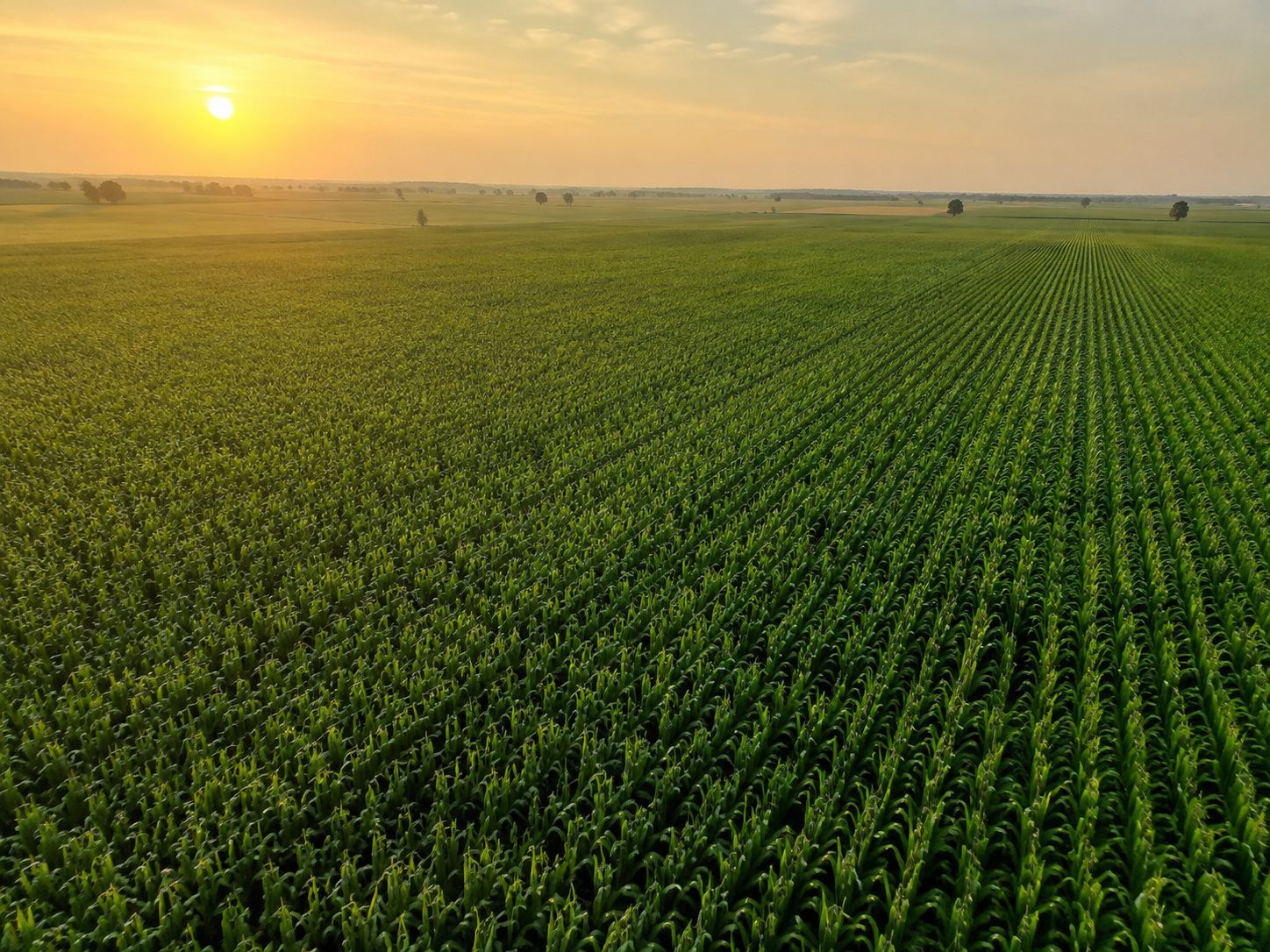
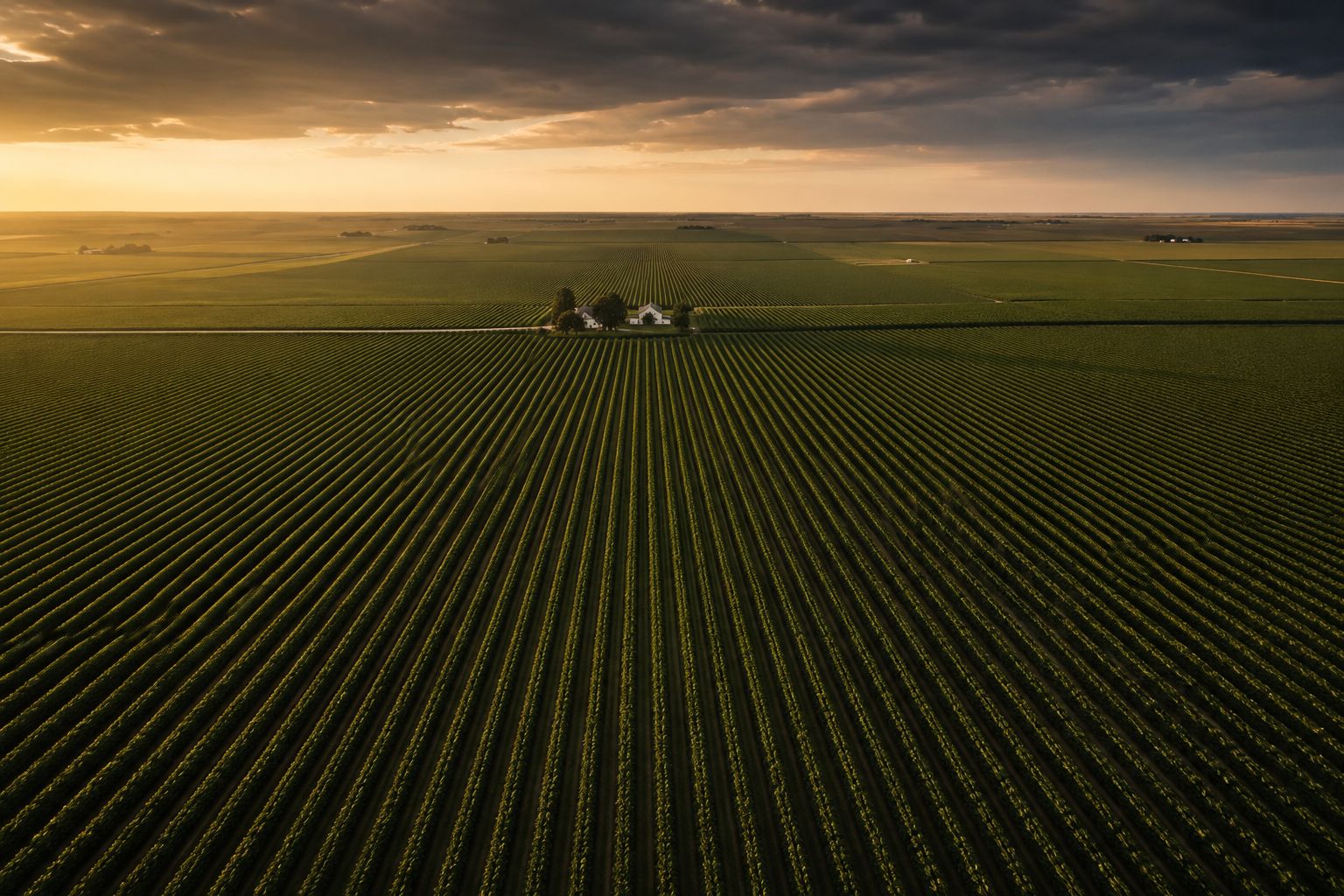
The 2025 Land Report, which tracks land ownership across the United States, confirmed that the largest private farmland owner in America holds approximately 275,000 acres of agricultural land across 19 states. Of that, roughly 248,000 acres is active farmland. This is not inherited land. It was purchased, systematically, between 2013 and 2018, through a private investment vehicle called Cascade Investment LLC.
The largest single purchases included a deal worth approximately 520 million dollars for farmland assets previously held by the Canada Pension Plan Investment Board, and a 171 million dollar acquisition of prime agricultural land in Washington State's Horse Heaven Hills, purchased at nearly 12,000 dollars per acre. In Nebraska alone, there are 20,000 acres spread across 19 counties, purchased for approximately 113 million dollars.
Louisiana leads with over 69,000 acres. Arkansas holds approximately 47,000 acres. Arizona contributes 25,000 acres. Washington State adds 16,000 acres. The holdings are concentrated in the Mississippi Delta, the Midwest corn and soybean belt, and the Pacific Northwest wheat and apple regions.
When asked directly about the purpose of these purchases in a 2023 Reddit AMA, the owner's stated response was: "I own less than 1/4000 of the farmland in the US. I have invested in these farms to make them more productive and create more jobs. There isn't some grand scheme involved — in fact all these decisions are made by a professional investment team."
That is his answer. The fact that it required answering at all reflects how widely the question is being asked.
The Seed Patents
Now consider what the same entity's philanthropic foundation has been doing simultaneously.
As documented in our previous Trend Decode pieces, the same foundation has invested over 170 million dollars in GMO crop development, primarily targeted at Africa and South Asia. It co-founded AGRA — the Alliance for a Green Revolution in Africa — in 2006, which by 2020 had resulted in a 30 percent increase in undernourishment across its 13 target countries, as documented by Tufts University's Global Development and Environment Institute.
The foundation has significant documented financial ties — through investment and funding — to Bayer, which completed a 66 billion dollar acquisition of Monsanto in 2018, and to Corteva, which controls 19 percent of the global seed market. Between them, four corporations now control more than 50 percent of all commercial seeds planted globally.
These corporations hold utility patents on those seeds. Under utility patent, seeds cannot be saved, replanted, or shared. Every farmer who plants patented seed must buy new seed from the patent holder every single year.
A foundation that promotes food security in developing countries while funding the companies that make those developing countries permanently dependent on purchasing seed from a small number of corporations is doing two things simultaneously that deserve to be examined in the same sentence.
The Contraceptive Corn
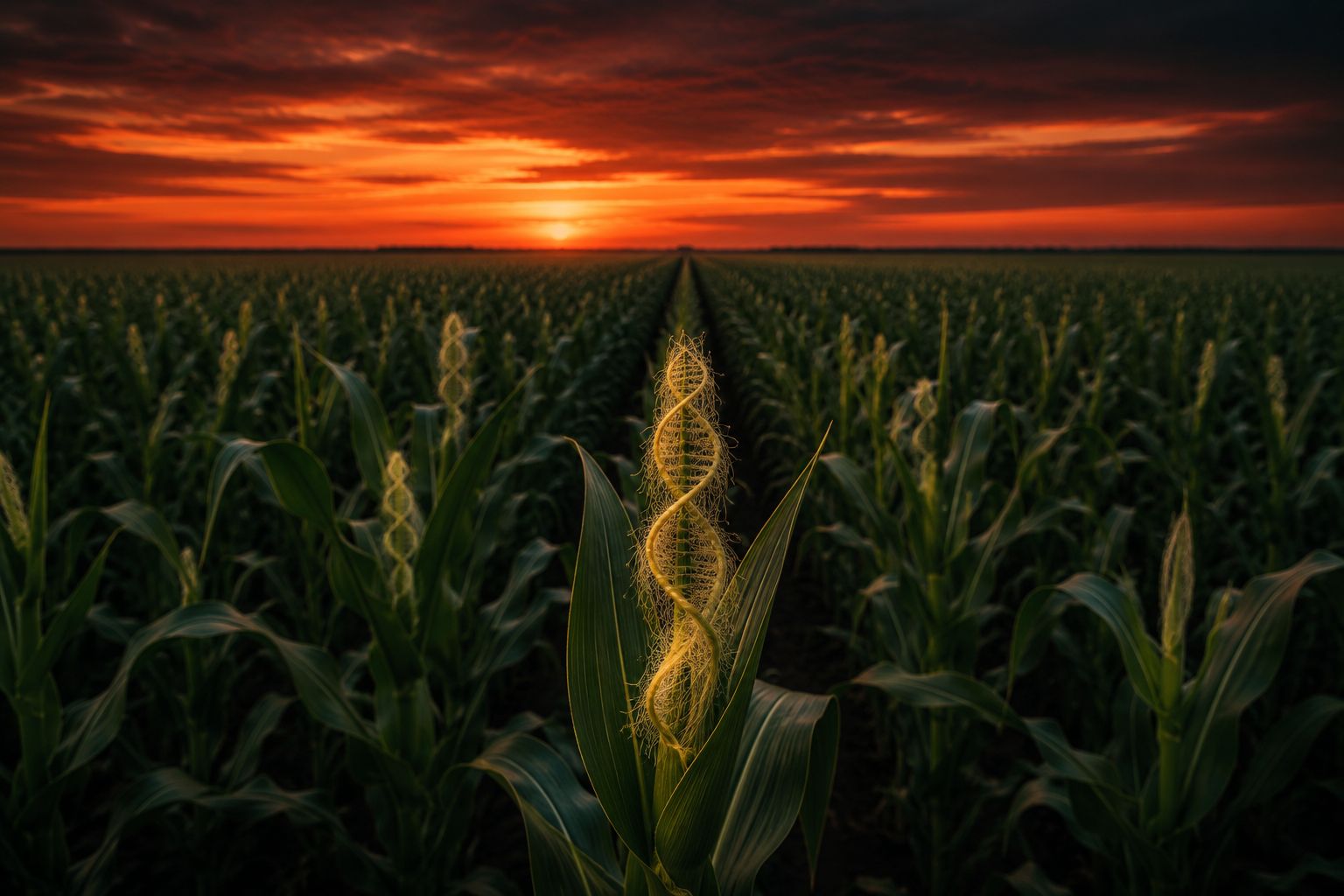
In 2001, a biotechnology company called Epicyte Corporation announced in a press conference covered by The Guardian and the New York Times that it had successfully engineered corn to produce human anti-sperm antibodies. The company's president described the mechanism plainly: men who consumed the corn would produce antibodies targeting their own sperm. Women who consumed it would produce antibodies that neutralised sperm after intercourse.
The research was funded by the United States Department of Agriculture — American taxpayer money. The stated purpose was contraception. The delivery mechanism was a staple food crop.
Epicyte was acquired in 2004. The patents moved to Biolex. Rights connected to the research were subsequently acquired by DuPont and Monsanto — now owned by Bayer, the same company with documented investment ties to the same foundation that is buying farmland and funding GMO agriculture in the world's highest birth-rate regions.
The same entity that funds GMO seed programmes in Africa and South Asia — both regions with the world's highest birth rates — has documented financial connections to corporations that hold patents connected to research on fertility-reducing corn.
These are not allegations. They are documented acquisitions, documented investments, and documented research — connected by a paper trail of corporate ownership and foundation funding.
The Organisations Nobody Voted For
This is where the question of who runs these systems becomes unavoidable.
The World Economic Forum — founded by Klaus Schwab, headquartered in Geneva, Switzerland — describes itself as "the International Organization for Public-Private Cooperation." It is not a government. No citizen of any country voted for it. No democratic process produced its agenda. Yet it sets policy frameworks that national governments adopt, funds initiatives that shape food systems across multiple continents, and hosts annual meetings in Davos where heads of state sit alongside the same corporate leaders whose companies profit from the policies being discussed.
The WEF is funded by membership fees from approximately 1,000 corporations, plus contributions from wealthy individuals including the same foundation discussed above, George Soros through his Open Society Foundation, Jeff Bezos, and Larry Fink of BlackRock — one of the world's largest investment management firms. The WEF's own published Annual Report lists Laurence Fink of BlackRock, Ajay Banga of the World Bank, and Kristalina Georgieva of the International Monetary Fund among its Board of Trustees.
The head of the World Bank, the head of the IMF, and the CEO of the world's largest investment firm sit on the board of a private organisation that sets food, energy, and agricultural policy for much of the world. The WEF has explicitly tied its agenda to the United Nations' 2030 Sustainable Development Goals.
The UN's Special Envoy for the 2021 Food Systems Summit — the meeting that was supposed to represent the interests of the world's farmers — was Agnes Kalibata. She is simultaneously a member of the WEF's Global Future Council and the president of AGRA — the Gates-funded programme that resulted in increased hunger across Africa. The person chosen to lead a United Nations food summit was a senior figure in the same programme documented to have made hunger worse in the countries it was supposed to help.
As the Institute for Agriculture and Trade Policy — IATP — documented in a formal letter to the UN Secretary General: the appointment "threatens the foremost inclusive, democratic and multilateral mechanism involved in setting global governance of food and agriculture."
The Pattern
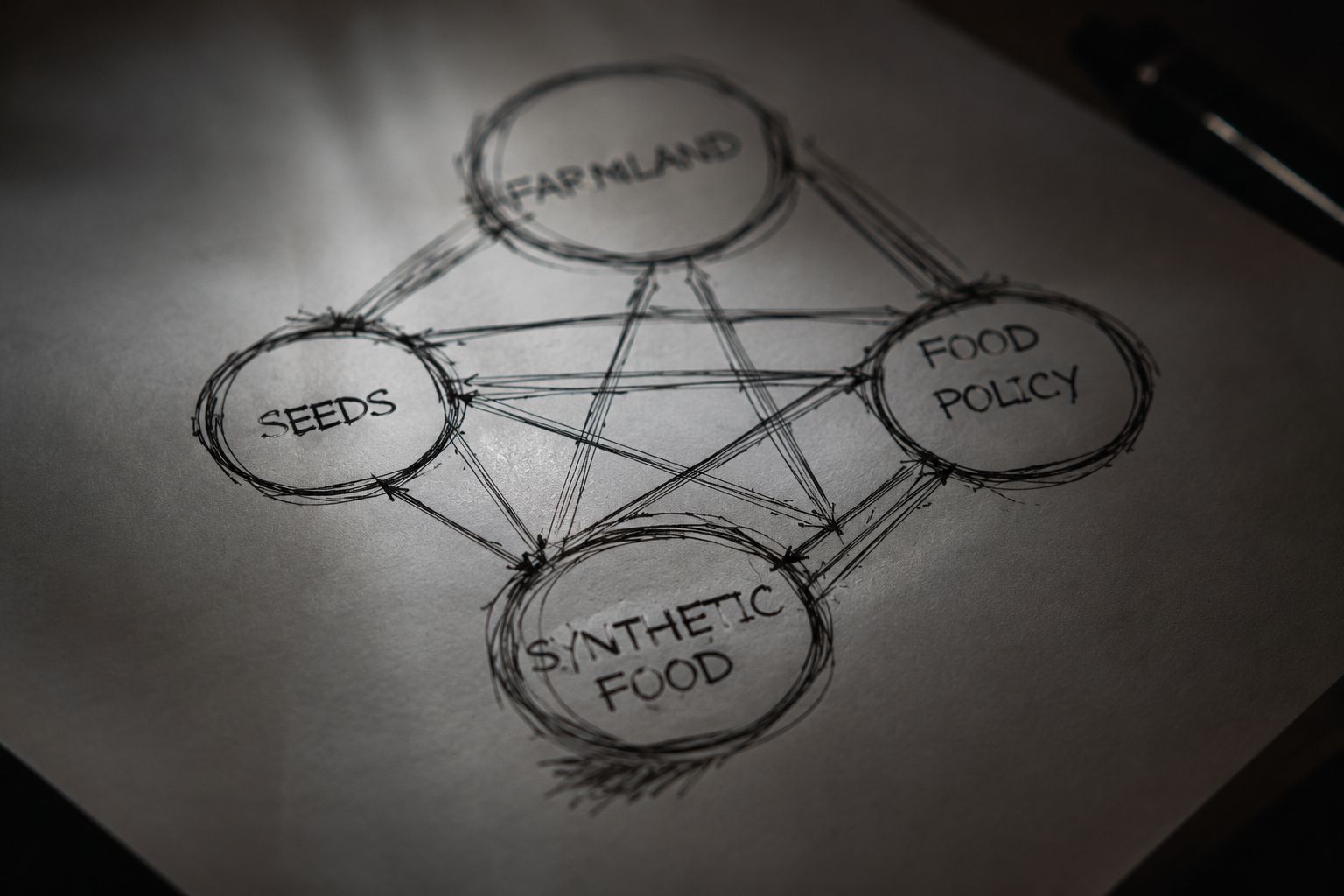
Let us state clearly what the documented record shows, with no embellishment:
The same private investment vehicle that purchased 275,000 acres of American farmland also holds financial interests in the companies that control more than 50 percent of global seed patents.
The same foundation that funds GMO agriculture in Africa and South Asia — the highest birth-rate regions on earth — has documented financial connections to corporations that hold patents connected to research on fertility-reducing genetically modified crops.
The same foundation's former programme president was appointed to lead the United Nations' food policy summit — despite her programme being documented as having increased hunger in the countries it targeted.
The same organisation — the WEF — that calls for restructuring global food systems is funded by the same individuals whose companies benefit from controlling food production, seed supply, and agricultural land.
When you own the land, control the seeds, set the policy, fund the research, and direct the international organisations that govern it all — you do not need a grand scheme. The system produces the outcome on its own.
Why Google Deindexes Blogs Like This
This section exists because several people have asked why content connecting these documented facts tends to disappear from search results, get labelled as misinformation, or be suppressed on social media platforms.
The answer is structural, not mysterious.
Google's search algorithm is funded by advertising revenue. Google's largest institutional investors include BlackRock and Vanguard — two of the world's largest investment management firms. BlackRock's CEO sits on the WEF Board of Trustees. Vanguard is a major shareholder in Bayer, Corteva, and most of the corporations discussed in this piece.
When a piece of content is flagged as "misinformation," the determination of what constitutes misinformation is made by fact-checking organisations. Many of those organisations receive funding from — you may be able to predict the next words — the same foundations and corporate networks discussed in this blog.
Full Fact, one of the UK's most prominent fact-checking organisations, receives funding from the Google News Initiative. PolitiFact receives funding from the Gates Foundation. Snopes is funded partly by advertising from Google. The organisations that determine what is true and what is suppressed are funded by the organisations whose activities they are evaluating.
This is not a conspiracy. It is a conflict of interest. One that is documented, publicly disclosed in funding reports, and almost never mentioned in the content those organisations produce.
A blog that connects documented facts about farmland ownership, seed patents, and food policy is not misinformation. It may, however, be inconvenient — which is a different category, and one that search algorithms are not designed to distinguish.
What About Synthetic Food
One more documented thread before the close.
The same foundation has invested in synthetic meat and lab-grown food companies, including Impossible Foods — co-funded by Google, Jeff Bezos, and the Gates Foundation — which produces imitation meat. Recent lab tests found glyphosate levels in Impossible Foods products at 11 times the concentration found in its closest competitor. Glyphosate is the active ingredient in Roundup — a herbicide manufactured by Monsanto, now owned by Bayer.
The progression is worth reading slowly:
Patented GMO seeds that require Roundup to function. Roundup applied to crops. Those crops processed into synthetic food. Synthetic food marketed as the sustainable alternative to natural food grown from open seeds. The same company that makes the herbicide the seeds require now owns the patents on the seeds. The same foundation that funds those seeds also invests in the synthetic food that competes with the natural food those seeds were supposed to produce.
Every step of the chain — seed, chemical, land, food, policy — flows through the same interconnected network of foundations, corporations, and international organisations. The farmers who used to sit at the centre of that chain are at the end of it.
The Only Response That Is Entirely Yours
The documented facts in this blog and its predecessors — the seedless fruits piece, the contraceptive corn piece, and now this one — form a coherent picture of a food system being consolidated, one acquisition and one patent at a time, by a small number of entities whose interests are not aligned with the people who eat the food.
You cannot vote them out. You cannot regulate them out — they fund the regulators. You cannot fact-check them out — they fund the fact-checkers. You cannot search-engine your way to accountability — they fund the algorithms.
What you can do is grow food that does not belong to any of them.
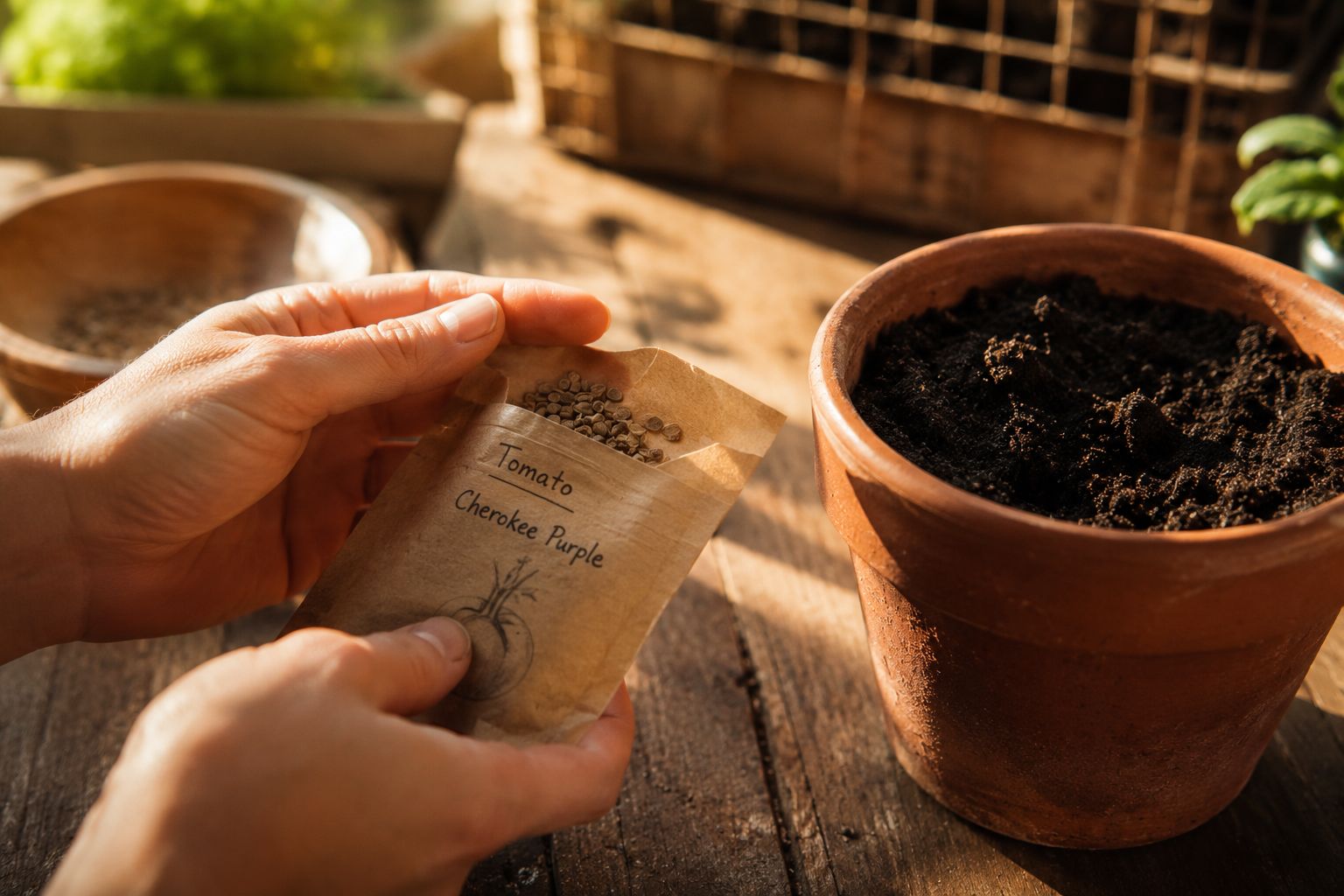
An open-pollinated tomato seed saved from your own harvest this autumn carries no patent. It is not on anyone's balance sheet. It does not require a licence, a subscription, or a corporate supply chain. It is a living thing that produces another living thing that produces another, in a cycle that predates every entity discussed in this piece by thousands of years.
The act of growing your own food from seed you save is the most direct form of independence available to an ordinary person in a food system being systematically consolidated above them.
It will not fix the system. But it will remove you, your household, and your family from dependence on it — one season at a time. And if enough people do it, it becomes something larger than independence. It becomes a statement about who the food system is supposed to serve.
It was always supposed to serve the people who eat.
By Seedora Store — Trend Decode Series.
This is the third in a connected series. Also read:
— The Rise of Seedless Fruits: Convenience or Corporate Control?
— Contraceptive Corn, Corporate Seeds, and the Hunger Narrative
Sources: Land Report 100, 2025, largest private farmland owners; Benzinga/Yahoo Finance, Gates farmland 275,000 acres (2025); Barchart, Gates farmland 0.03% US total; Lifestylenetworth, Gates land map by state 2025; Potato News Today, Gates farmland analysis (September 2025); IATP, WEF corporate takeover of food governance (2020); WEF Annual Report 2024-2025, Board of Trustees; Substack By George Journal, WEF UN partnership (2024); Books Behind Borders, elite network analysis (2025); Timothy Wise, Tufts GDEI, AGRA analysis (2020); GRAIN, Gates Foundation food direction critique (2021); Corporate Europe Observatory, seed patent concentration (2022); The Guardian and New York Times, Epicyte Corporation press conference (2001); Scientific American, African researchers on Gates food policy (2024); Church of God News, WEF EAT Forum Bayer connection (2021).