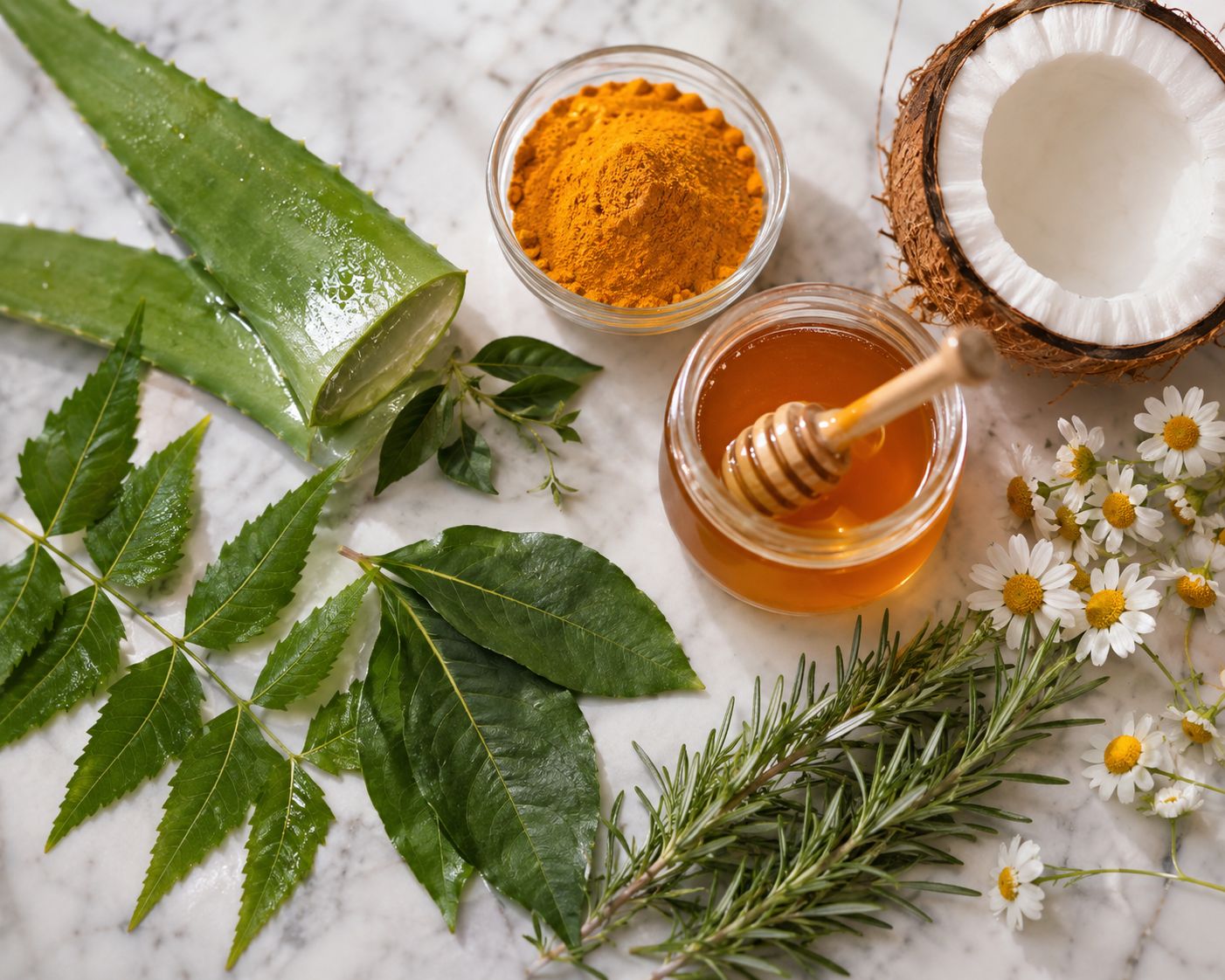
Nature's Pharmacy: What to Use on Your Skin, Hair, and Body
Walk into any pharmacy or beauty store and you will find hundreds of products with ingredient lists that read like a chemistry exam. Paragraphs of synthetic compounds, preservatives, and stabilisers, each one there to replicate something that a plant does naturally — but cheaper to manufacture and easier to package.
The global cosmetics industry was valued at over 380 billion dollars in 2023. A significant portion of that value is built on selling people synthetic versions of what their gardens already contain.
This guide goes back to the source. Every plant below is supported by peer-reviewed research — published in journals including PubMed, Karger, Springer, and Frontiers in Pharmacology. The problems are real. The plants are real. The evidence is real.
The Problem With Commercial Cosmetics First
Before the plants, one honest paragraph about what you are currently putting on your skin.
A 2024 editorial published in Frontiers in Pharmacology noted that growing consumer awareness about the health and environmental impacts of synthetic cosmetics is driving a significant shift toward plant-based alternatives. Parabens, phthalates, synthetic fragrances, and sodium lauryl sulphate — found in most commercial shampoos, moisturisers, and cleansers — are linked in multiple studies to skin irritation, hormonal disruption, and environmental damage.
Your skin is the largest organ in your body. It absorbs a significant proportion of what you put on it. The assumption that a cosmetic product is safe because it is commercially available is one that the research increasingly challenges.
The plants below are not alternatives to cosmetics. They are the originals.
Are Commercial Cosmetics Giving Us Cancer?
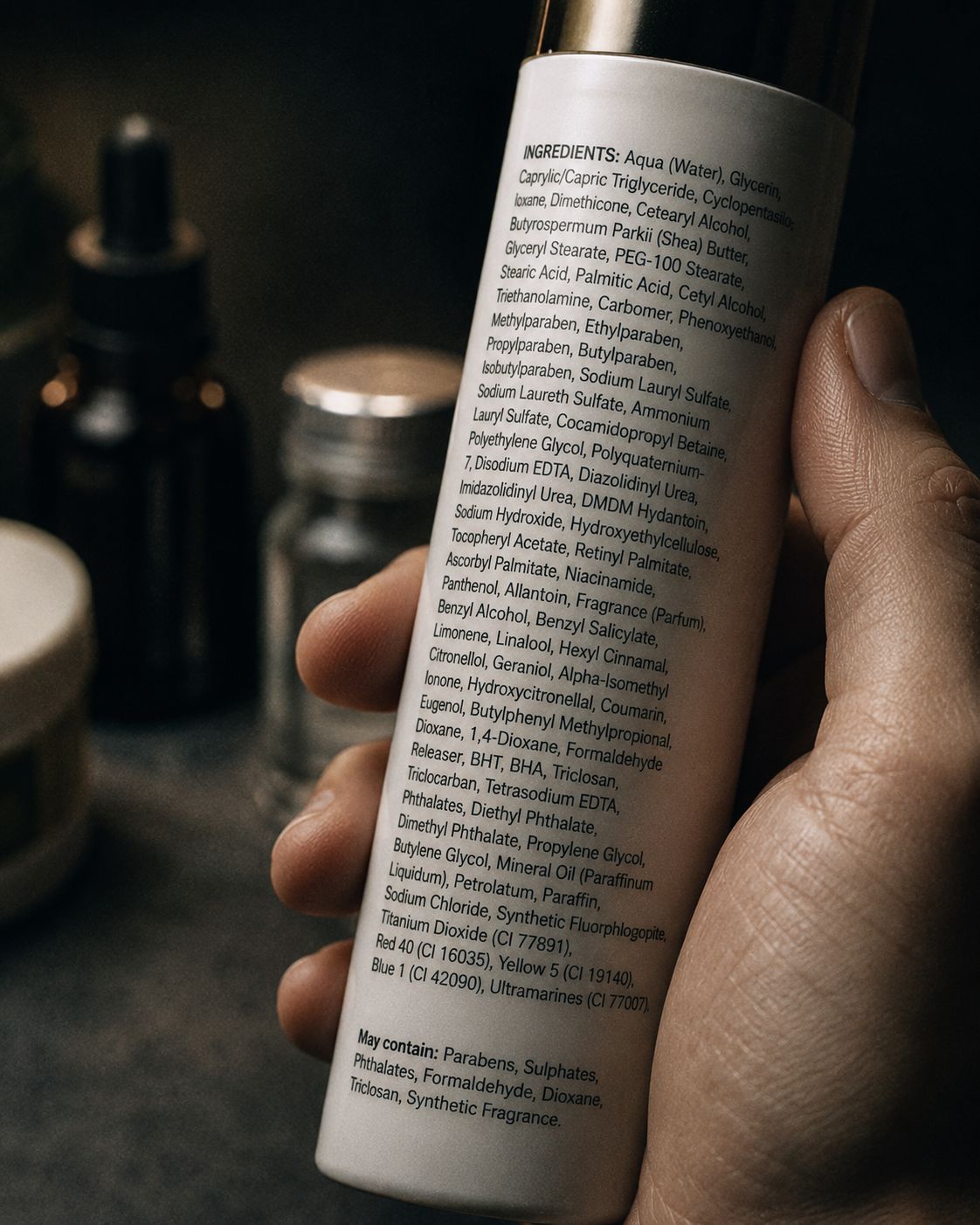
The question is not comfortable. But the research makes it necessary.
The European Commission's Scientific Committee on Consumer Safety has identified several common cosmetic ingredients as either confirmed or suspected carcinogens. Formaldehyde — used as a preservative in shampoos, nail polishes, and hair straightening treatments — is classified as a Group 1 human carcinogen by the International Agency for Research on Cancer. It is still legally present in cosmetic products sold across multiple markets.
Parabens — methylparaben, propylparaben, butylparaben — are preservatives found in the majority of commercial moisturisers, shampoos, and body lotions. A 2004 study published in the Journal of Applied Toxicology, conducted by Dr. Philippa Darbre at the University of Reading, found intact paraben molecules in 18 out of 20 human breast tumour samples. Parabens mimic oestrogen in the body.
Oestrogen-sensitive breast cancer depends on oestrogen to grow.The study did not establish causation. But it established presence — meaning parabens applied to skin are absorbed, circulate in the body, and accumulate in breast tissue.
1,4-dioxane — classified as a probable human carcinogen by the US Environmental Protection Agency — is not an intentional ingredient.It is a byproduct of the manufacturing process of sodium laureth sulphate, the primary foaming agent in most commercial shampoos and body washes. Because it is a contaminant rather than an added ingredient, companies are not required to list it. A 2018 report from the Campaign for Safe Cosmetics found 1,4-dioxane present in 47 of 100 children's bath products tested. Children's bath products.
Synthetic fragrances — listed simply as "fragrance" or "parfum" on ingredient labels — are legally considered trade secrets, meaning companies do not have to disclose what is inside them. The word "fragrance" can represent a mixture of up to 3,000 separate chemical compounds, some of which are known allergens, endocrine disruptors, and respiratory irritants. A 2018 study published in Air Quality, Atmosphere and Health found that fragranced consumer products —including cosmetics — emit volatile organic compounds at levels comparable to vehicle exhaust.
The global cosmetics industry generates 380 billion dollars per year.Cancer is a 200 billion dollar per year treatment industry. These two industries are not in competition. They operate alongside each other.The incentive to remove carcinogenic ingredients from cosmetics — in a regulatory environment where the burden of proof of harm sits with the consumer, not the manufacturer — is limited by the cost of reformulation and the absence of legal obligation to act.
This is not a conspiracy. It is a business model. And it is one that every person who understands it has a straightforward response to — stop putting synthetic chemicals on your body and start using what the earth actually made for you.
Problem 01 — Acne and Oily Skin
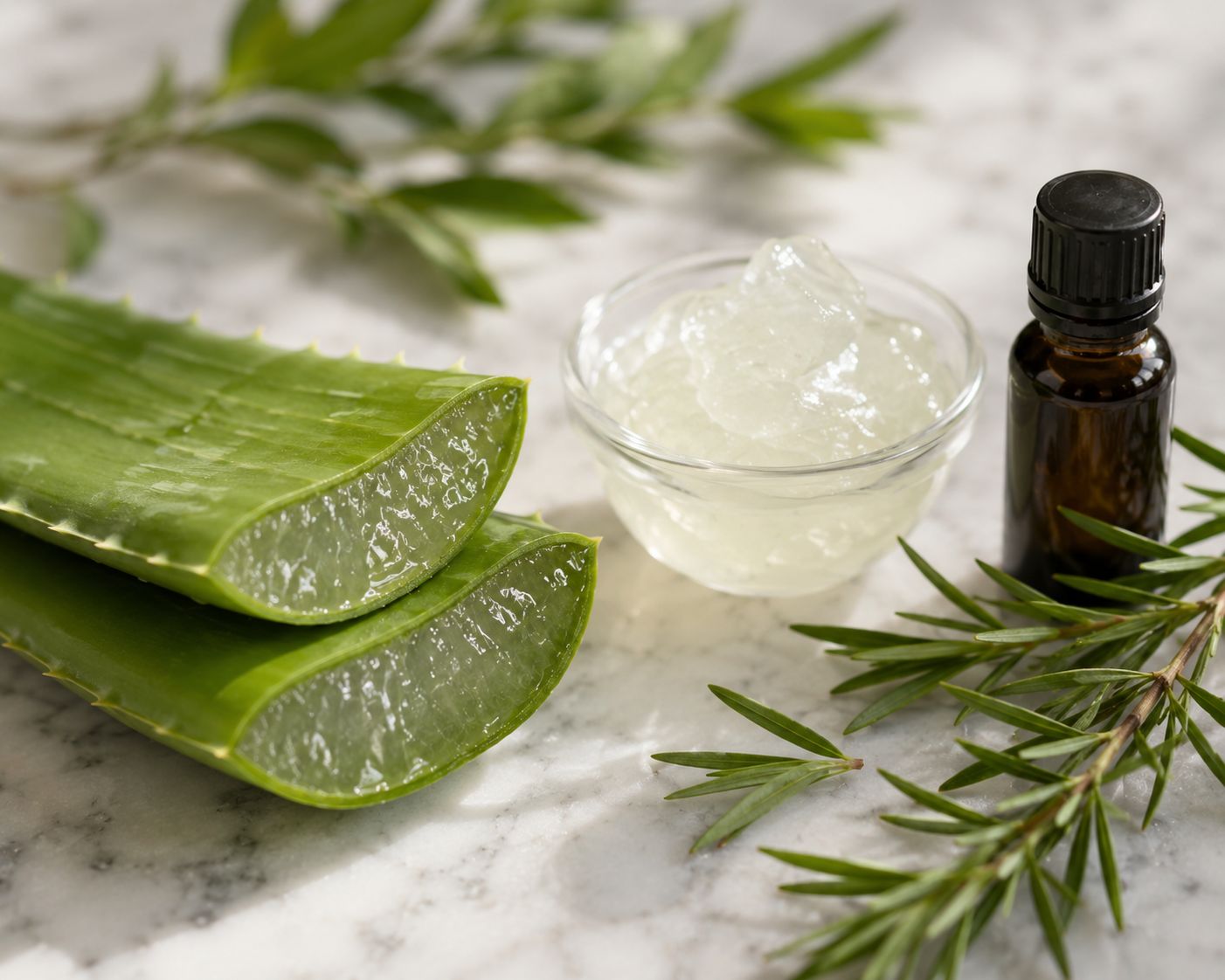
The Plant: Aloe Vera and Tea Tree
Aloe vera has been used for skin conditions for over 6,000 years. The evidence for its effectiveness against acne is now documented in controlled studies. Aloe vera gel contains acemannan — a polysaccharide with documented antimicrobial and anti-inflammatory properties. A 2014 study published in the Journal of Dermatological Treatment found that a combination of tretinoin cream and aloe vera gel was significantly more effective at reducing both inflammatory and non-inflammatory acne lesions than tretinoin alone.
Tea tree oil — extracted from Melaleuca alternifolia — has been studied extensively for acne. A landmark study published in the Medical Journal of Australia found that a 5% tea tree oil gel was as effective as 5% benzoyl peroxide — one of the most common commercial acne treatments — in reducing both inflamed and non-inflamed acne lesions. Tea tree oil worked more slowly but produced significantly fewer side effects. No dryness, no peeling, no redness.
A 2024 review in GSC Advanced Research and Reviews confirmed that tea tree oil's antimicrobial and anti-inflammatory properties make it effective against Cutibacterium acnes — the primary bacteria responsible for acne.
How to use it:
Apply fresh aloe vera gel directly from the plant to clean skin. Leave for 20 minutes, rinse. For tea tree oil — always dilute to 5% in a carrier oil like jojoba or coconut. Never apply undiluted to skin. Use at night after cleansing.
What you need: One aloe vera plant on your windowsill — it produces gel indefinitely. Tea tree essential oil from any health store.
Problem 02 — Hair Loss and Thinning
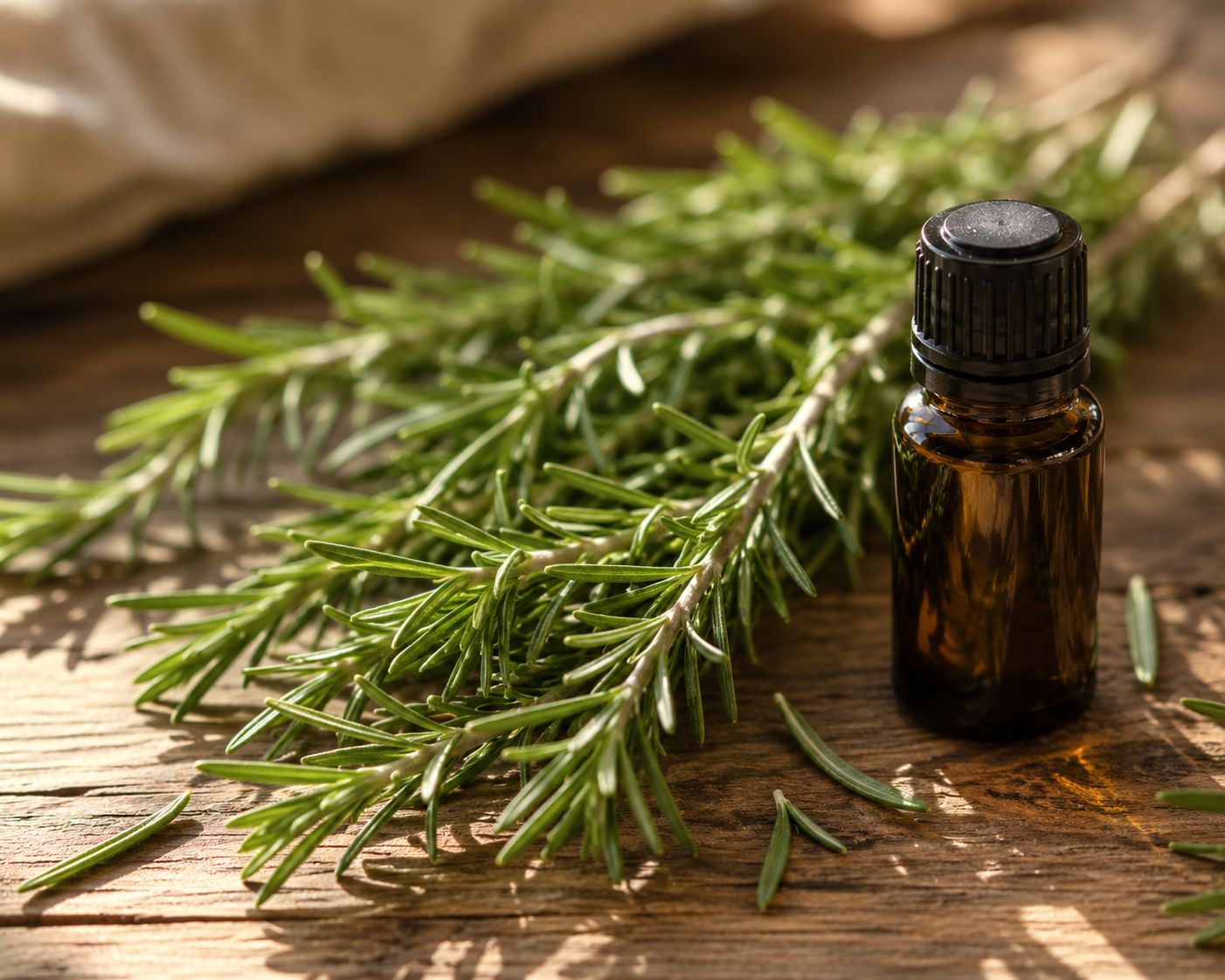
The Plant: Rosemary
Hair loss affects approximately 50 percent of men and 40 percent of women over the age of 50. It is one of the most searched health concerns globally and one where the commercial pharmaceutical options — primarily minoxidil — come with documented side effects including scalp irritation, unwanted facial hair growth, and heart palpitations.
The research on rosemary oil published in Skinmed journal in 2015 changed the conversation. The study compared rosemary oil directly against 2% minoxidil in patients with androgenetic alopecia — the most common form of hair loss. At six months, both groups showed the same significant increase in hair count. Rosemary produced no scalp itching. Minoxidil produced significantly more.
A 2025 mini-review published in a systematic PubMed search covering literature up to 2025 confirmed that rosemary oil promotes scalp microcirculation similar to minoxidil, explaining its mechanism — better blood flow to hair follicles supports follicle activity and hair growth.
Rosemary is a plant you can grow at home. The oil extracted from its leaves and stems is inexpensive, widely available, and backed by direct head-to-head comparison with one of the most commonly prescribed commercial hair loss treatments.
How to use it:
Mix 6 to 10 drops of rosemary essential oil into 30ml of a carrier oil — jojoba, coconut, or castor oil. Massage into the scalp for 5 minutes, 3 to 4 times per week. Leave for at least 30 minutes before washing. Consistent use for at minimum 3 months before assessing results.
What you need: Rosemary plant or rosemary essential oil. A carrier oil.
Problem 03 — Skin Inflammation, Redness, and Eczema
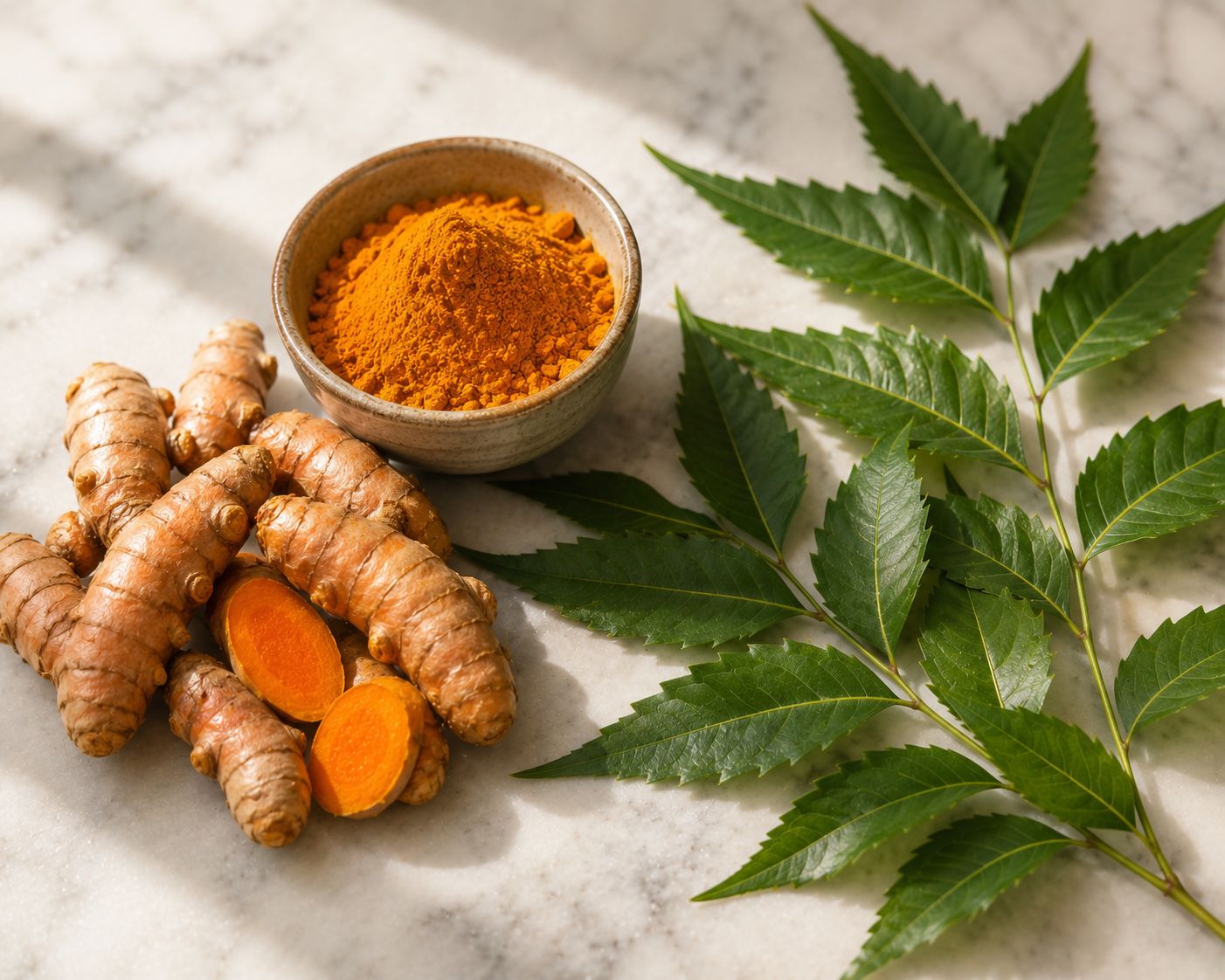
The Plant: Turmeric and Neem
Chronic skin inflammation — including eczema, rosacea, psoriasis, and general redness — affects hundreds of millions of people globally. The commercial treatments are primarily corticosteroid creams, which are effective but associated with skin thinning, discolouration, and hormonal effects with long-term use.
Turmeric contains curcumin, a polyphenol compound with one of the most extensively studied anti-inflammatory profiles in natural medicine. A systematic review published in the journal Phytotherapy Research analysed 10 randomised controlled trials on curcumin and skin conditions. It found significant positive effects on skin inflammation, wound healing, and overall skin health. Curcumin inhibits the NF-κB inflammatory pathway — the same pathway targeted by many pharmaceutical anti-inflammatory drugs.
Neem — Azadirachta indica — contains nimbidin and azadirachtin, compounds with documented antimicrobial and anti-inflammatory properties. A 2024 review in GSC Advanced Research and Reviews confirmed neem as effective against eczema, psoriasis, and acne, with particular strength in conditions involving bacterial or fungal components.
A 2025 review published in Molecules (MDPI) documented the phytochemical composition of medicinal plants used for skin disorders, confirming flavonoids, tannins, and phenolic acids — present in both turmeric and neem — as the primary anti-inflammatory compounds effective against chronic skin conditions.
How to use it:
For turmeric: mix one teaspoon of turmeric powder with two teaspoons of raw honey and a few drops of coconut oil. Apply to affected areas for 15 to 20 minutes, rinse thoroughly. Note that turmeric stains temporarily — use an old cloth.
For neem: neem oil diluted in a 1:10 ratio with coconut oil applied to inflamed areas. Or brew neem leaves in water, cool, and use as a facial toner.
What you need: Turmeric powder from any grocery store. Neem oil or fresh neem leaves.
Problem 04 — Dry and Ageing Skin
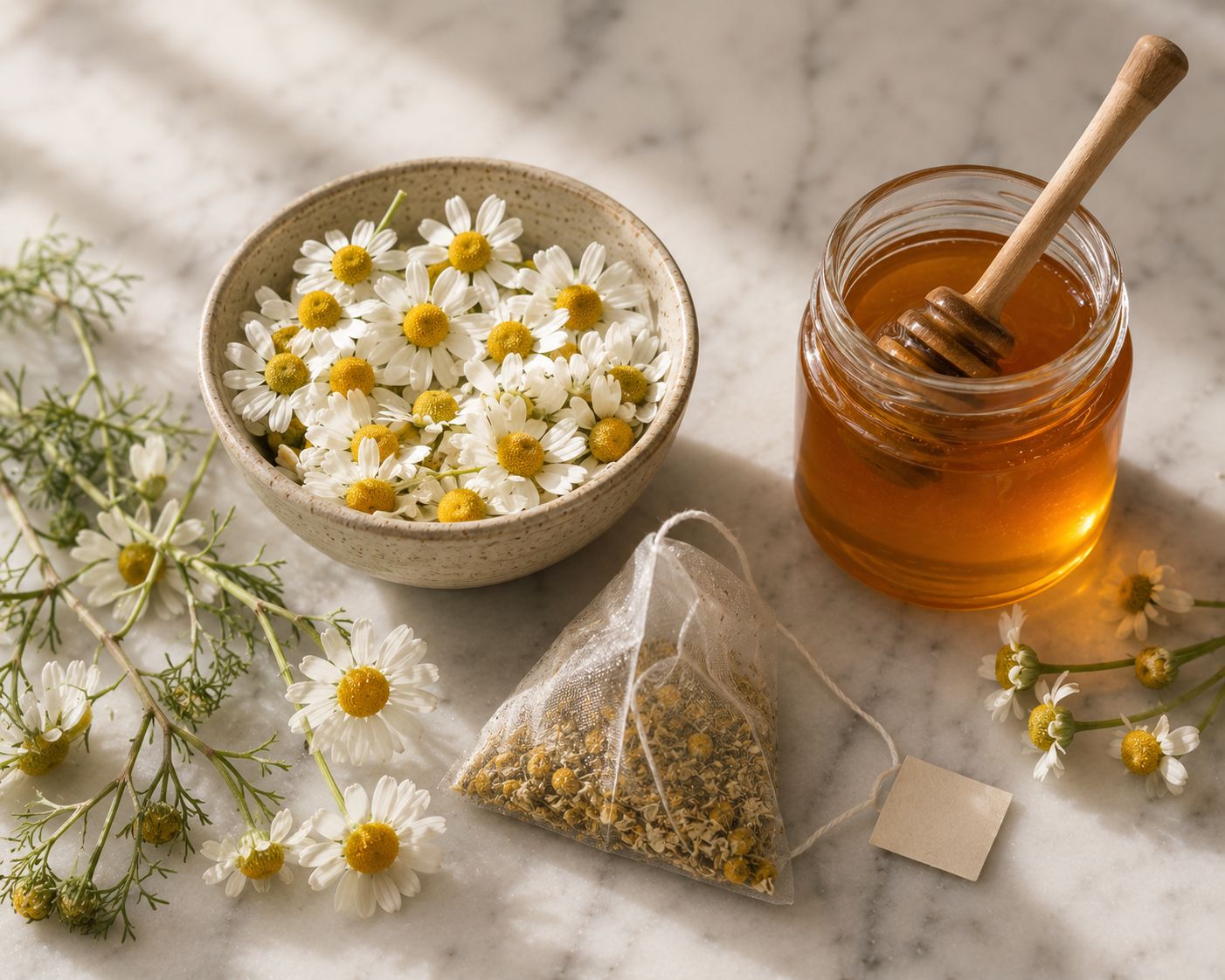
The Plant: Chamomile and Aloe Vera
Dry skin is fundamentally a moisture barrier problem. The outer layer of the skin — the stratum corneum — fails to retain water, leading to tightness, flaking, and over time, the deepening of fine lines.
Chamomile contains apigenin, an antioxidant flavonoid with documented anti-inflammatory and wound-healing properties. A 2017 study published in Molecular Medicine Reports found that chamomile extract accelerated wound healing and skin regeneration by stimulating the migration of fibroblast cells — the cells responsible for producing collagen and maintaining skin structure.
A 2025 review published in Archives of Dermatological Research by Sultan Moulay Slimane University confirmed that hyaluronic acid synthesis in skin cells is boosted by plant polysaccharides — including those present in aloe vera — explaining why aloe vera gel is one of the most effective natural skin hydrators available. Hyaluronic acid holds up to 1,000 times its weight in water and is the primary mechanism by which skin maintains moisture.
The same review confirmed that lycopene — found abundantly in tomatoes — is particularly effective at protecting skin against UV-induced ageing by neutralising free radicals and preventing cellular damage.
How to use it:
Brew chamomile tea, cool completely, apply to clean skin with a cotton pad as a toner. Fresh aloe vera gel applied directly as a moisturiser — it absorbs completely without greasiness. For anti-ageing protection, eating lycopene-rich foods — tomatoes, watermelon — boosts skin protection from within.
What you need: Chamomile tea bags or dried chamomile flowers. One aloe vera plant.
Problem 05 — Dandruff and Scalp Problems
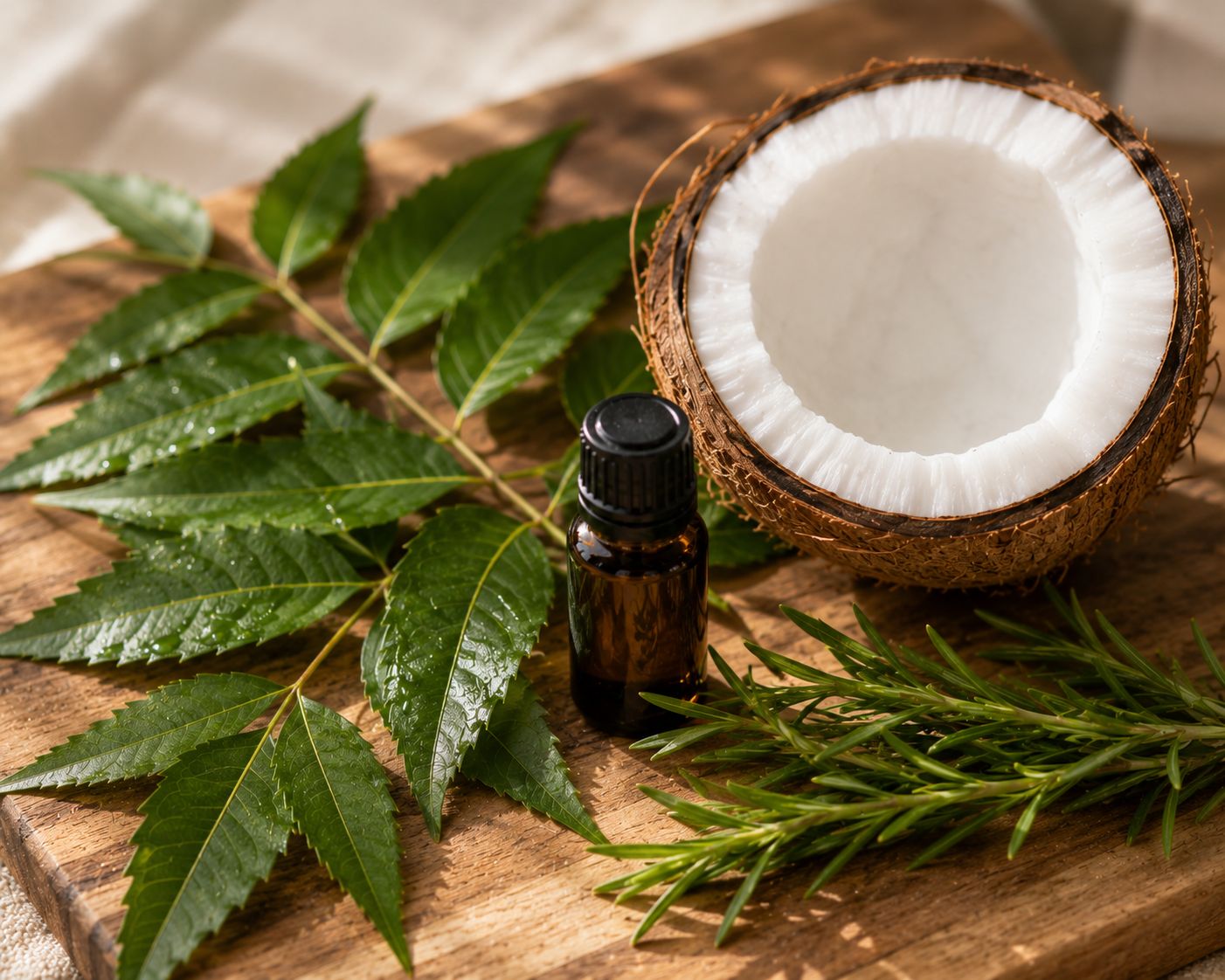
The Plant: Neem, Tea Tree, and Coconut
Dandruff affects approximately 50 percent of adults globally and is primarily caused by Malassezia — a yeast-like fungus that lives on the scalp. Commercial anti-dandruff shampoos address this with zinc pyrithione, selenium sulphide, or ketoconazole — all effective but associated with scalp dryness and long-term microbiome disruption.
A study published in the Journal of the American Academy of Dermatology found that coconut oil was as effective as mineral oil at reducing protein loss from hair in mechanical and UV-induced damage — and superior for scalp conditioning due to its lauric acid content, which penetrates the hair shaft in a way most mineral oils cannot.
Tea tree oil at 5% concentration was studied specifically for dandruff in a randomised, single-blind trial published in the Journal of the American Academy of Dermatology. After four weeks of use, participants showed a 41 percent improvement in dandruff severity. The control group showed 11 percent improvement.
Neem oil contains nimbidin, which multiple studies confirm has antifungal activity against Malassezia species — directly targeting the root cause of dandruff.
How to use it:
Mix 10 drops of tea tree oil and 5 drops of neem oil into 100ml of coconut oil. Warm slightly if solidified. Massage into scalp 1 hour before washing. For active dandruff, add 5 drops of tea tree oil directly to your shampoo bottle and use as normal.
What you need: Tea tree essential oil. Coconut oil. Optional: neem oil.
Problem 06 — Dark Circles and Tired Eyes
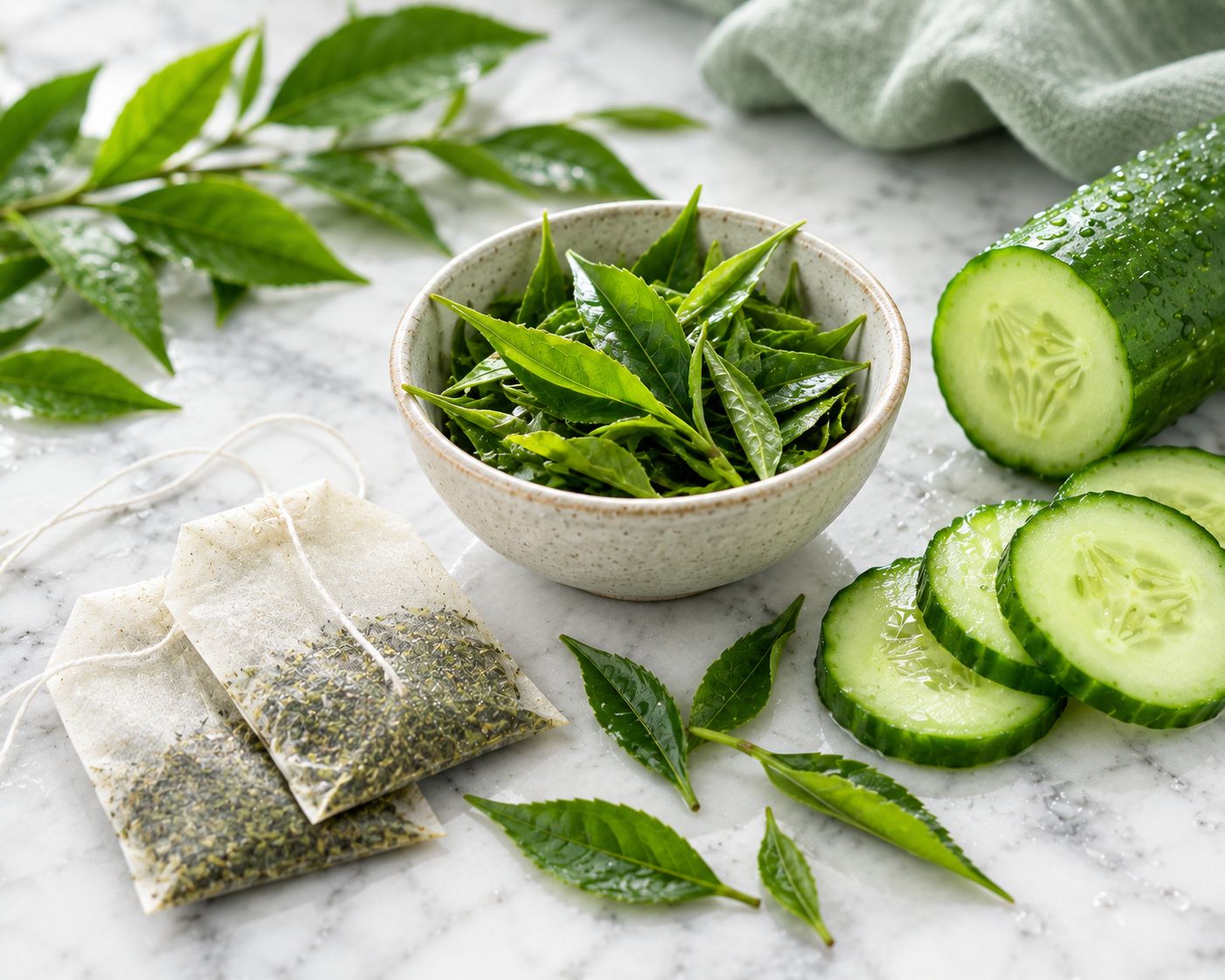
The Plant: Green Tea and Cucumber
Dark circles under the eyes are caused by three things in varying proportions: pigmentation, visible blood vessels showing through thin under-eye skin, and fluid retention causing puffiness. Commercial eye creams — often the most expensive products in any skincare range — typically address these with caffeine, retinol, or vitamin C.
Green tea contains catechins — polyphenol antioxidants that constrict blood vessels and reduce fluid retention. A 2013 study published in the Journal of Drugs in Dermatology found that topical green tea extract containing 10% caffeine and 3% vitamin K improved the appearance of dark circles and reduced puffiness significantly compared to a placebo gel.
Cucumber contains quercetin, a flavonoid with documented anti-inflammatory properties, and silica, which supports collagen production in surrounding skin. The high water content of cucumber provides direct hydration to thin, often dehydrated under-eye skin.
Caffeine from green tea, applied topically, causes vasoconstriction — temporary tightening of blood vessels — which visibly reduces the blue or purple tone of dark circles caused by visible veins.
How to use it:
Brew strong green tea, allow tea bags to cool completely in the refrigerator. Place cool tea bags on closed eyes for 10 to 15 minutes. Alternatively, slice cucumber cold from the refrigerator and place on eyes for the same duration. Consistent use 3 to 4 times per week produces cumulative improvement over 4 to 8 weeks.
What you need: Green tea bags. One cucumber.
Problem 07 — Oily Scalp and Hair
The Plant: Rosemary and Green Tea
An oily scalp is caused by overactive sebaceous glands producing excess sebum. It is frequently worsened by commercial shampoos that strip the scalp too aggressively, triggering a rebound oil production response.
A 2011 study from the University of Seville found that green tea extract applied to the scalp reduced sebaceous gland activity by 56 percent after six weeks of regular use. The epigallocatechin gallate (EGCG) in green tea inhibits the enzyme 5-alpha-reductase, which is responsible for converting testosterone to dihydrotestosterone — the hormone that stimulates sebum production.
Rosemary's proven capacity to stimulate scalp circulation — the same mechanism that makes it effective for hair loss — also supports better sebum regulation across the scalp.
How to use it:
Brew strong green tea, cool completely, and use as a final scalp rinse after shampooing. Do not rinse out. Alternatively, add rosemary sprigs to 500ml of boiling water, steep for 20 minutes, cool, and use as the same type of rinse.
Problem 08 — Wounds, Cuts, and Skin Repair
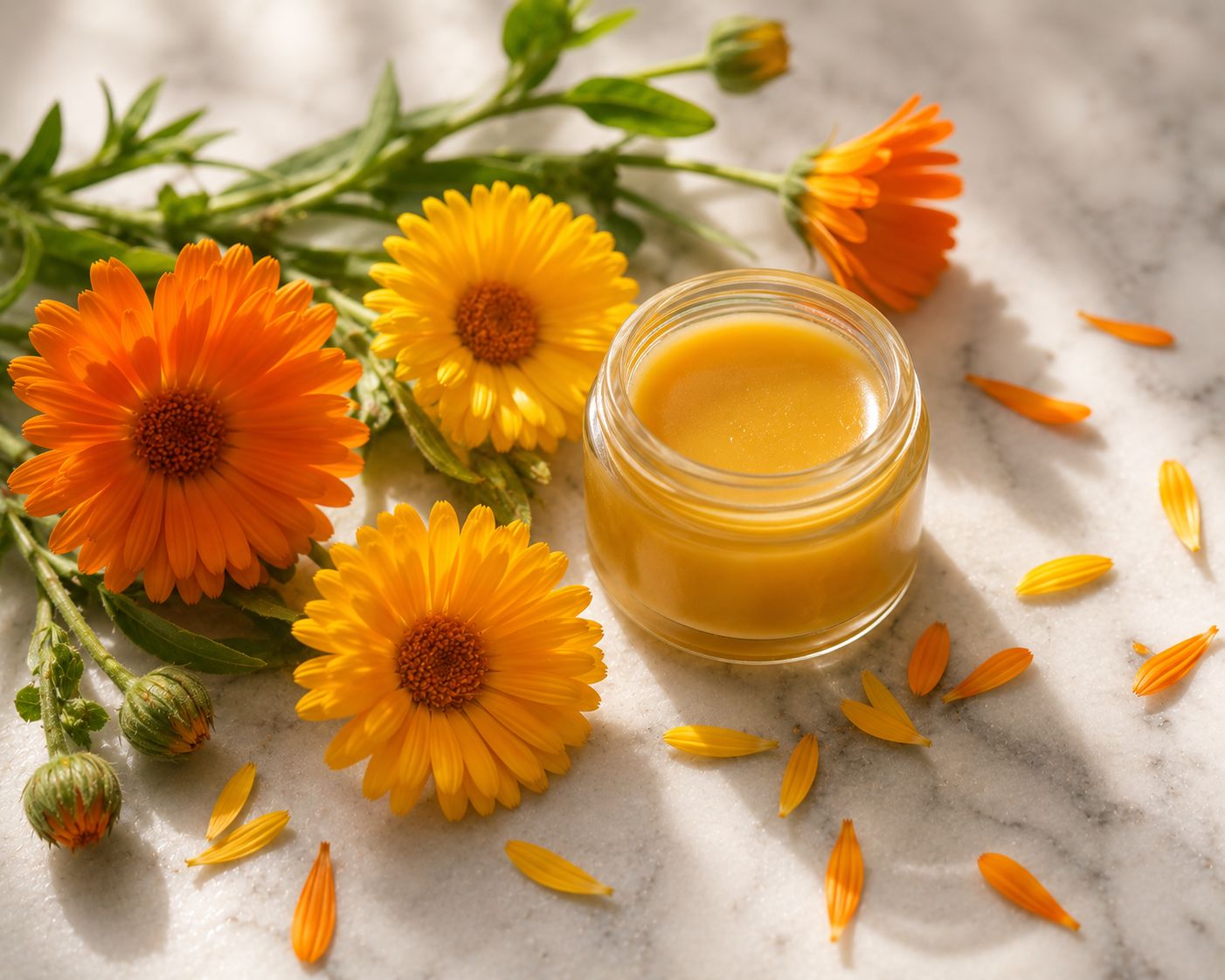
The Plant: Calendula and Aloe Vera
Calendula officinalis — the common pot marigold — has one of the most extensively documented wound-healing profiles in botanical medicine. Its flowers contain triterpenoids, flavonoids, and polysaccharides that have been studied in multiple randomised controlled trials.
A 2013 study published in the Journal of Wound Care found that calendula cream was significantly more effective than petroleum jelly in promoting wound healing after surgical procedures. A 2019 study in the Journal of Clinical Oncology found that calendula cream was more effective than trolamine for the prevention and treatment of acute dermatitis in breast cancer patients undergoing radiotherapy.
Aloe vera's acemannan activates macrophages — the immune cells responsible for clearing debris from a wound and signalling new tissue formation. A 2019 review in the journal Burns confirmed that aloe vera gel accelerated burn wound healing compared to conventional dressings, with shorter healing time and less pain.
How to use it:
Apply fresh aloe vera gel directly to minor cuts, burns, or irritated skin immediately after injury. For ongoing wound care, calendula cream — widely available at health stores or made by infusing calendula flowers in coconut oil for 48 hours, then straining — applied twice daily.
What you need: One aloe vera plant. Dried or fresh calendula flowers.
The Simple Truth
The cosmetics industry exists to solve problems that plants already address. The difference is that a plant cannot be patented, cannot be marketed with a celebrity face, and cannot be priced at sixty pounds for thirty millilitres.
Every plant in this guide is something you can grow, buy fresh at a market, or extract at home with equipment you already own. The evidence behind them is published in the same peer-reviewed journals that pharmaceutical companies cite. It is not alternative medicine. It is medicine that predates the alternative.
Start with one problem. Find the plant. Grow it if you can, buy it if you cannot. Give it eight weeks — because that is how long most studies run before they measure results. The consistency is what produces the outcome.
Your skin, your hair, and your body were formed by nature. The idea that nature does not have what they need was invented by an industry that profits from convincing you otherwise.
By Seedora Store — Health and Wellness Series.
*Sources: Journal of Dermatological Treatment, aloe vera and acne study; Medical Journal of Australia, tea tree oil vs benzoyl peroxide; Skinmed, rosemary oil vs minoxidil (2015); PMC, rosemary oil scalp microcirculation review (2025); Phytotherapy Research, curcumin skin meta-analysis; GSC Advanced Research and Reviews, neem and tea tree skin conditions (2024); Molecules MDPI, medicinal plants skin disorders (2025); Archives of Dermatological Research, plant derivatives skin hair (2025); Journal of the American Academy of Dermatology, coconut oil hair; Journal of the American Academy of Dermatology, tea tree oil dandruff; Journal of Drugs in Dermatology, green tea eye cream (2013); Journal of Wound Care, calendula wound healing (2013); Burns, aloe vera wound healing review (2019); Karger Skin Appendage Disorders, herbal remedies hair loss (2025); Frontiers in Pharmacology, natural compounds skin treatment (2024).Journal of Applied Toxicology, Darbre et al., parabens in breast
tumour tissue (2004); International Agency for Research on Cancer,
formaldehyde Group 1 carcinogen classification; US Environmental
Protection Agency, 1,4-dioxane probable carcinogen classification;
Campaign for Safe Cosmetics, 1,4-dioxane in children's products
(2018); Air Quality, Atmosphere and Health, fragranced products VOC
emissions (2018); European Commission Scientific Committee on
Consumer Safety, cosmetic ingredient safety assessments.*