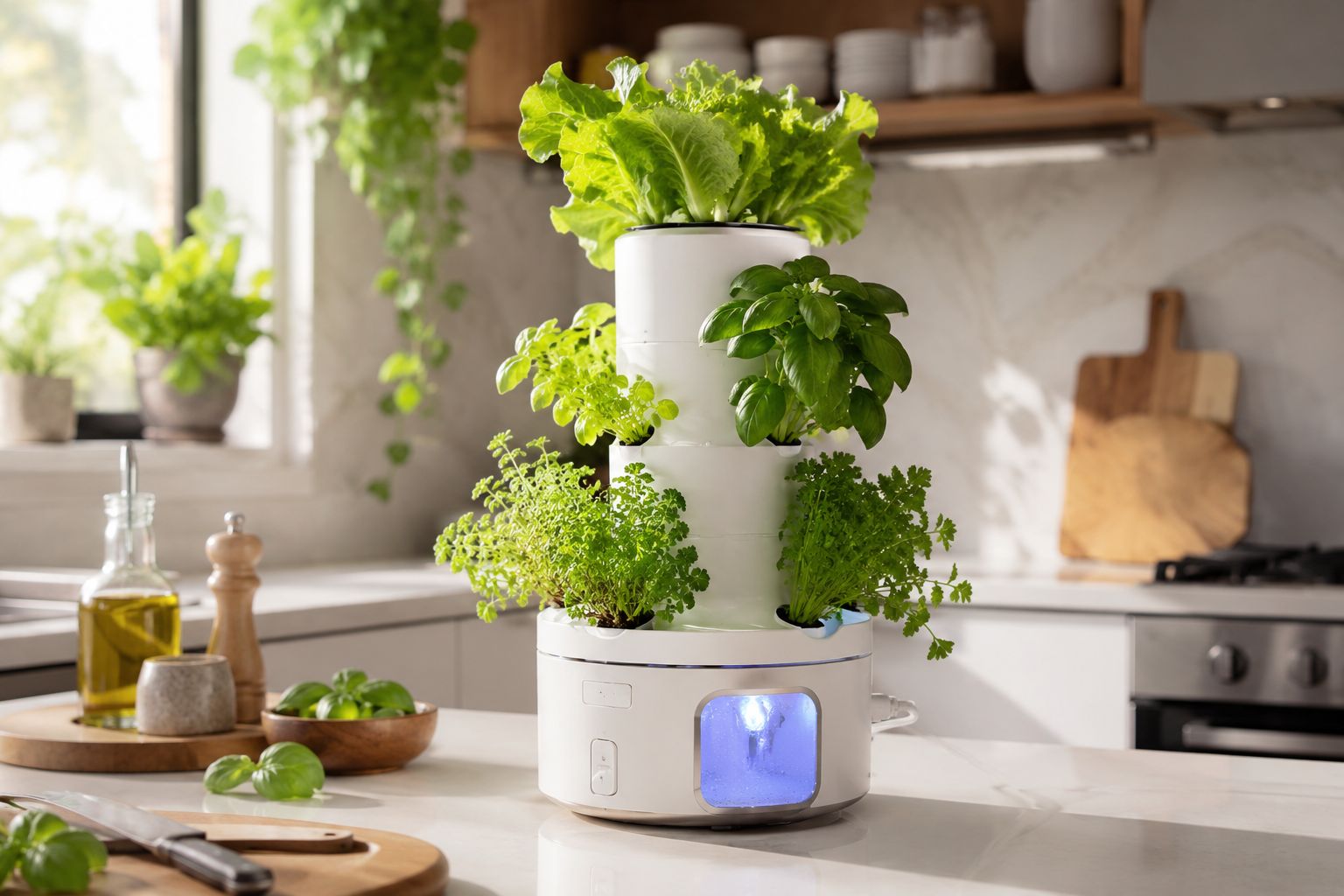
Here's a strange fact to start with: plants don't actually need soil. They need water, nutrients, light, and air — soil is just one way of delivering the first two. Once you accept that, a whole different kind of gardening opens up, one where your "garden" can sit on a kitchen counter, needs no digging, and grows things noticeably faster than a pot of soil ever could.
That's what hydroponics and aeroponics are. Both are ways of growing plants without soil. The difference is just how the roots get fed — and in 2026, both have quietly become one of the most searched ways to start growing at home, especially for people short on outdoor space.
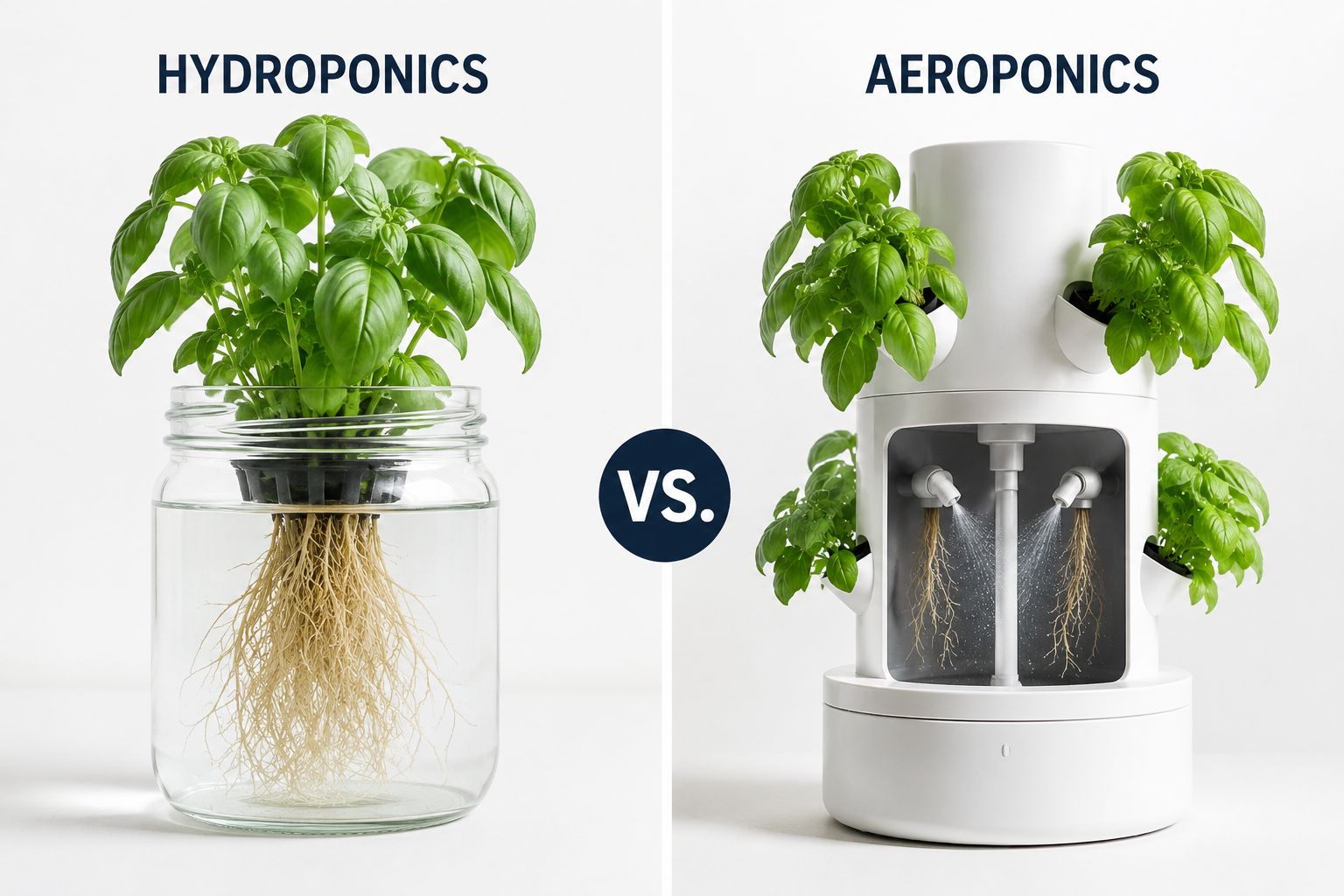
Hydroponics, in one sentence
The roots sit directly in water mixed with liquid nutrients. Think of it as a plant drinking its meal instead of digging for it. This is the older, simpler, more forgiving of the two methods — and it's where almost every beginner should start.
Aeroponics, in one sentence
The roots hang in open air inside a chamber, and every few minutes a fine mist of nutrient-water sprays over them. No standing water at all — just roots, mist, and oxygen. This is what most of those sleek vertical "tower gardens" you've seen online actually are. It grows plants faster than hydroponics because the roots get more oxygen, but it's slightly less forgiving if a pump fails.
Why bother with either
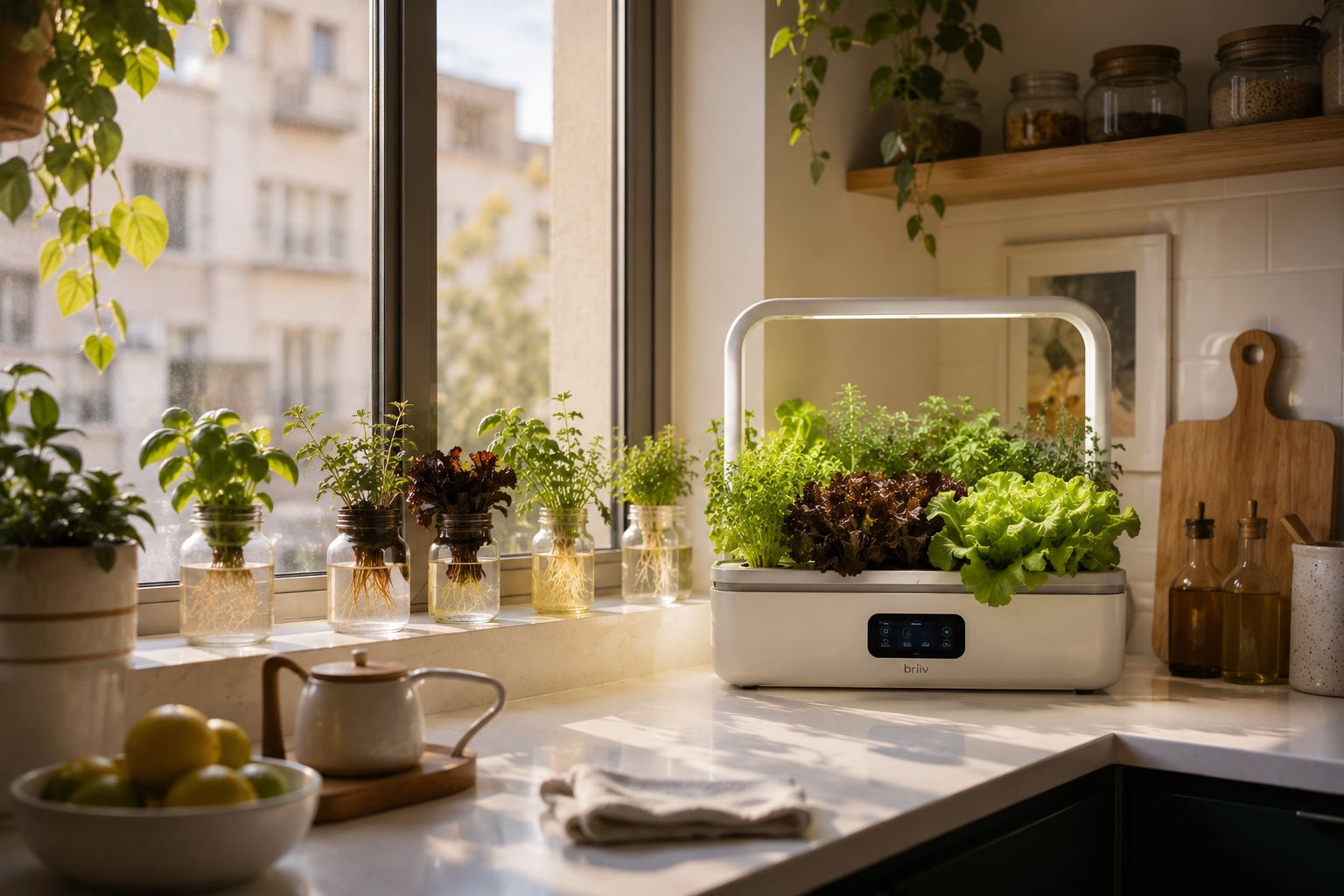
- No soil, no mess. No digging, no bugs hiding in the dirt, no mud on your balcony tiles.
- Faster growth. Roots get exactly what they need with nothing to compete for — most leafy greens and herbs grow noticeably quicker than in soil.
- Works indoors, year-round. No seasons to wait for, no weather to fight.
- Uses far less water than you'd expect. Closed systems recirculate the same water instead of losing it to runoff and evaporation.
- It's genuinely satisfying to watch. Watching visible roots grow in a clear reservoir is oddly addictive.
What actually grows well this way
Leafy greens and herbs are the easy wins — lettuce, spinach, basil, mint, coriander. Strawberries and small peppers do well too, once you've got the hang of it. Save root vegetables like carrots and onions, and anything with a woody stem, for regular soil — they're not built for this.
How to actually start (without buying a full setup)
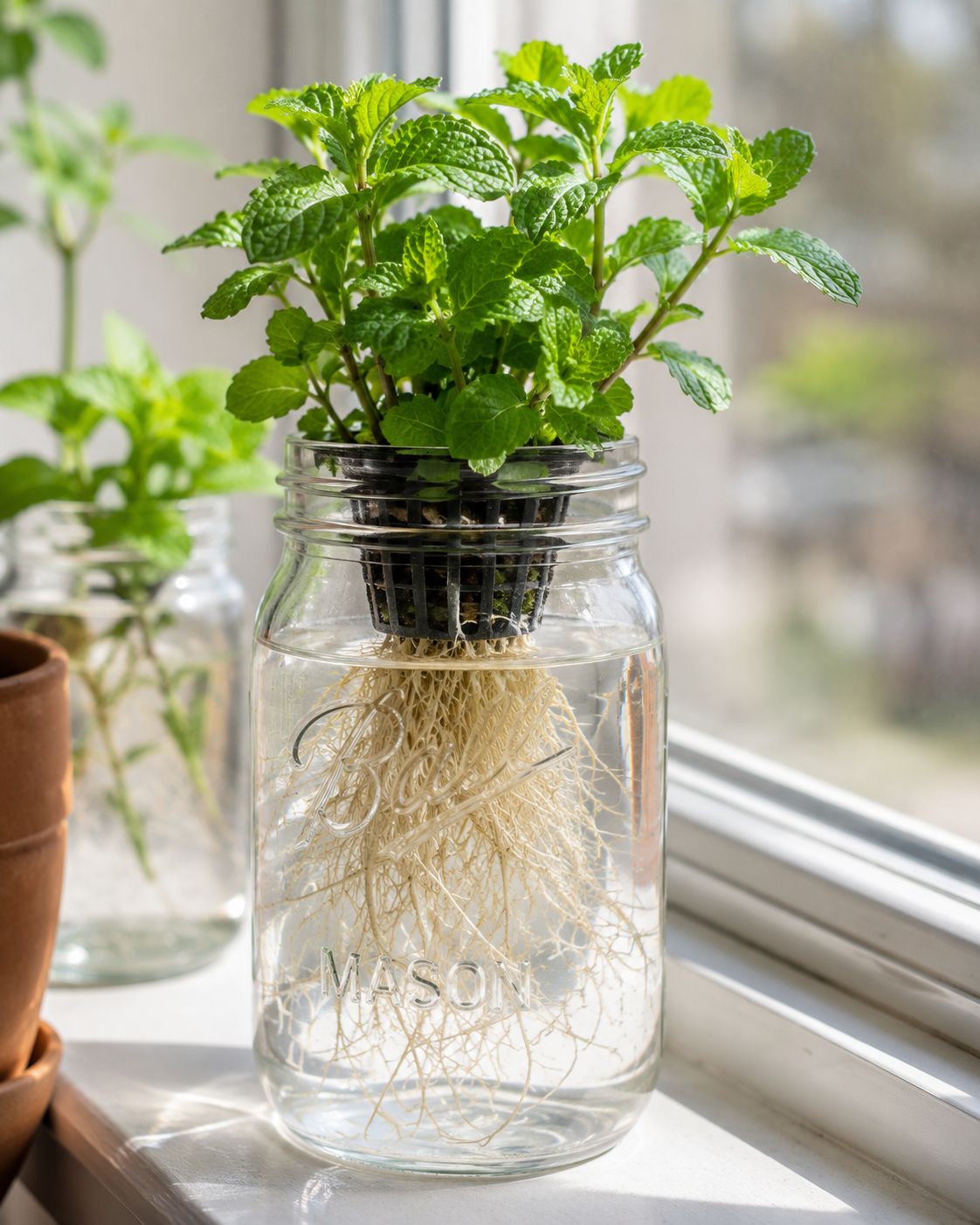
You don't need a tower on day one. The simplest possible hydroponic setup is a mason jar, a net cup, and a cutting of mint or basil suspended so only the roots touch water mixed with a bit of liquid plant food. That's it. Watch it root and grow for a couple of weeks before deciding whether you want to go bigger.
Once you're ready to scale up, a small aeroponic tower is the easiest next step — it does the misting and timing for you, and most beginner towers today are built to just plug in and go, with an app or a simple timer handling the rest.
A few towers worth a look
If you want to skip the DIY jar stage and go straight to a proper setup, here are a few real aeroponic and hydroponic tower systems worth checking out:
- Tower Garden FLEX — the original patented aeroponic tower, comes with a full seedling starter kit, good for a genuine beginner who wants it to just work
- TIRUSS Vertical Aeroponic Tower — a large multi-layer tower if you want serious volume from one unit
- 30-Pod Hydroponic/Aeroponic Growing Kit — smaller, budget-friendly option with a pump and timer included, good for a first tower
(Note for Pakistani readers: these ship from international sellers, so factor in import time and customs. A mason-jar setup or a locally sourced small hydroponic kit is the faster way to try this out first.)
The two mistakes almost everyone makes
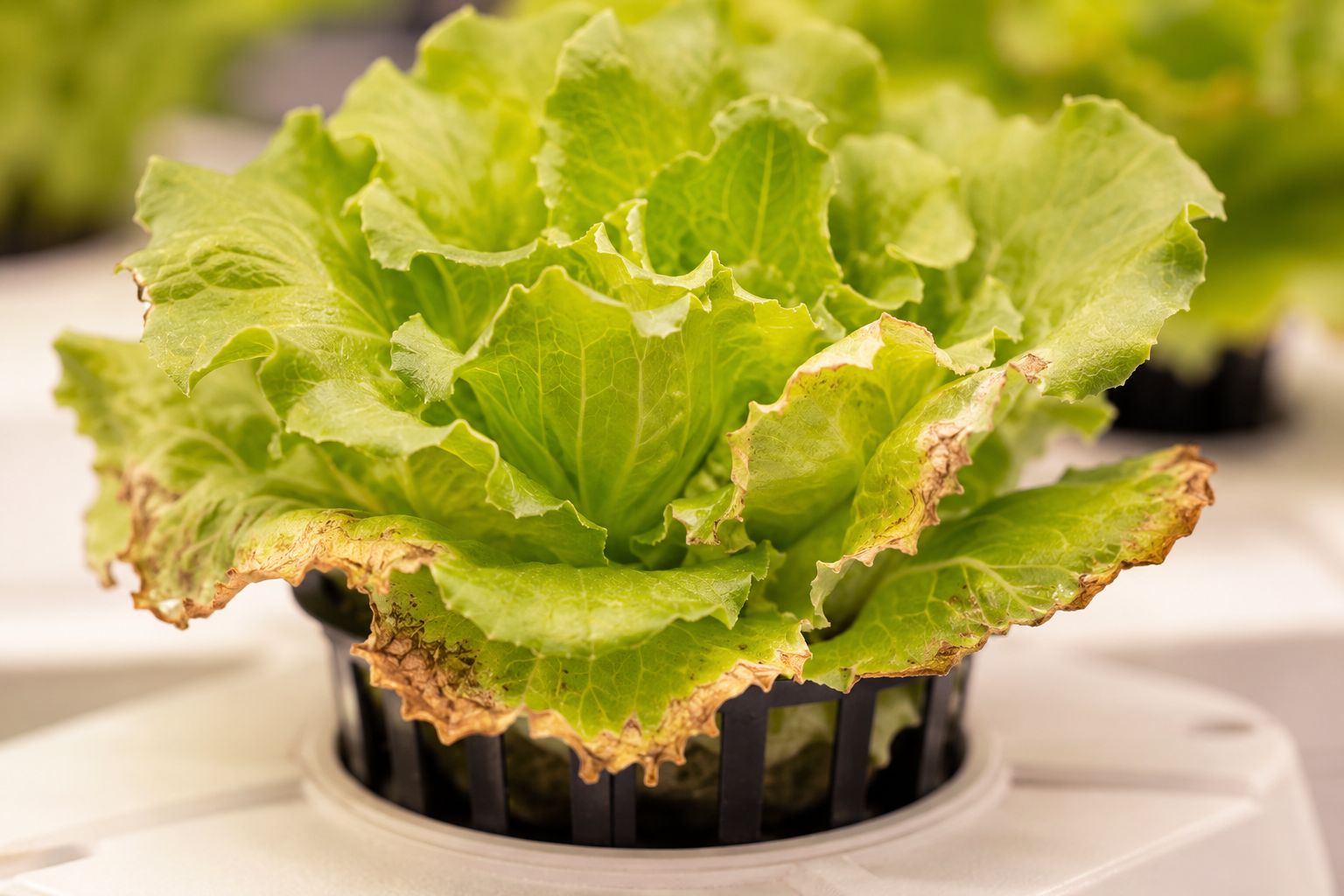
Too much nutrient solution. More is not better — plants get "nutrient burn" (browned, crispy leaf edges) far more often from overfeeding than underfeeding. Start at half the recommended strength on the bottle.
Ignoring the reservoir. Whether it's a jar or a tower tank, stagnant, unchanged water breeds algae and root rot fast. Change or top up the water weekly, and keep the reservoir out of direct light so algae can't take hold.
Hydroponics and aeroponics aren't a replacement for your regular kitchen garden — they're a different tool for a different problem: growing fresh greens fast, indoors, with almost zero maintenance. Start with a jar of mint on your windowsill. If it's still alive and thriving in three weeks, you'll already know whether a proper tower is worth it for your home.
Part of the General Series by Seedora Store — for the ways of growing that don't need a garden at all.