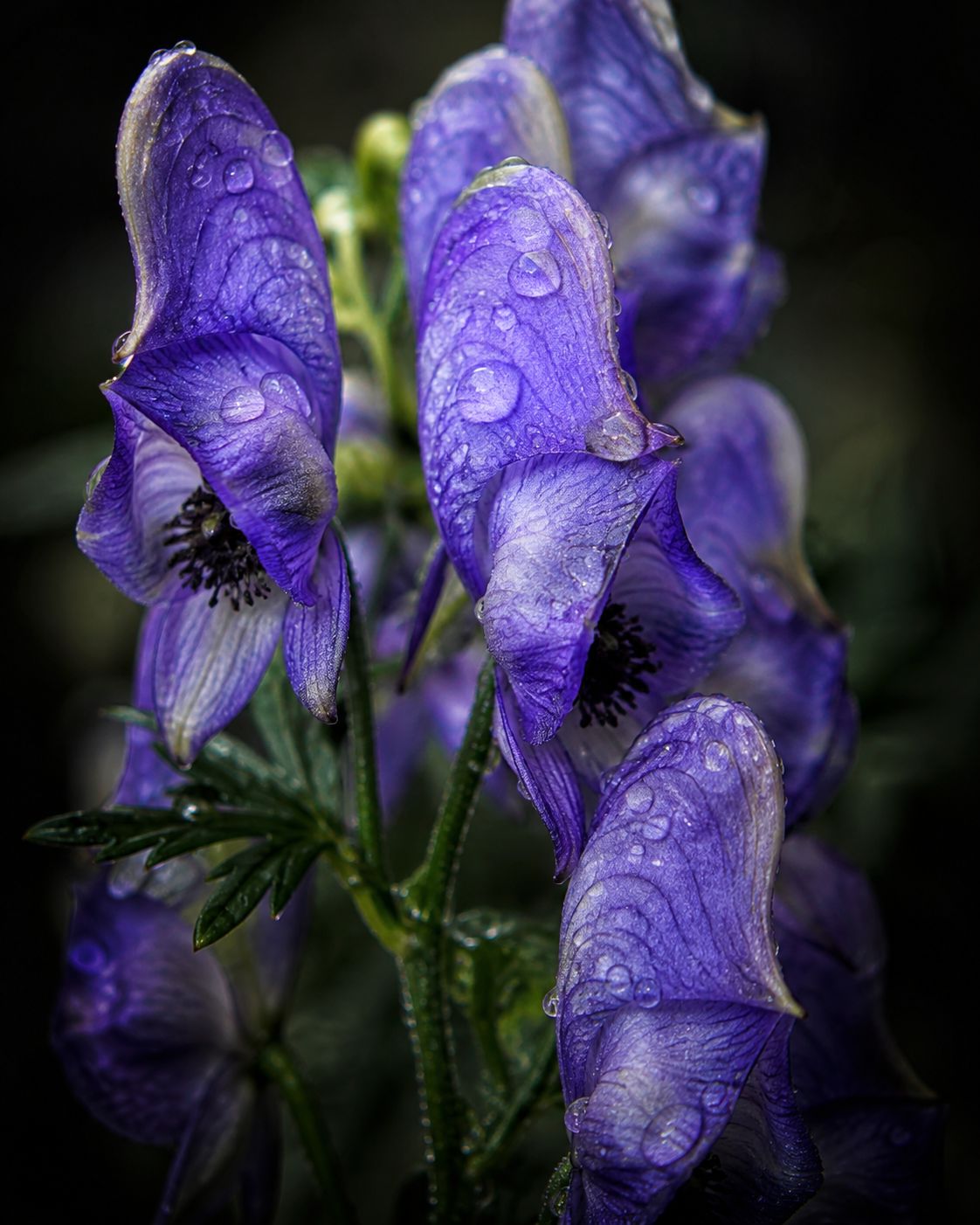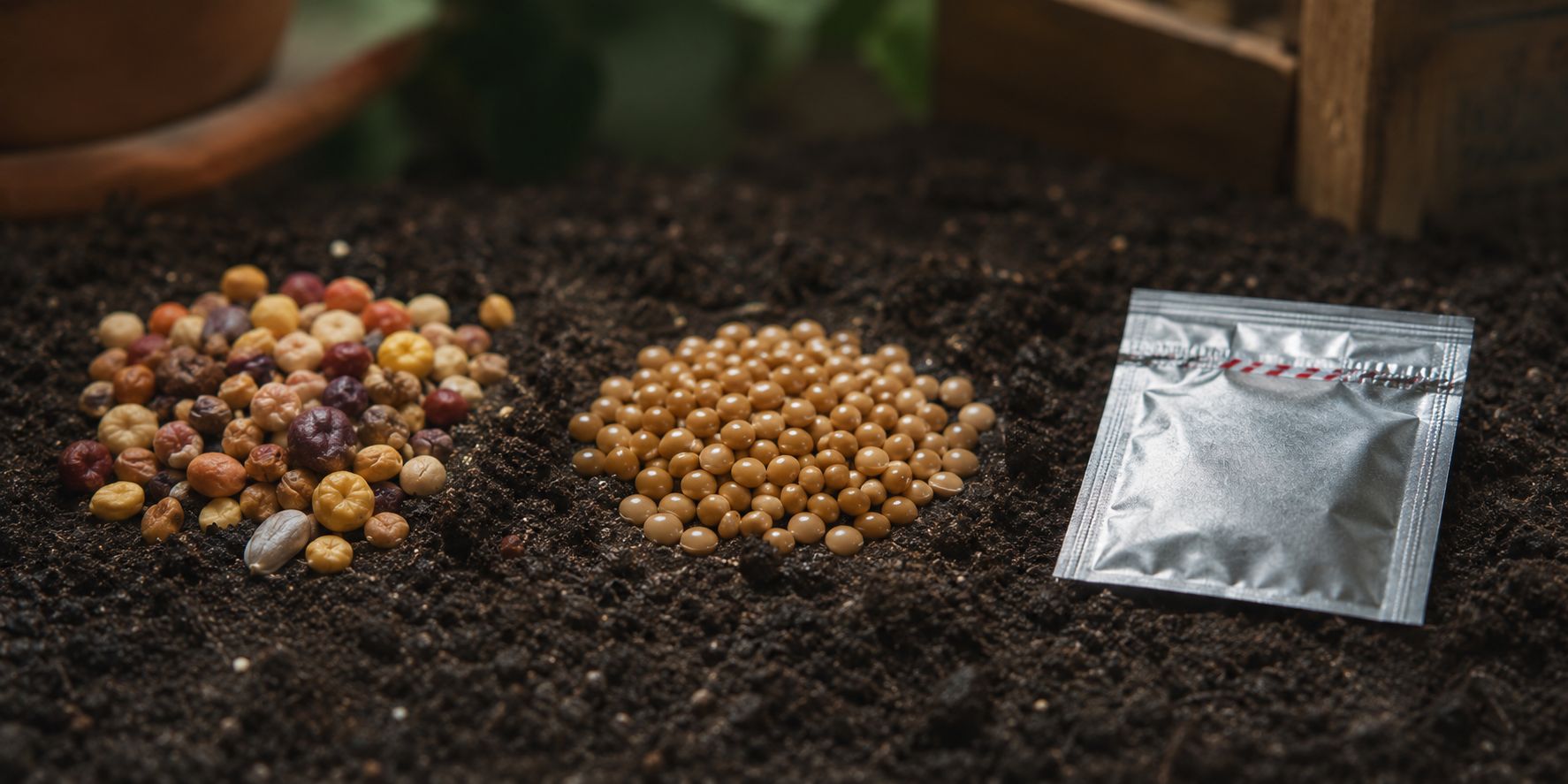
On February 6, 2024, something happened that seed catalogs had insisted for thirty years could never happen. A genetically modified seed went on sale to the American home gardener.
It was a tomato. Fluorescent purple, bred with genes from the snapdragon flower to produce high levels of anthocyanin — the same pigment that makes blueberries dark. Every seed company that had ever printed "GMO-free" on a packet had been telling the truth, right up until that morning. For three decades, genetically modified seed had been licensed exclusively to commercial farmers under strict federal contracts. A home gardener could not buy it even if they wanted to. Then the rule quietly changed, and almost nobody outside the industry noticed.
That single event is a useful place to start, because it exposes how much confusion sits underneath three words gardeners throw around constantly — heirloom, hybrid, and GMO. Most people use them as if they describe a spectrum, from "natural" to "unnatural." They don't. They describe three completely different processes, only one of which has ever involved a laboratory.
Heirloom: What Breeds True
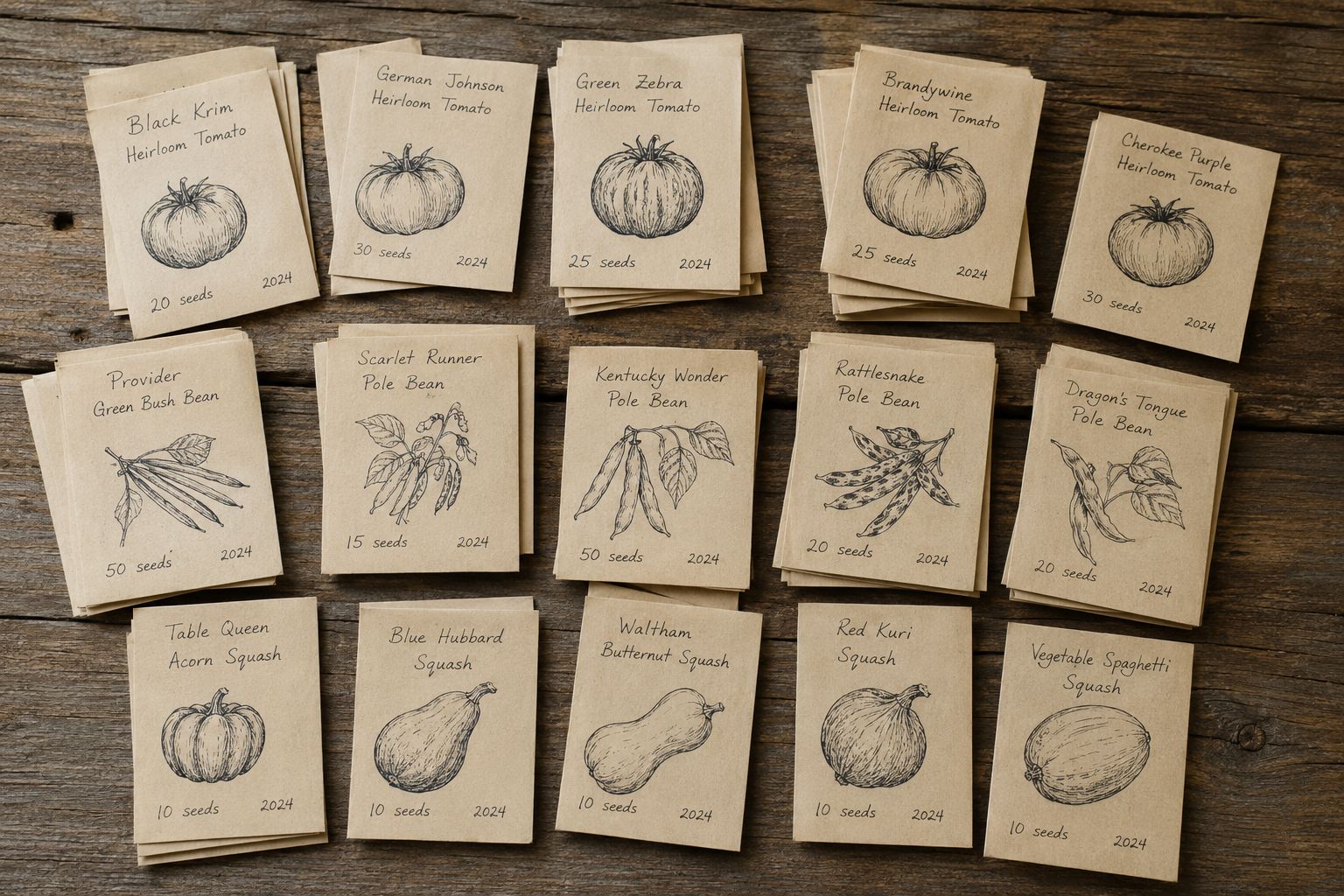
An heirloom seed is, at its core, just an old open-pollinated variety with a family history attached to it.
Open pollination is the natural process: wind, bees, birds, or the plant's own flower moving pollen around without any human hand directing which parent breeds with which. When an open-pollinated plant is pollinated by another plant of the same variety, the resulting seed grows into something that closely resembles its parent. Growers call this breeding true to type. Save the seed, plant it next year, and you get roughly the same tomato again.
Heirloom is a narrower category inside that broader group. Every heirloom is open-pollinated, but not every open-pollinated variety qualifies as an heirloom — most definitions require that the variety has been grown and saved for at least fifty years, often passed down through a specific family, region, or community rather than developed by a commercial breeding program. The University of California's cooperative extension service notes that open pollination keeps the gene pool genetically diverse, which over generations allows a variety to slowly adapt to the specific soil, climate, and pests of the place it's grown in year after year. That's part of why an heirloom tomato saved on the same farm for eighty years often outperforms a store-bought variety planted in that exact soil, even though it may look far less uniform on a supermarket shelf.
Hybrid: Engineered, But Not in a Lab
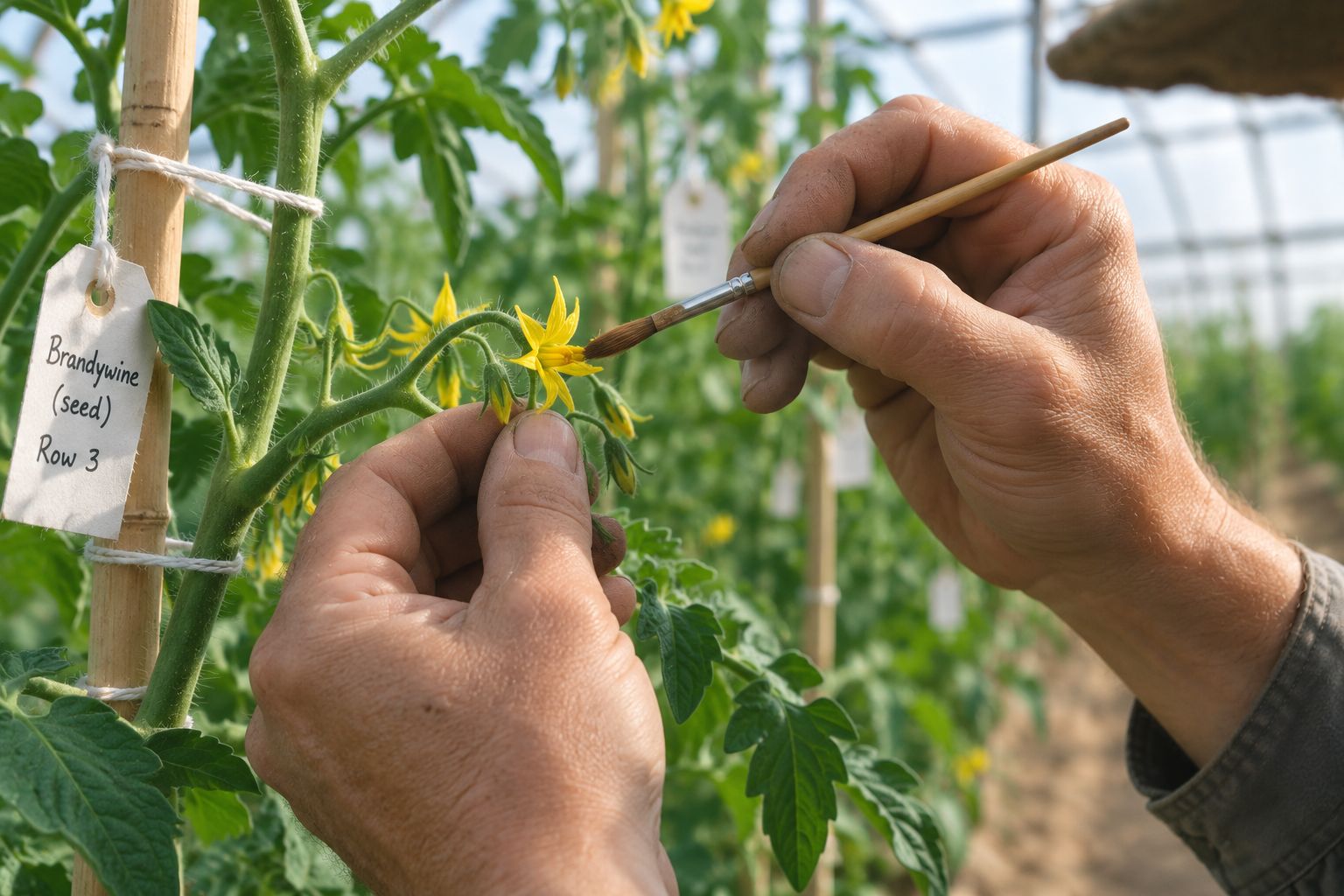
This is where most of the confusion starts, because "hybrid" sounds like it should belong in the same conversation as "GMO." It doesn't.
A hybrid seed — usually labeled F1, meaning "first filial generation" — is produced by deliberately cross-pollinating two different, genetically stable parent varieties chosen for specific traits. A breeder wants a tomato with the disease resistance of one parent and the size of another, so they physically transfer pollen from one plant to the flowers of the other, by hand or in a controlled field. The resulting F1 seed often shows hybrid vigor: it can be more productive, more uniform, and more resistant to disease than either parent. Extension researchers at UC ANR describe this as controlled cross-pollination between two specific varieties chosen for their superior traits, producing offspring with disease resistance, uniformity, and vigor as the deliberate goal.
The catch is that this vigor exists for one generation only. Save seed from a hybrid tomato and plant it next year, and the offspring — called the F2 generation — will not resemble the parent. Traits split apart unpredictably, some plants reverting toward one grandparent, some toward the other. This is why hybrid seed has to be purchased fresh from the breeder every season, while heirloom seed can be saved indefinitely.
None of this involves altering DNA in a laboratory. It is pollen, moved by hand, between two plants that could theoretically cross in nature anyway. Nature's Path's seed guide states this plainly: there is a common misconception that hybrids are genetically modified, but they are not — GMOs are modified in a lab setting, while hybrids are produced entirely through pollination.
GMO: The Only One That Touches a Genome Directly

A genetically modified seed is created differently in kind, not just in degree. Instead of transferring pollen between two related plants, genetic engineers insert, delete, or edit specific genes directly inside a plant's genome in a laboratory — often using genetic material from an entirely unrelated species. The gene that makes the Purple Tomato's flesh dark, for instance, came from a snapdragon, a plant no tomato could ever cross-pollinate with in nature. The most common traits engineered into commercial GMO crops are herbicide tolerance and insect resistance, frequently using a gene from the soil bacterium Bacillus thuringiensis, or Bt, which produces a protein toxic to specific insect pests.
The regulatory story matters here as much as the biology. GMO seed has been tightly restricted since its commercial introduction in 1996. Genetic Literacy Project's review of the sector notes that more than ten GMO crops are currently in commercial production in the United States, with GMO seed accounting for over 90 percent of the country's corn, soybean, cotton, canola, and sugar beet acreage — almost all of it destined for animal feed, ethanol, or processed ingredients rather than sold whole to consumers. USDA's Economic Research Service puts current adoption even higher for 2025: roughly 92 percent of domestic corn acres, 96 percent of soybean acres, and 93 percent of cotton acres are now planted with genetically engineered, herbicide-tolerant seed.
Until 2024, none of that seed was ever available to a home gardener. Buying it required a signed technology stewardship agreement — a legal contract restricting the seed to a single commercial planting, prohibiting resale, and permitting the seed company to inspect a farmer's fields. The Purple Tomato broke that pattern for the first time, but it remains, so far, a single exception rather than a shift in the underlying rule. Nearly every seed sold in a garden catalog today, hybrid or heirloom, is still non-GMO by default, not because a company chose to make it that way, but because the technology was never offered to home growers in the first place.
Why the Confusion Persists
Part of the reason these three terms get blurred together is that all of them can appear on the same seed rack, in the same seasonal catalog, described in similarly reassuring marketing language. A packet that says "non-GMO" next to a hybrid variety is telling the truth, but it's answering a question the buyer usually isn't asking. The buyer typically wants to know: will this seed grow the same thing again next year? That question has nothing to do with GMO status and everything to do with whether the variety is open-pollinated.
So the practical distinction gardeners actually care about usually comes down to this: heirloom and other open-pollinated varieties can be saved and replanted indefinitely; hybrids cannot be reliably saved past one generation, though they are not engineered; and GMO seed, still almost entirely restricted to commercial agriculture, sits in a separate regulatory category defined by direct laboratory manipulation of the genome and, in most cases, a legal contract preventing seed saving altogether.
Sourcing Real Seed
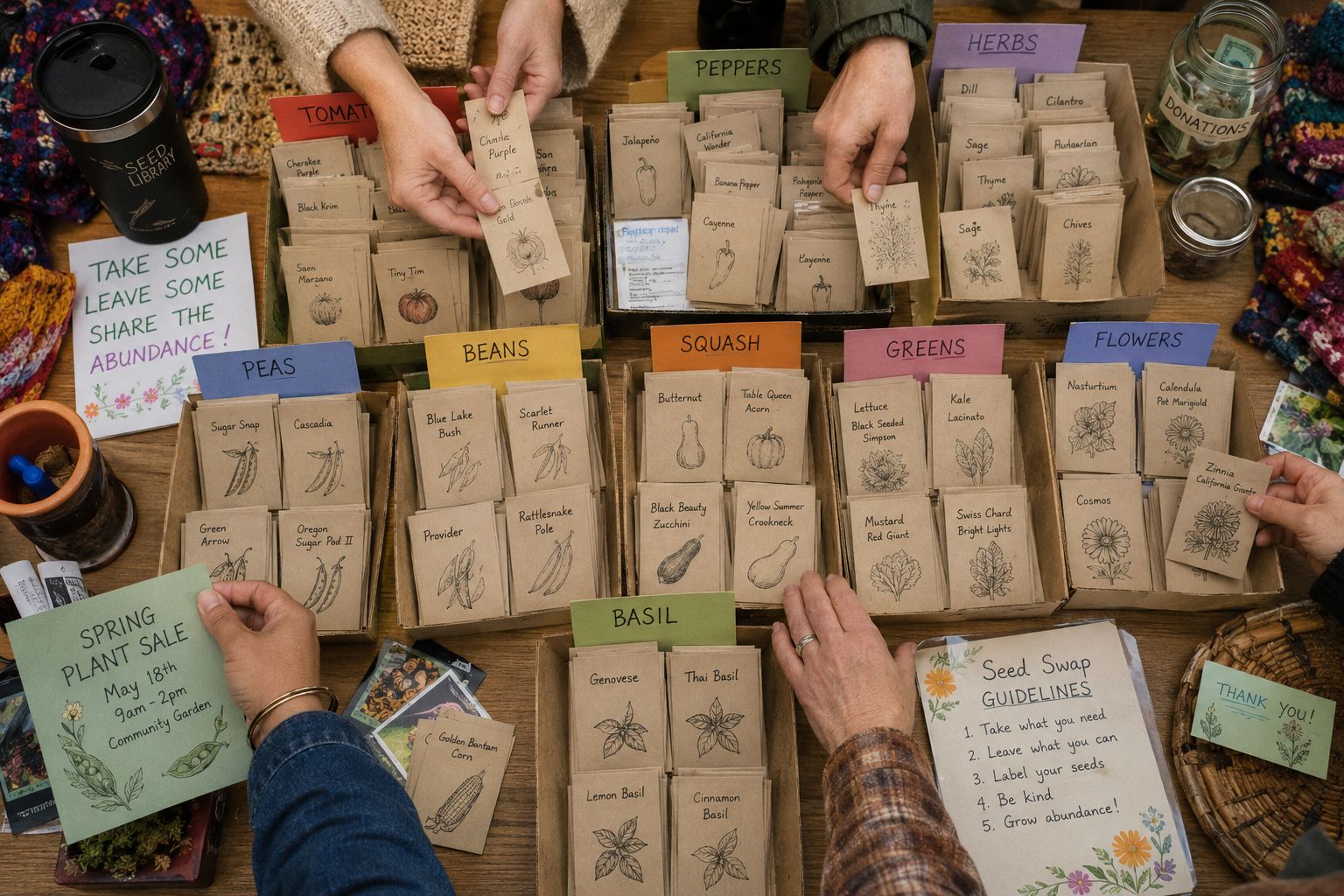
If the goal is building a garden — or a seed collection — around varieties you can keep growing without buying new stock every year, the sourcing question comes down to open pollination, not brand names.
A few practical starting points:
- Look for "open-pollinated" or "OP" on the packet, not just "heirloom." Newer OP varieties bred for flavor rather than shelf life exist outside the heirloom category and can be just as saveable.
- Seed libraries and local swaps are often the most reliable source of varieties already adapted to your specific climate, since they've been saved locally for multiple seasons.
- The Safe Seed Pledge, created by the Council for Responsible Genetics in 1991, is a public commitment some seed companies make not to knowingly sell genetically engineered seed — worth checking for, though as of 2024 it's a largely symbolic reassurance given how restricted GMO seed already was.
- Isolation distance matters if you're saving your own seed. Two varieties of the same crop planted too close together can cross-pollinate on their own, accidentally producing an unintentional hybrid the following year.
Why This Distinction Actually Matters
The seed patent story is really about who controls reproduction — a small number of corporations holding legal ownership over genetics that determine whether a seed can be saved at all. Understood that way, open-pollinated and heirloom seed represent something specific: varieties whose reproduction nobody can legally lock behind a contract. A hybrid isn't a threat to that independence, since it was never engineered or patented as intellectual property in the same way — but it does require buying in every year, which is a different kind of dependency worth knowing about before you plant a garden around it. GMO seed, for now, remains largely outside the reach of the home gardener altogether — not because any company is being generous, but because the regulatory door has barely opened.
Knowing which category a seed actually falls into is the difference between building a garden you can sustain from your own saved seed indefinitely, and building one you'll need to restock from a catalog every single spring.
By Seedora Store — Trend Decode Series.
Sources: UC ANR "Hybrid and Heirloom Seeds"; Nature's Path, seed variety guide; Gardening Channel, open-pollinated vs. hybrid vs. heirloom explainer; Hudson Valley Seed Co.; Katie Spring, seed primer; Bountiful Gardener; Genetic Literacy Project, approved GE crops in the US; USDA Economic Research Service, Adoption of Genetically Engineered Crops in the United States (2025); Healthline, GMO pros and cons; Fine Gardening, GMO seeds for vegetable gardeners; Homesteading Family, GMO seeds and the home gardener; The Coeur d'Alene Co-op, heirlooms and GMOs; Rural Sprout, non-GMO seed guide.