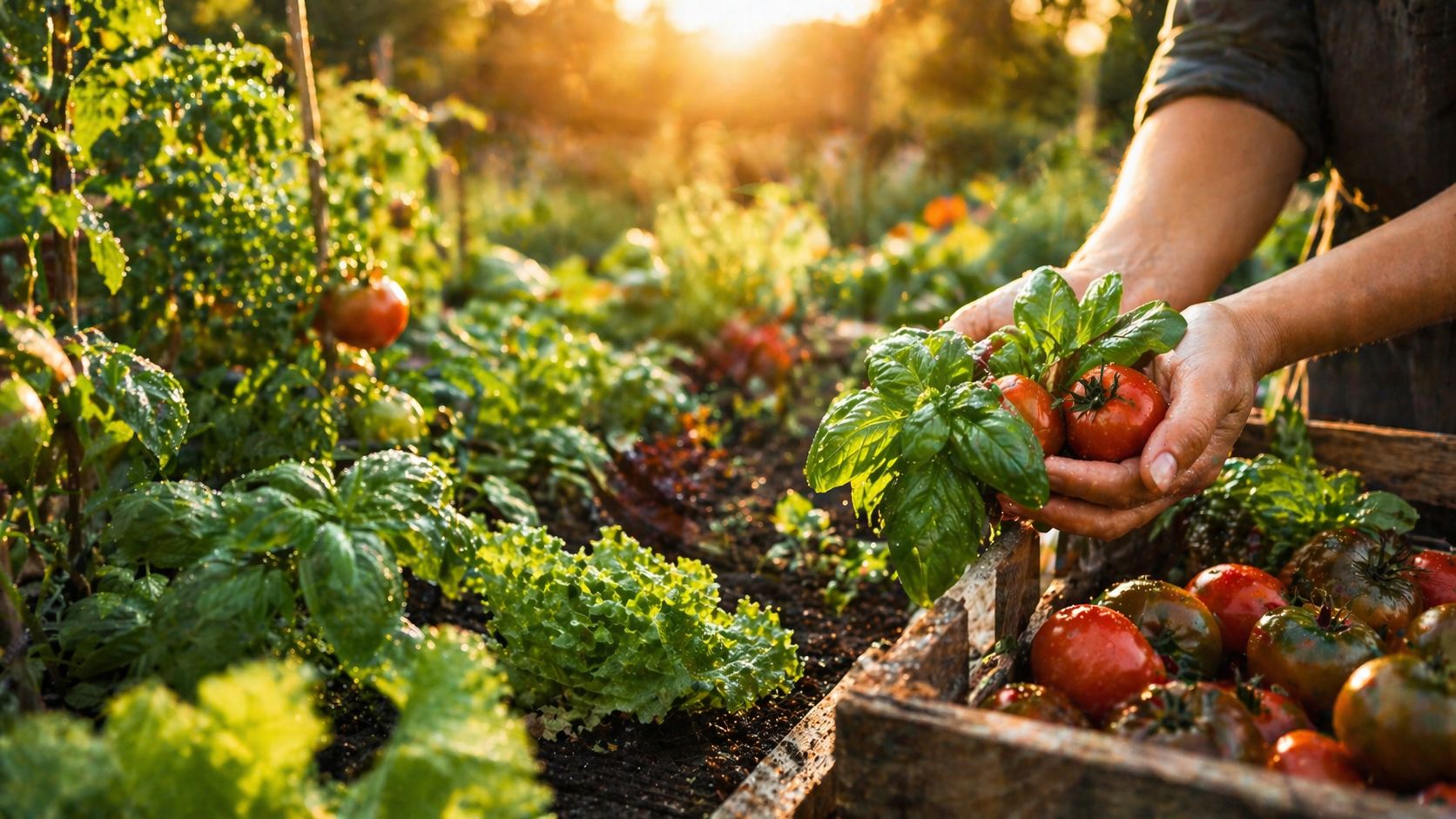
"The garden suggests there might be a place where we can meet nature halfway." — Michael Pollan
There's a quiet revolution happening in backyards, balconies, and window sills across the world. People are picking up seeds — not as a hobby, not as a trend — but as a deliberate financial and lifestyle decision.
The question isn't can you grow your own food. The question is: what do you grow that actually gives back more than you put in?
This isn't about romanticizing dirt under your fingernails. This is about cold, honest math — and the surprising joy that comes when that math works in your favor.
The Economics of Growing Your Own
Before we talk about what to grow, let's talk about why the numbers matter.
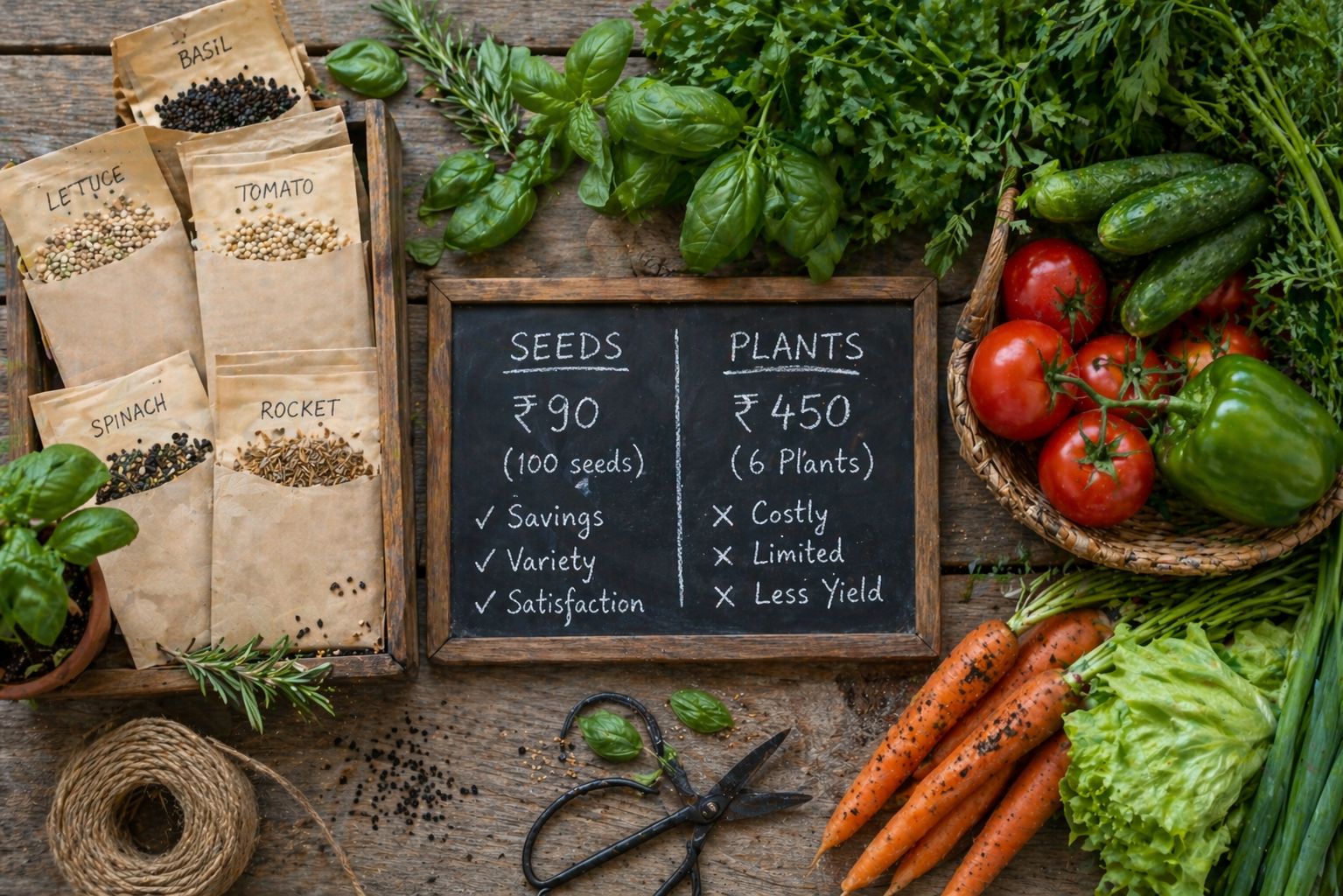
The average household spends $400–$600 per year on fresh herbs alone — buying plastic clamshells of basil that wilt in three days, paying premium prices for mint sprigs used once. A single basil plant from Seedora costs a fraction of that and, if cared for, produces abundantly for an entire season.
That gap between what you spend at a store and what it costs to grow it yourself? That's the self-paying garden.
1. Herbs — The Undisputed Champions
If there is one category that pays for itself fastest, it is herbs. No contest.
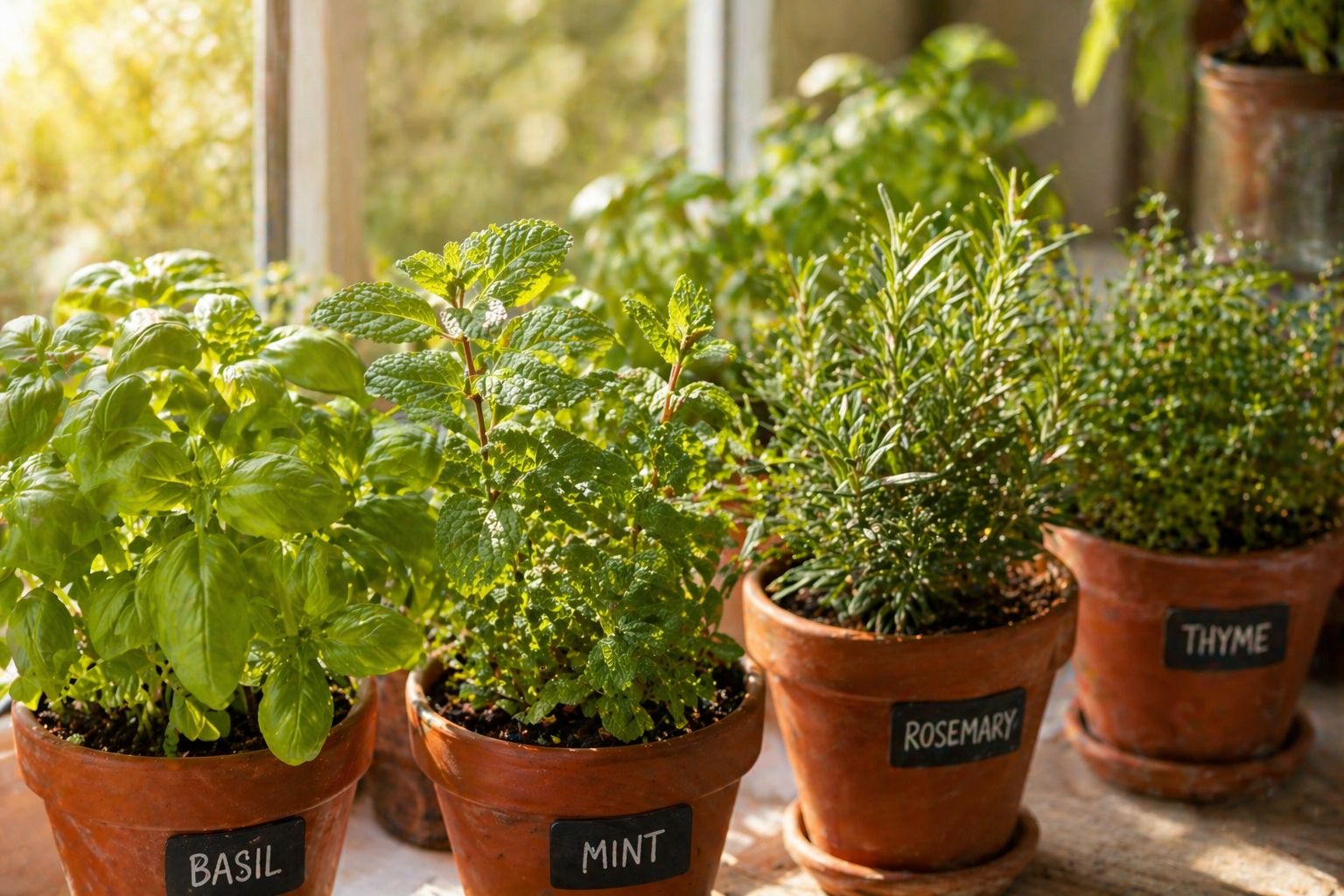
Basil
A basil seedling or seed packet from Seedora yields dozens of harvests through the warm season. Compare that to buying a $3–$5 bunch weekly that yellows by Thursday. Grow it in a pot on your kitchen windowsill and snip what you need, when you need it.
ROI timeline: 3–4 weeks to first harvest.
Mint
Mint is almost embarrassingly generous. Plant it once and it will try to take over your garden — which, from a financial standpoint, is a feature, not a bug. One plant becomes five. Five becomes a hedge.
Best for: teas, mojitos, chutneys, home remedies.
Rosemary & Thyme
These perennial powerhouses come back year after year. Buy once from Seedora, harvest for seasons. At $4–$6 per small grocery store packet, growing your own rosemary pays back within the first month of cooking.
2. Salad Greens — The Cut-and-Come-Again Magic
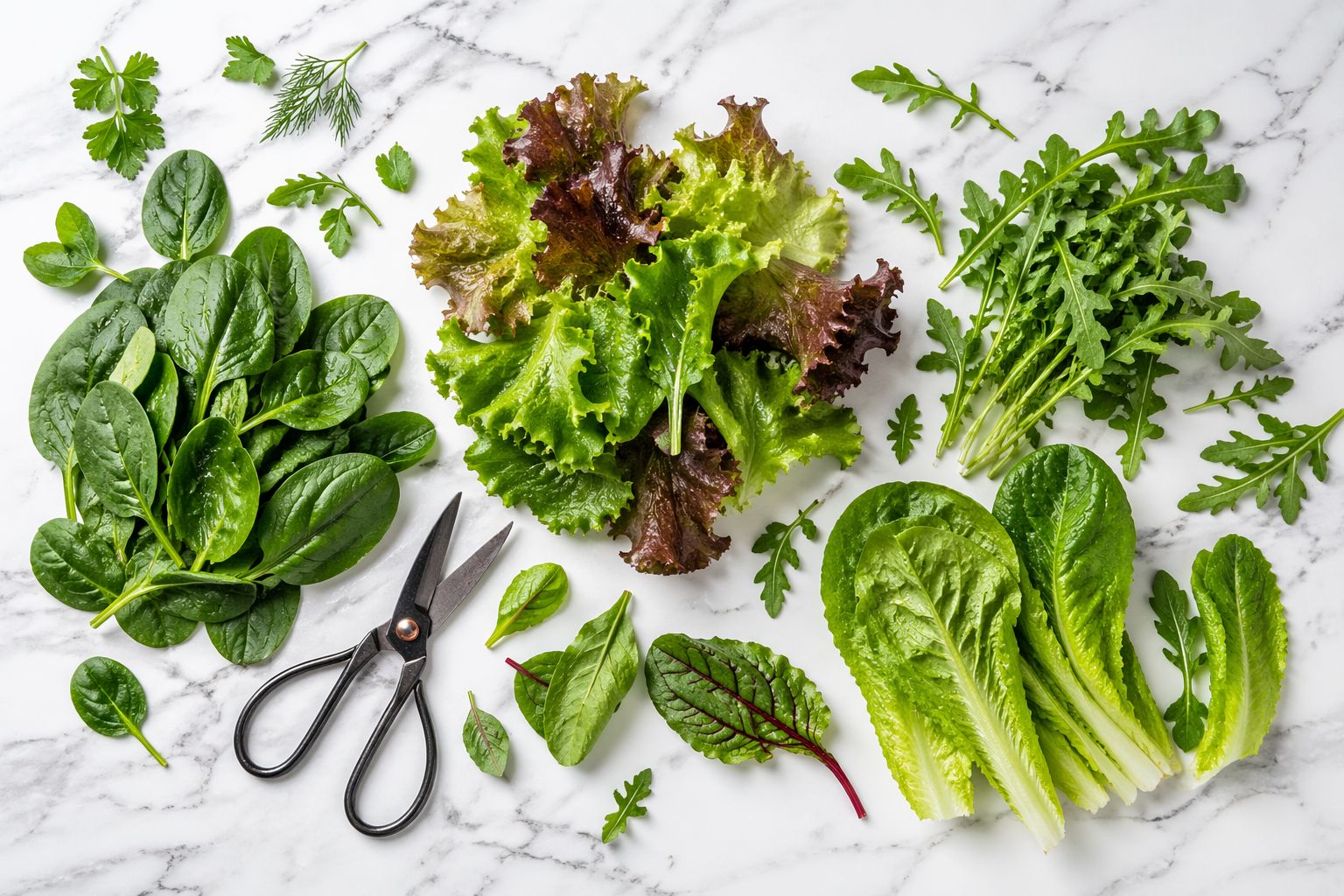
Lettuce, spinach, arugula, and kale follow a beautiful principle: cut them and they grow back.
This is the core of what gardeners call "cut-and-come-again" harvesting. Instead of uprooting the plant, you snip outer leaves. The plant responds by pushing new growth. One packet of mixed salad seeds from Seedora can yield weeks of salads from a single planting.
A bag of pre-washed mixed greens at the supermarket costs $4–$7 and is gone in two days. A tray of growing lettuce? That's a living salad bowl that keeps producing.
Pro tip from Seedora: Succession-sow every two weeks — plant a new row while the first is growing — for a continuous harvest throughout the season.
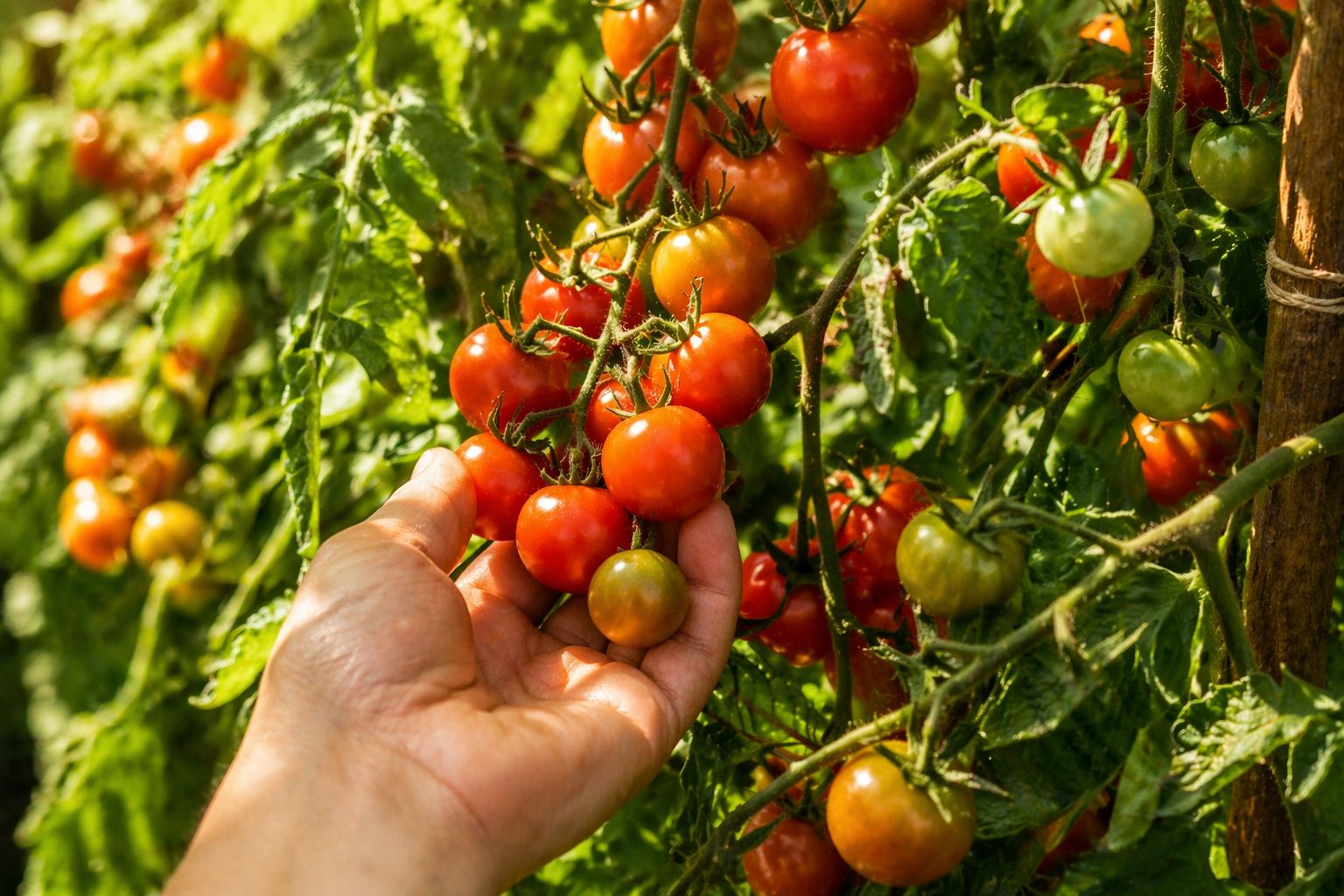
3. Tomatoes — High Effort, High Reward
Let's be honest: tomatoes ask more of you. They want support, consistent watering, warmth, and a little love. But when a single indeterminate tomato plant produces 15–20 pounds of fruit across a season — and cherry tomatoes at the store cost $4–$5 per pint — the math becomes extraordinary.
One Seedora tomato seed packet, carefully grown, can yield the equivalent of $60–$120 worth of store-bought tomatoes.
The taste difference alone is reason enough. A sun-warmed tomato picked at peak ripeness shares almost nothing in common with the pale, mealy imitation sold in supermarkets.
Best varieties for ROI:
- Cherry tomatoes (prolific producers)
- Roma (perfect for sauces — freeze in bulk)
- Beefsteak (one fruit replaces a whole grocery purchase)
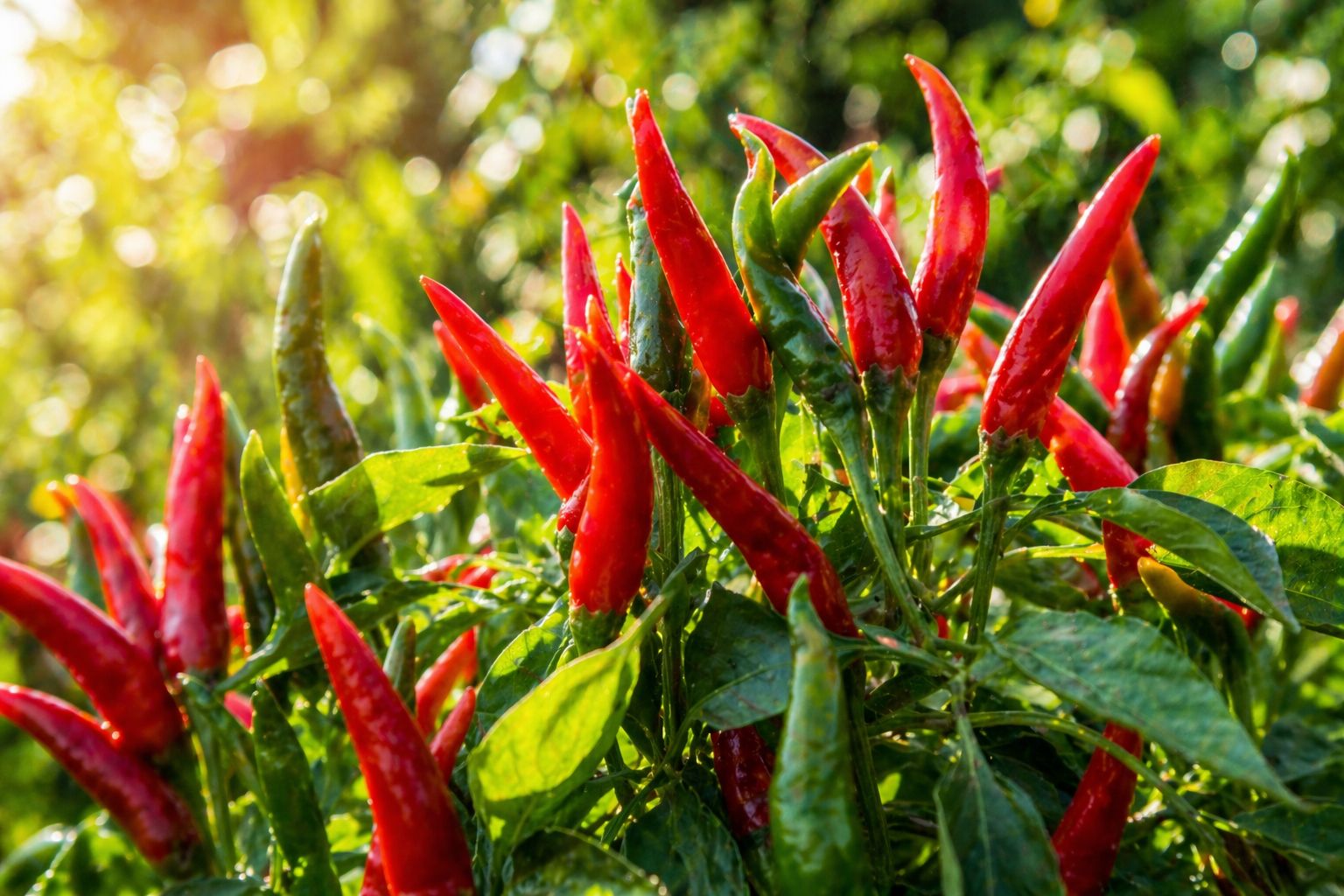
4. Chilies & Peppers — Small Plant, Big Savings
Chilies are one of the most efficient plants you can grow. They are compact, highly productive, and the store price for specialty chilies — bird's eye, serrano, poblano — can be surprisingly high for small quantities.
Grow a single chili plant and you will have more than you can use fresh. Dry them, powder them, pickle them, freeze them. A well-tended chili plant from Seedora produces hundreds of fruits in a season.
For those who cook South Asian, Mexican, or Thai food regularly, a chili plant is not a luxury — it is a financial necessity.
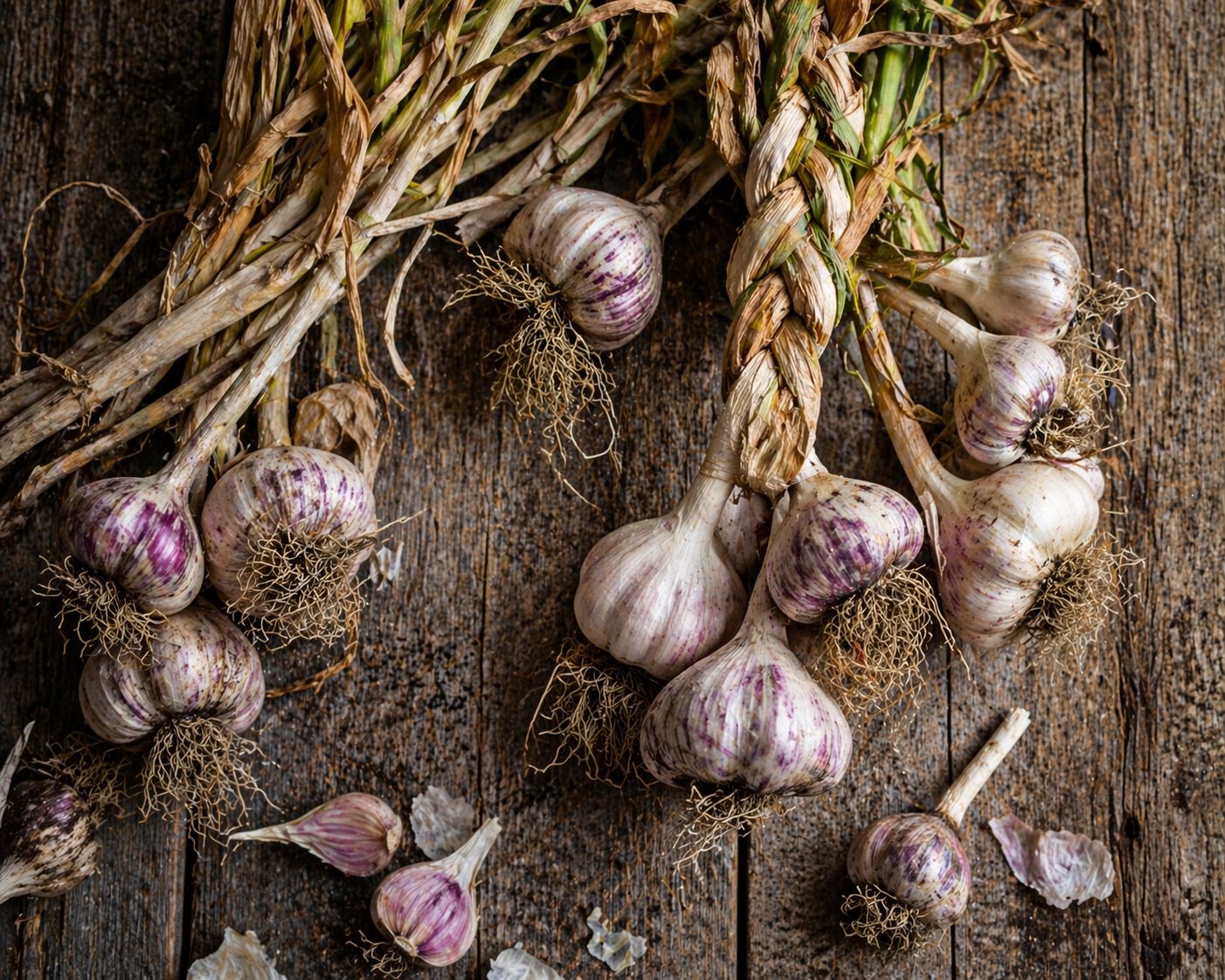
5. Garlic — Plant Once, Harvest Forever (Almost)
Garlic is the long game — and one of the most rewarding ones.
Plant individual cloves in autumn. By early summer, each clove has become a full head of garlic. One head planted = eight to twelve heads harvested. Save the largest heads to replant next season, and your initial seed investment from Seedora essentially self-perpetuates.
At $1–$2 per head of quality garlic at the market, a modest planting of 30 cloves can return $30–$50 worth of garlic — from a tiny investment.
6. Zucchini & Squash — The Overachievers
There is a well-worn joke among gardeners: you don't need to buy zucchini — you need to find people willing to accept it.
Zucchini is extraordinarily productive. Two or three plants will produce more than most families can eat. At $2–$4 per zucchini at the market, a generous plant returning 30–40 fruits in a season represents significant savings — and surplus to share or preserve.
Squash seeds from Seedora are among the most cost-effective seeds per pound of food produced that you can buy.
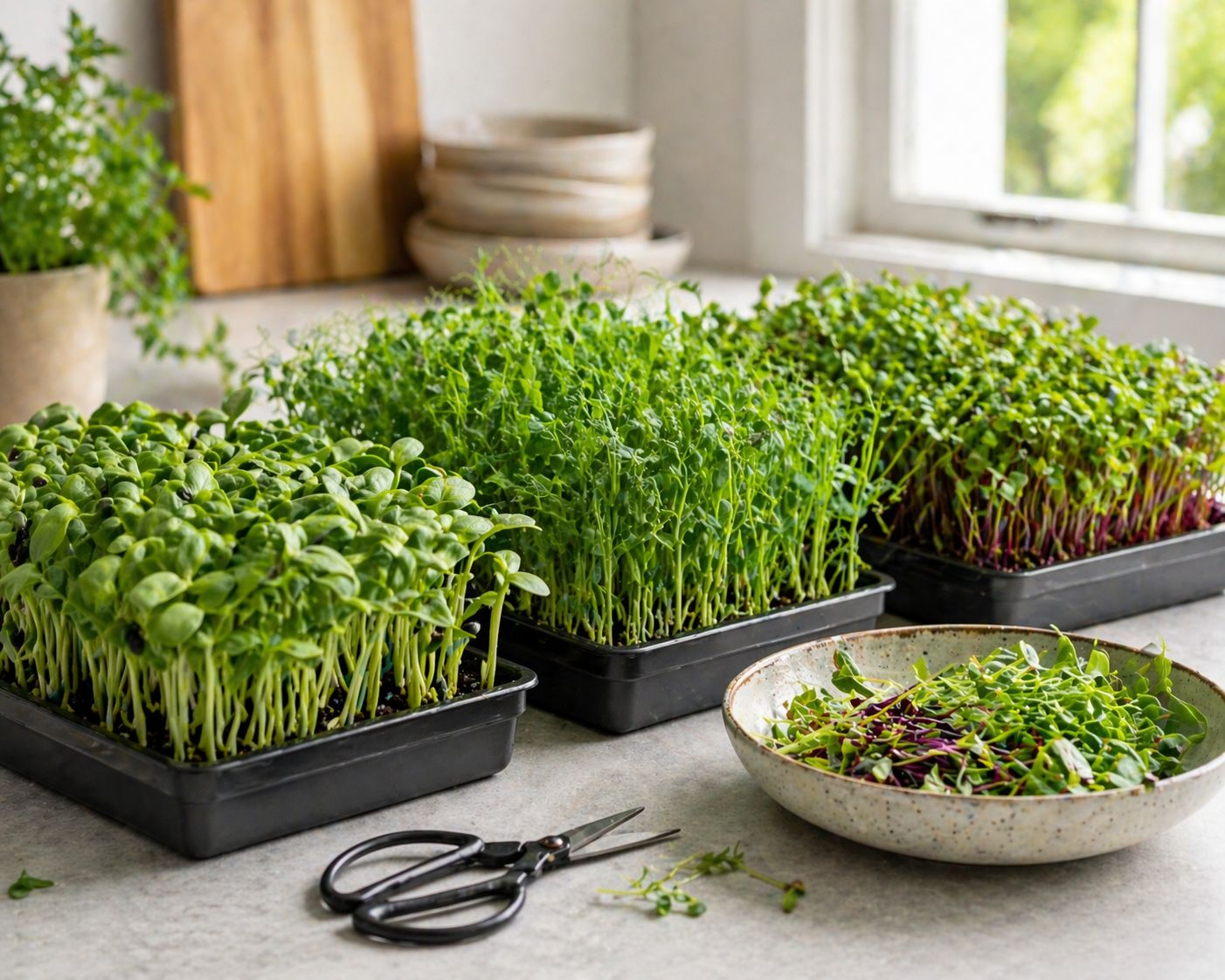
7. Microgreens — The Indoor Revolution
For urban growers with no garden space, microgreens are perhaps the single highest-value thing you can grow.
Microgreens — sunflower shoots, pea shoots, radish, broccoli — sell for $25–$40 per pound in specialty stores and restaurants. They grow in trays on a countertop, need no soil depth, and are ready to harvest in 7–14 days.
Many Seedora customers have turned a small microgreens operation into a side income, selling to local restaurants, farmers' markets, and neighbors.
Space required: One square foot of countertop.
Time to harvest: Under two weeks.
Value per tray: $8–$20 at retail pricing.
Building Your Self-Paying Garden: A Starter Strategy
You don't need a farm. You don't need acres. Here is a practical framework to start:
Phase 1 — The No-Brainer Starter Kit
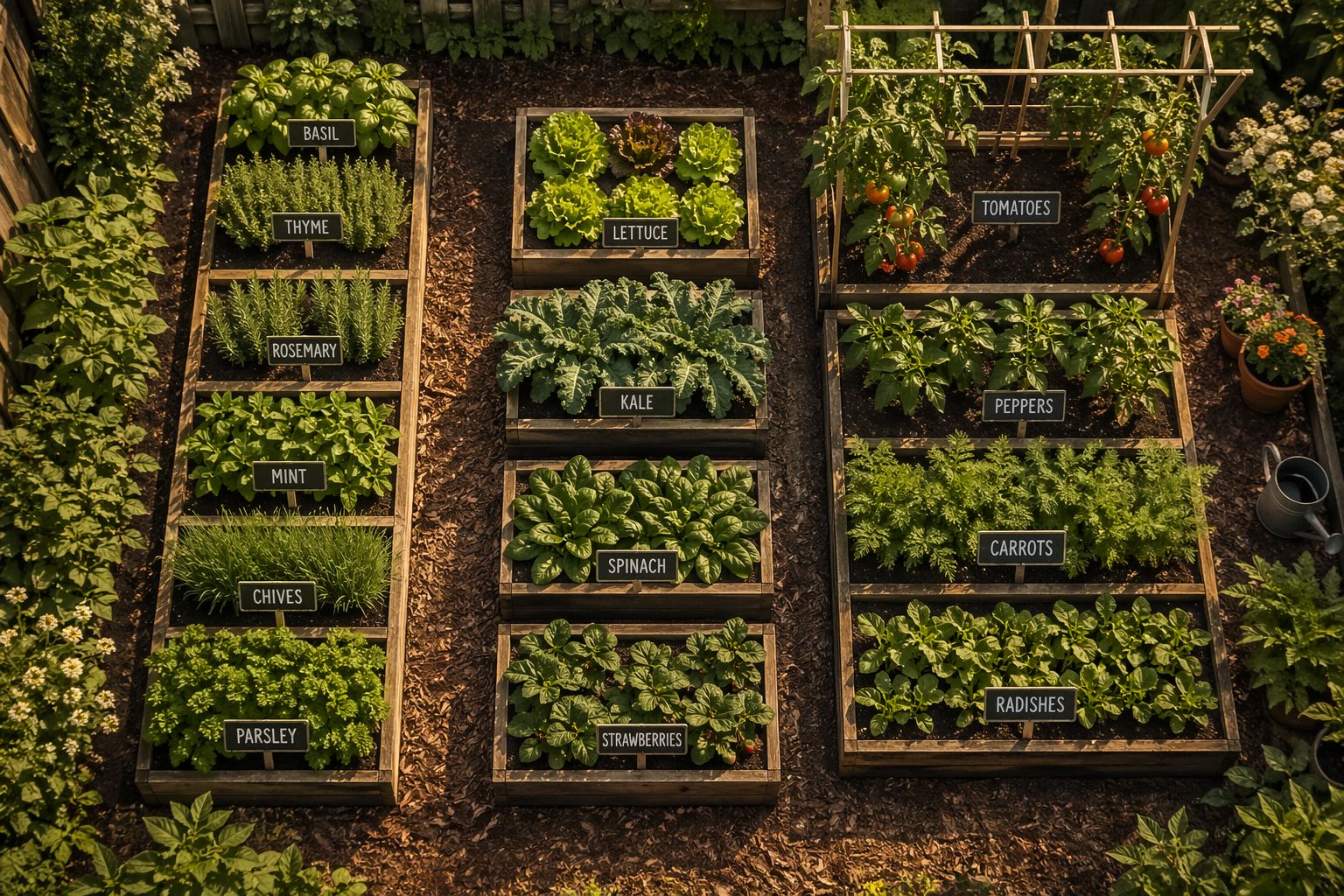
Begin with herbs (basil, mint, cilantro) and a salad mix. These have the fastest return and lowest complexity. Total seed investment: minimal. Return: immediate.
Phase 2 — The Productive Plot
Add tomatoes, chilies, and a zucchini plant. These require more care but produce abundantly and replace significant grocery spending.
Phase 3 — The Self-Sustaining Garden
Introduce garlic (autumn planting), perennial herbs like rosemary and thyme, and if space allows, beans and cucumbers. At this stage, your garden is actively offsetting a meaningful portion of your food budget.
The Seedora Difference
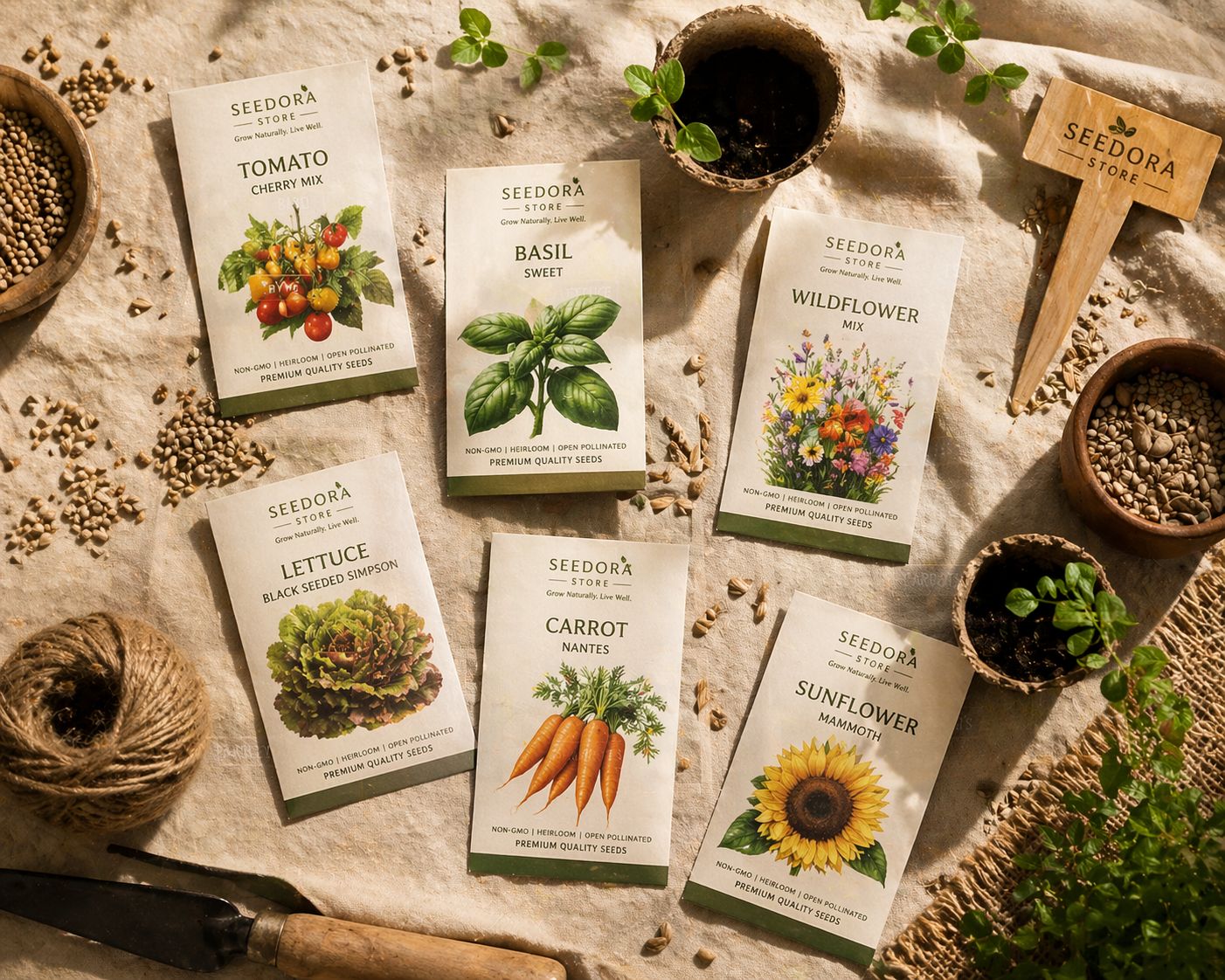
At Seedora Store, we believe every seed is a promise — of flavor, of savings, of independence from industrial food systems.
Our seeds are:
- Open-pollinated & heirloom where possible — so you can save seeds season after season
- Tested for germination — because a seed that doesn't sprout is money wasted
- Curated for home growers — not commercial farms, not monocultures, but real kitchens and real families
Whether you're starting with a single pot of basil on a Karachi balcony, or planning a full kitchen garden in the countryside, Seedora has the seeds — and the knowledge — to help you grow something that gives back.
Final Thought: The Real Return on Investment
The financial case for growing your own food is real and measurable. But there is another kind of return that doesn't appear in spreadsheets.
It is the satisfaction of cutting your own herbs into a dish you cooked. It is the tomato your child picks and eats straight from the vine, warm from the sun. It is the quiet, grounded feeling of knowing where your food comes from — and knowing that you grew it.
That pays for itself in ways money cannot measure.
Ready to start your self-paying garden?
Browse Seedora's seed collections at seedorastore.com — and plant something worth growing.
Tags: #Gardening #GrowYourOwn #HomeGarden #SeedoraStore #KitchenGarden #SustainableLiving #Herbs #GardeningTips #FoodIndependence #Seeds
Published by Seedora Store — Growing Intelligence, One Seed at a Time.